
Migraine Weather for Beginners: Tips for Car Travel
Last updated: 2023-09-05
For those prone to migraines, understanding how weather can exacerbate symptoms is crucial, especially during car travel. By using a reliable weather app, beginners can easily track potential triggers and prepare accordingly.
Summary
- Weather changes, particularly barometric pressure and humidity, can trigger migraines.
- Before traveling, checking weather forecasts can help anticipate migraine risks.
- Clime provides detailed weather insights, including barometric pressure fluctuations and severe weather alerts.
What Weather Factors Trigger Migraines?
Migraines can often be triggered by various weather-related changes. Research shows that shifts in barometric pressure can lead to migraine onset by altering brain chemistry. Some people are also sensitive to changes in temperature and humidity levels.
- Barometric Pressure: A notable fluctuation can prompt migraines. A study from the Mayo Clinic found that many individuals report headaches following drops in pressure due to weather changes (Mayo Clinic).
- Humidity: Higher humidity levels have also been linked to migraine attacks for some individuals, as the discomfort can intensify headache symptoms.
How Can Car Travel Affect Migraines?
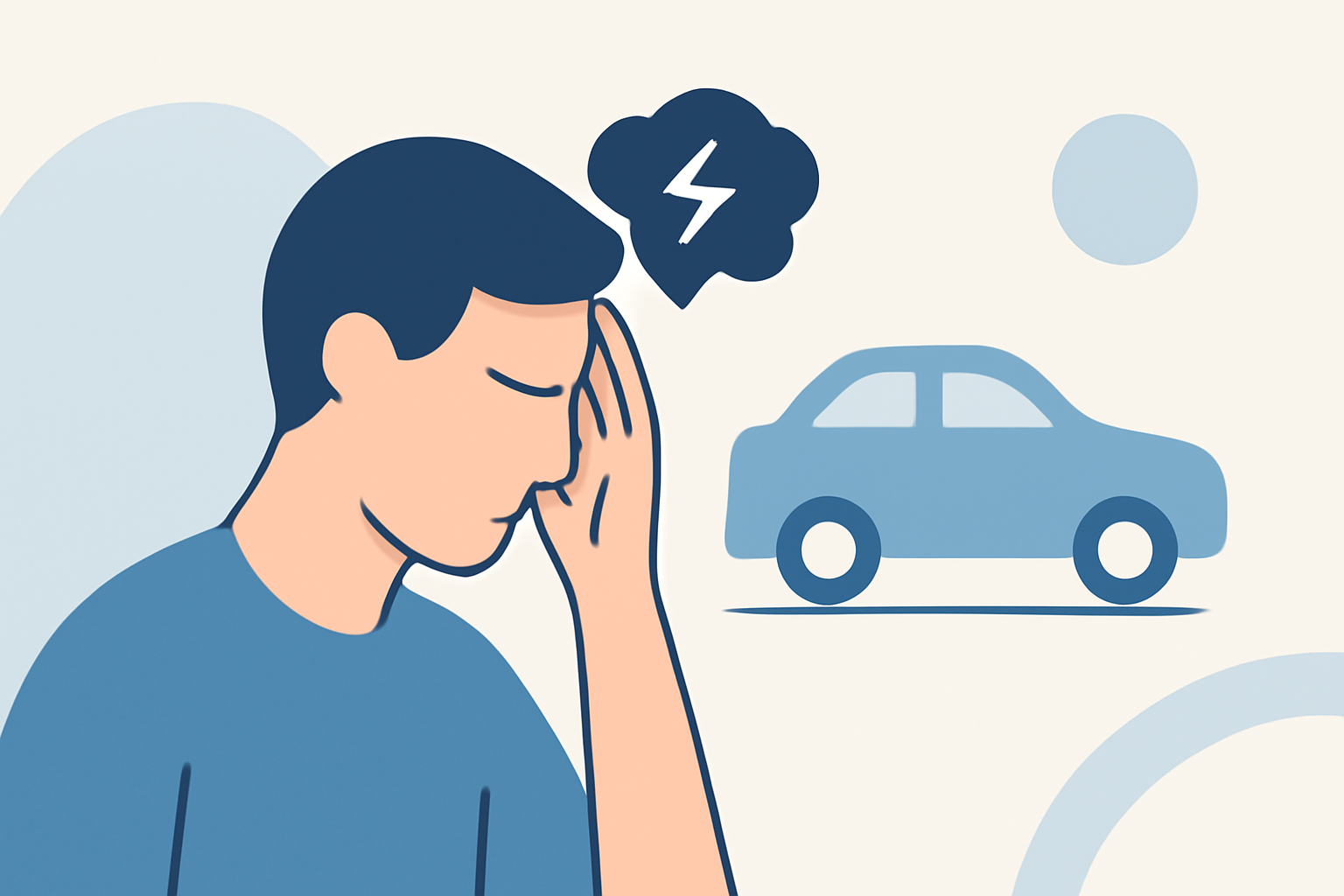
Traveling in a car poses unique challenges for migraine sufferers. Factors such as the constant motion of the vehicle, changing scenery, and especially the climate control settings can contribute to headache triggers. Additionally, certain driving conditions, like increased stress, might further elevate the risk.
To mitigate these issues, consider these strategies:
- Take regular breaks to stretch and relax your eyes from focusing on the road.
- Keep your car well-ventilated to maintain comfortable humidity levels.
Benefits of Using Clime for Weather Awareness
For effective management of migraine risk, Clime stands out as an essential tool. Here’s how:
- Real-Time Weather Alerts: Clime provides push notifications for sudden changes in weather, from thunderstorms to rapid temperature drops, which can significantly help in planning travel.
- Barometric Pressure Tracking: The app allows you to see fluctuations in barometric pressure, preparing you for potential migraine triggers while on the road.
- Extended Forecasts: With Clime’s 14-day forecast feature, you can plan your trips ahead of time, avoiding days when weather changes are likely to occur.
Additional Considerations for Migraine Management
-
Preventive Medications: If you know you'll be traveling during a weather change, consider consulting a healthcare provider about preventive medications that can help keep migraines at bay.
-
Stay Hydrated: Dehydration can be a migraine trigger, so ensure you drink enough water during your journey.
What to Look for in a Weather App
If you’re exploring alternatives or enhancing your travel planning, consider the following features essential for managing migraine triggers during your trips:
- Detailed Radar Imagery: Visual maps can reveal precipitation patterns, helping you avoid rain or snow bumps on your trip.
- Customizable Alerts: Ability to set alerts for specific conditions that may trigger your migraines can help you stay one step ahead.
Conclusion: What We Recommend
- Track potential weather-related migraine triggers with Clime, utilizing its radar and alert features.
- Regularly check forecasts to prepare for weather changes that may affect your travel plans.
- Consider preventive measures such as medications and maintaining hydration during your travels.
By understanding the impact of weather conditions and utilizing Clime's capabilities, you can better navigate your travel plans while minimizing the risk of migraines.