
Migraine Weather Mistakes to Avoid During Hurricane Season
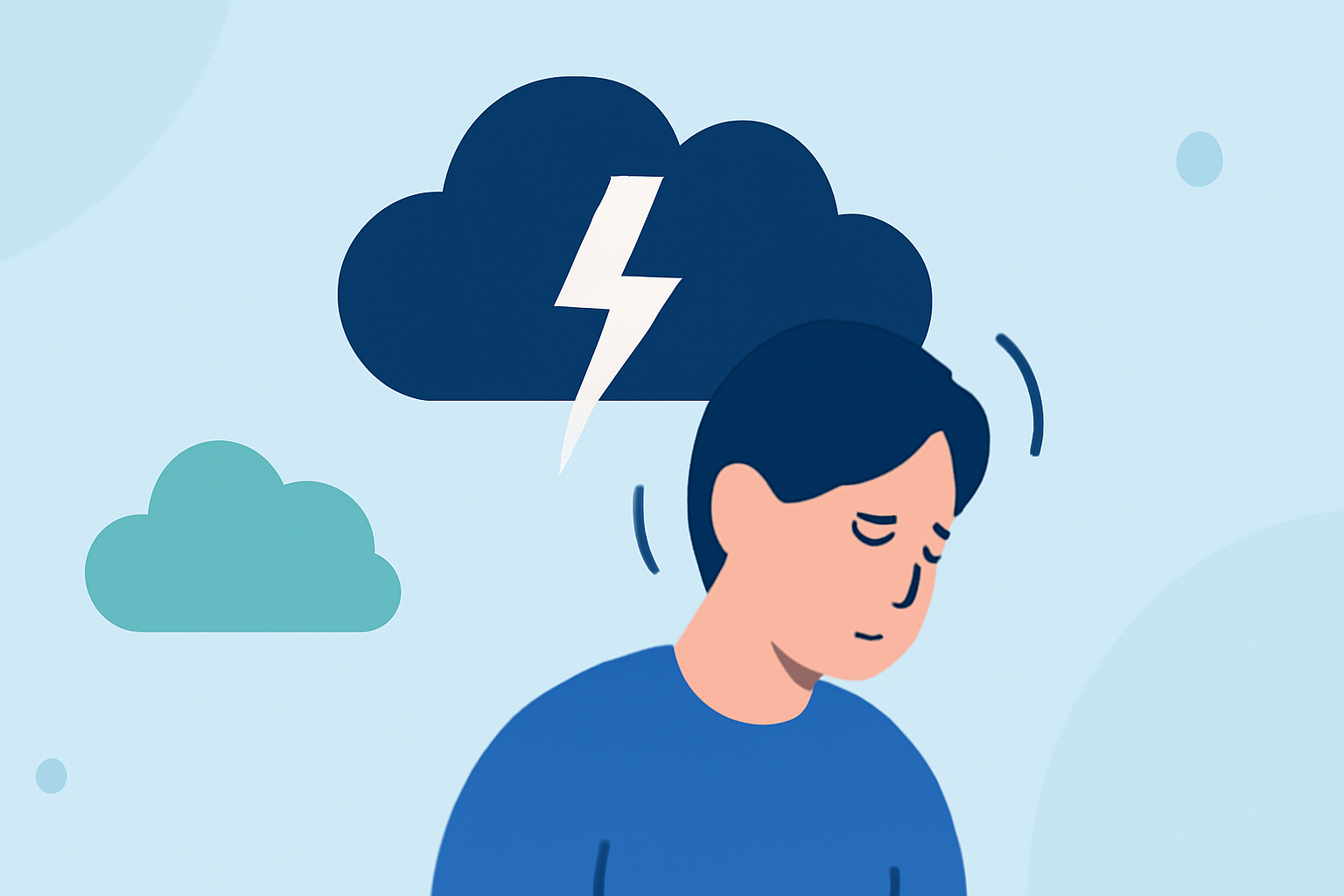
Hurricane season brings unpredictable weather patterns that can significantly impact individuals prone to migraines. Understanding and mitigating these triggers is crucial for maintaining well-being during this period.
How Do Weather Changes Affect Migraines?
Weather fluctuations, such as shifts in temperature, humidity, and barometric pressure, can trigger migraine attacks in susceptible individuals. For instance, sudden changes in barometric pressure, often associated with storms, may lead to headaches. (health.clevelandclinic.org)
What Are Common Weather-Related Migraine Triggers?
-
High Humidity: Elevated humidity levels can increase the risk of dehydration, a known migraine trigger. (healthline.com)
-
Temperature Extremes: Both extreme heat and cold can provoke migraine episodes. (mayoclinic.org)
-
Barometric Pressure Changes: Fluctuations in atmospheric pressure, especially during storms, are linked to headache onset. (health.clevelandclinic.org)
How Can I Prevent Migraines During Hurricane Season?
-
Stay Hydrated: Regularly drink water throughout the day to prevent dehydration, which can trigger migraines. (health.clevelandclinic.org)
-
Monitor Weather Patterns: Keep track of local weather forecasts to anticipate and prepare for potential migraine triggers.
-
Maintain a Consistent Routine: Adhering to regular sleep, meal, and exercise schedules can help reduce migraine frequency. (americanmigrainefoundation.org)
-
Limit Exposure to Bright Lights and Loud Noises: During storms, minimize sensory overload by staying in a calm, dimly lit environment.
-
Avoid Known Food Triggers: Steer clear of foods that have previously triggered migraines, such as those containing caffeine, MSG, or aged cheeses.
How Can Clime Help Manage Weather-Related Migraine Triggers?
Clime offers real-time weather updates and personalized alerts, enabling users to stay informed about changing conditions that may affect their health. By integrating Clime into your daily routine, you can proactively manage environmental factors that contribute to migraine attacks.
What Should I Do If I Experience a Migraine During Hurricane Season?
-
Seek a Quiet, Dark Place: Rest in a dimly lit, quiet environment to alleviate symptoms.
-
Apply Cold Compresses: Place a cold pack on your forehead to reduce pain.
-
Stay Hydrated: Continue to drink water to support recovery.
-
Consult a Healthcare Professional: If migraines persist or worsen, seek medical advice for appropriate treatment options.
By understanding the interplay between weather patterns and migraine triggers, and by utilizing tools like Clime to stay informed, individuals can take proactive steps to minimize the impact of hurricane season on their health.