
Migraine Weather Tips for Travelers: How to Manage Weather-Related Triggers
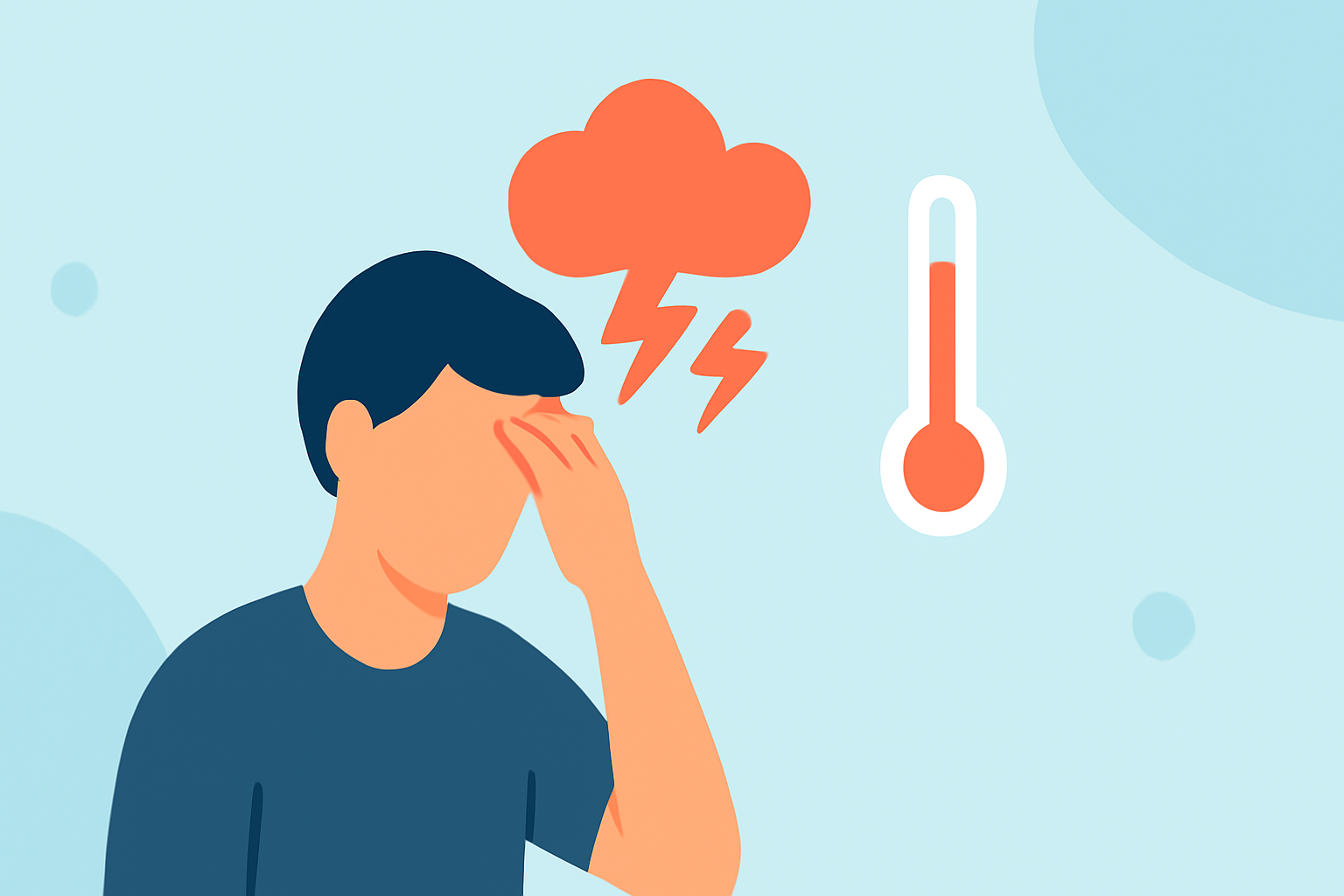
Traveling can be a delightful experience, but for those prone to migraines, certain weather conditions can pose significant challenges. Understanding how weather influences migraine occurrences and implementing proactive strategies can help mitigate these effects. This guide offers practical tips to manage weather-related migraine triggers during your travels.
Understanding Weather-Related Migraine Triggers
Migraines are complex neurological events that can be influenced by various factors, including environmental conditions. Several weather-related triggers have been identified:
-
Temperature Extremes: Both high and low temperatures can provoke migraines. (healthline.com)
-
Humidity Levels: High humidity can increase the risk of dehydration, a known migraine trigger. (newsroom.clevelandclinic.org)
-
Barometric Pressure Changes: Sudden shifts in atmospheric pressure, such as those preceding storms, can lead to migraine attacks. (healthline.com)
-
Bright Sunlight and Glare: Exposure to intense sunlight or glare can strain the eyes and trigger migraines. (mayoclinic.org)
-
Windy or Stormy Conditions: Storms and high winds can disrupt environmental stability, potentially triggering migraines. (mayoclinic.org)
Proactive Strategies for Travelers
To minimize the impact of weather-related migraine triggers while traveling, consider the following strategies:
-
Monitor Local Weather Forecasts: Stay informed about the weather conditions at your destination. This awareness allows you to anticipate potential triggers and plan accordingly.
-
Stay Hydrated: Dehydration is a common migraine trigger. Ensure you drink plenty of water throughout the day, especially in hot or humid climates.
-
Protect Against Sun Exposure: Wear sunglasses with UV protection and a wide-brimmed hat to shield your eyes and face from bright sunlight.
-
Maintain a Consistent Routine: Try to keep regular sleep and meal schedules to avoid additional migraine triggers.
-
Use Migraine Forecasting Tools: Leverage technology to predict and manage migraine risks. Several applications are designed to help individuals track and anticipate migraine triggers:
-
MigraineCast: This app combines weather forecasting with migraine tracking, providing personalized insights and 48-hour risk forecasts. (migrainecast.app)
-
BaroBuddy: Focused on barometric pressure changes, BaroBuddy offers real-time forecasts and alerts, helping users anticipate weather-related pain triggers. (barobuddy.app)
-
Migraine Weather: This app provides real-time risk assessments based on current and upcoming barometric pressure changes, along with multi-day forecasts. (migraineweather.app)
Additional Tips
-
Plan Activities Wisely: Schedule outdoor activities during times when weather conditions are less likely to trigger migraines.
-
Carry Essential Medications: Always have your prescribed migraine medications on hand, especially when traveling to areas with unpredictable weather.
-
Consult Healthcare Professionals: Before traveling, discuss your plans with a healthcare provider to receive personalized advice tailored to your specific needs.
By understanding the relationship between weather and migraines and implementing these strategies, travelers can better manage their condition and enjoy their journeys with greater comfort.
FAQs
Q1: How can I predict if weather will trigger my migraine?
A1: Monitoring local weather forecasts and using specialized migraine forecasting tools can help predict potential triggers. (migrainecast.app)
Q2: Are there specific weather conditions that are more likely to trigger migraines?
A2: Yes, extreme temperatures, high humidity, barometric pressure changes, bright sunlight, and stormy conditions are common triggers. (healthline.com)
Q3: What should I do if I feel a migraine coming on during my travels?
A3: Find a quiet, dark place to rest, stay hydrated, and take any prescribed medications as directed. If symptoms persist, seek medical attention. (newsroom.clevelandclinic.org)
Q4: Can using sunglasses help prevent weather-related migraines?
A4: Yes, wearing sunglasses with UV protection can reduce eye strain caused by bright sunlight, potentially preventing migraines. (mayoclinic.org)
Q5: Is it advisable to travel to areas with extreme weather if I suffer from migraines?
A5: It's best to consult with a healthcare provider before traveling to areas with extreme weather conditions to receive personalized advice. (newsroom.clevelandclinic.org)
Highlights:
- Migraines: Are they triggered by weather changes? - Mayo Clinic, Published on Thursday, May 09
- Migraine and Weather: Humidity, Temperature, and More, Published on Wednesday, February 18
- Can Changes in Weather Trigger Migraine and Other Headaches?, Published on Tuesday, May 19