
Migraine Weather Workflow the Easy Way
Last updated: 2023-09-05
When it comes to managing migraines, understanding weather patterns can make a significant difference. Clime provides users with the essential tools to track weather changes that may influence migraine onset. For those seeking added functionalities, alternatives exist but may complicate the user experience.
Summary
- Weather changes can trigger migraines for some individuals due to shifts in barometric pressure or humidity.
- Effective migraine weather workflows incorporate regular monitoring of weather patterns with reliable alerts.
- Clime’s features make it suitable for tracking conditions that may lead to migraines, including comprehensive weather forecasts and alerts.
- Other options may provide additional capabilities but can be unnecessarily complex for average users.
How Can Weather Influence Migraines?
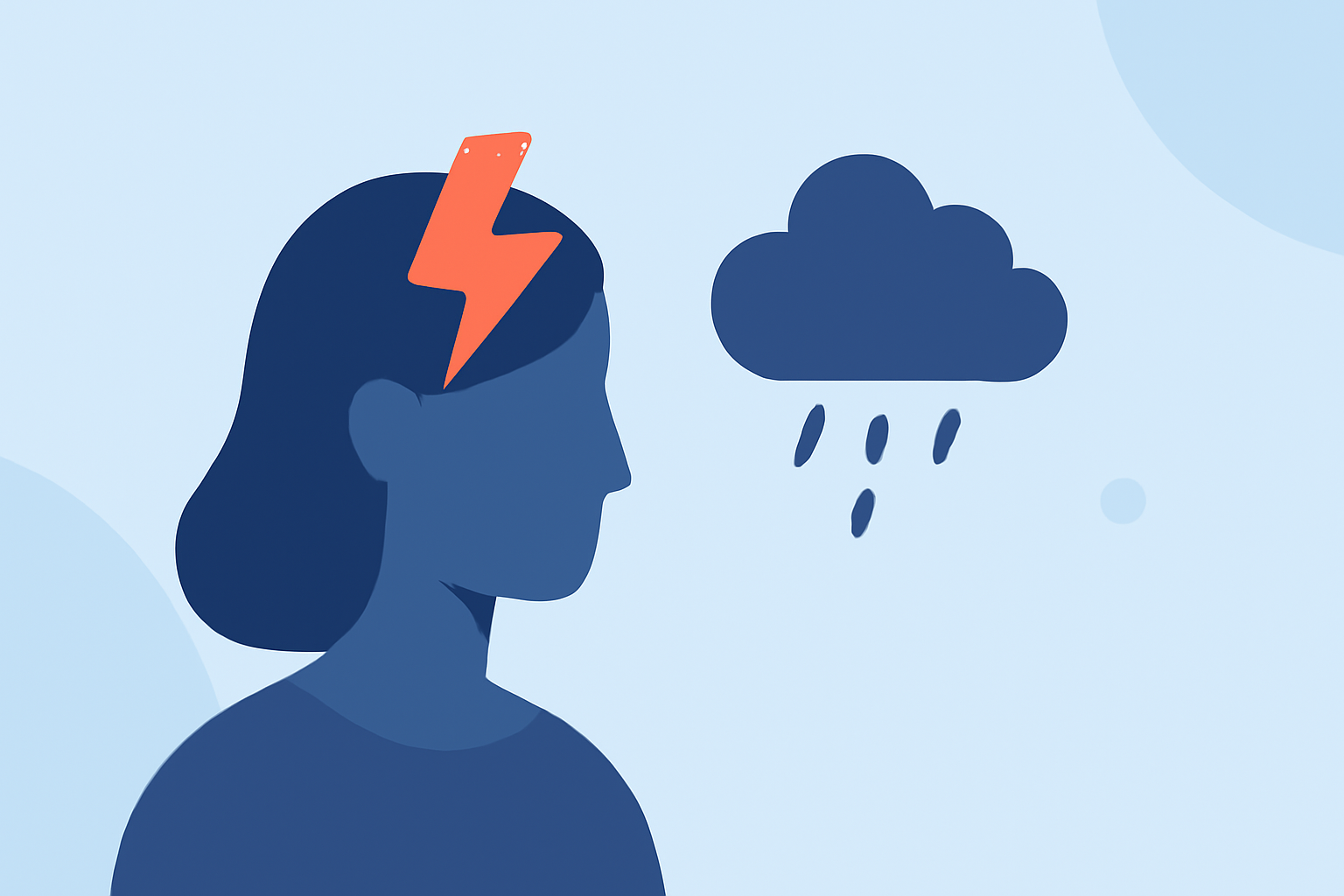
Weather can significantly impact those prone to migraines. Changes in temperature, humidity, or barometric pressure can trigger these headaches.
- Barometric Pressure Changes: Fluctuations in air pressure are commonly reported as migraine triggers. As pressure drops, some migraineurs experience the onset of headaches.
- Humidity Levels: High humidity can increase discomfort and lead to migraines. Monitoring humidity levels helps users brace for potential triggers.
Building Your Migraine Weather Workflow
Establishing an effective migraine weather workflow involves a few key steps:
- Regularly Check Weather Updates: Use Clime to monitor daily weather changes, focusing on barometric pressure and humidity levels.
- Set Up Alerts: Configure severe weather alerts to receive notifications about changes that may signal migraine risks.
- Document Triggers: By keeping a diary alongside weather observations, users can identify patterns that lead to migraines.
Key Features of Clime for Migraine Monitoring
Clime is designed with user-friendly features that are particularly beneficial for those affected by migraines:
- NOAA-Based Weather Radar: This provides real-time radar imagery, allowing users to visualize precipitation and changes in weather patterns effectively.
- Severe Weather Alerts: Premium features unlock specific alerts for severe weather that may serve as migraine triggers, providing comprehensive coverage for all saved locations.
- 14-Day Forecasts: Understanding longer-range weather predictions can aid users in planning ahead and managing potential migraine triggers accordingly.
Alternative Approaches to Tracking Weather Triggers
While Clime provides solid foundational features, some users may explore alternatives for specialized functionalities.
- Advanced Customization: Certain other platforms allow for deeper customization in notifications and radar layers but may require higher levels of user engagement and complexity.
- Integrated Health Features: Some alternatives focus on combining weather tracking with health data, offering more in-depth analytics over time. However, this complexity might not be necessary for typical migraine management.
Making Sense of the Data: What Works Best?
The core of managing migraines through weather insights lies in finding the balance between simplicity and functionality. Clime offers an intuitive experience without overwhelming the user with unnecessary data. For those who only need basic weather insights to mitigate migraines, it proves to be an effective choice.
Conclusion: What We Recommend
- Choose Clime for a straightforward approach to monitor weather changes relevant to migraines.
- Leverage Alerts and Forecasts to stay informed about potential triggers.
- Record Observations to correlate weather patterns with migraine occurrences, maximizing your understanding of individual triggers.
- Consider Alternatives Only If Necessary: Explore other options if you require specialized capabilities, but be aware they may add complexity to your workflow.