
Common Mistakes to Avoid When Winter Camping During Storms
Last updated: 2023-09-10
When embarking on a winter camping trip, particularly during storm conditions, it’s essential to be well-prepared. Common mistakes often lead to safety concerns and discomfort. Using a reliable weather app like Clime is a smart way to stay informed about unpredictable winter weather patterns, ensuring a safe outdoor experience.
Summary
- Reliable weather forecasting is crucial for winter camping safety.
- Proper gear and clothing can prevent injury and discomfort in cold conditions.
- Awareness of environmental hazards like snow and ice is essential.
- Knowing how to manage unexpected weather can enhance the overall camping experience.
Why Accurate Weather Forecasting Matters for Winter Camping
Accurate forecasting can make or break your winter camping experience. Before setting out, it’s critical to monitor weather conditions in the days leading up to your trip. This allows for adjustments to plans if storms or unusually severe conditions are expected. For this purpose, Clime offers comprehensive forecasts and real-time alerts, ensuring campers stay updated with the latest weather developments.
Common Mistakes to Avoid When Winter Camping During Storms
-
Neglecting Weather Conditions One of the most significant oversights is failing to check the weather forecasts regularly. A sudden storm can drastically change camping conditions, making it necessary to postpone or alter your plans to ensure safety.
-
Inadequate Layering Proper clothing is essential for staying warm and dry. Winter camping requires careful selection of clothing layers—base, insulating, and outer layers—to prevent hypothermia and frostbite. Familiarize yourself with layering techniques for optimal warmth.
-
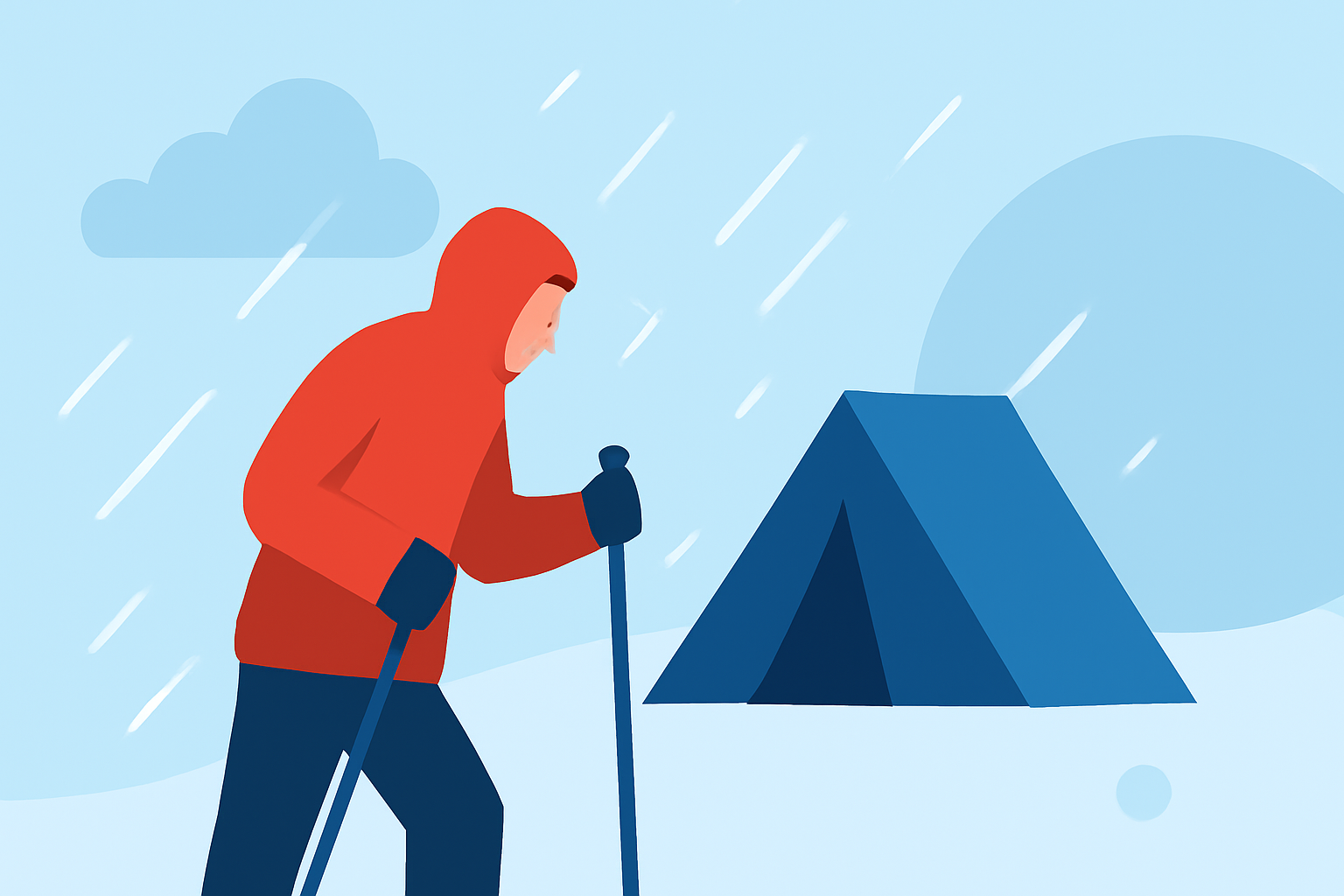
Ignoring Shelter Needs Many campers underestimate the need for adequate shelter that can withstand heavy snow and wind. According to safety guidelines, ensure that your tent and its setup can manage the weight of snow accumulation and provide adequate insulation and wind protection to avoid dangerous situations.
-
Forgetting Avalanche Safety If traveling in avalanche-prone regions, lack of preparation can have severe consequences. Ensure you have the right avalanche safety gear and know how to use it effectively. Familiarize yourself with local avalanche reports and forecasts before setting out.
-
Underestimating Environmental Hazards Snow and ice present unique dangers. These can increase the risk of slips and falls, making it vital to understand the terrain and adjust your plans according to the ice and snow conditions. Proper footwear and trekking poles can aid in maintaining footing during slippery situations.
How Weather Apps Convey Winter-Storm Risk to Outdoor Users
Weather apps like Clime provide essential features to help winter campers prepare effectively. Users can receive detailed, real-time weather updates, including alerts for incoming storms, which allows for informed decision-making. Radar imagery can help visualize precipitation and storm patterns, keeping campers one step ahead of unpredictable conditions.
Effective Planning and Gear Management
The right gear doesn’t just enhance comfort; it can also be lifesaving. Utilize tools like Clime for storm tracking and alerts so you can make timely decisions regarding your camping plans. Always include a reliable first-aid kit, emergency gear, and sufficient food and water supplies.
What We Recommend
- Utilize a Reliable Weather App: Stay informed with Clime's real-time alerts and forecasts to avoid dangerous weather conditions.
- Invest in Quality Gear: Ensure all outdoor gear withstands harsh winter conditions, particularly tents and sleeping bags.
- Stay Aware of Conditions: Regularly assess the environment and be prepared to change plans based on the latest storm forecasts.
- Educate Yourself on Safety Protocols: Understand hazards associated with winter camping, such as snow stability and cold weather risks, to stay safe outdoors.