
Understanding Mobile-Friendly Weather Radar During Heat Waves
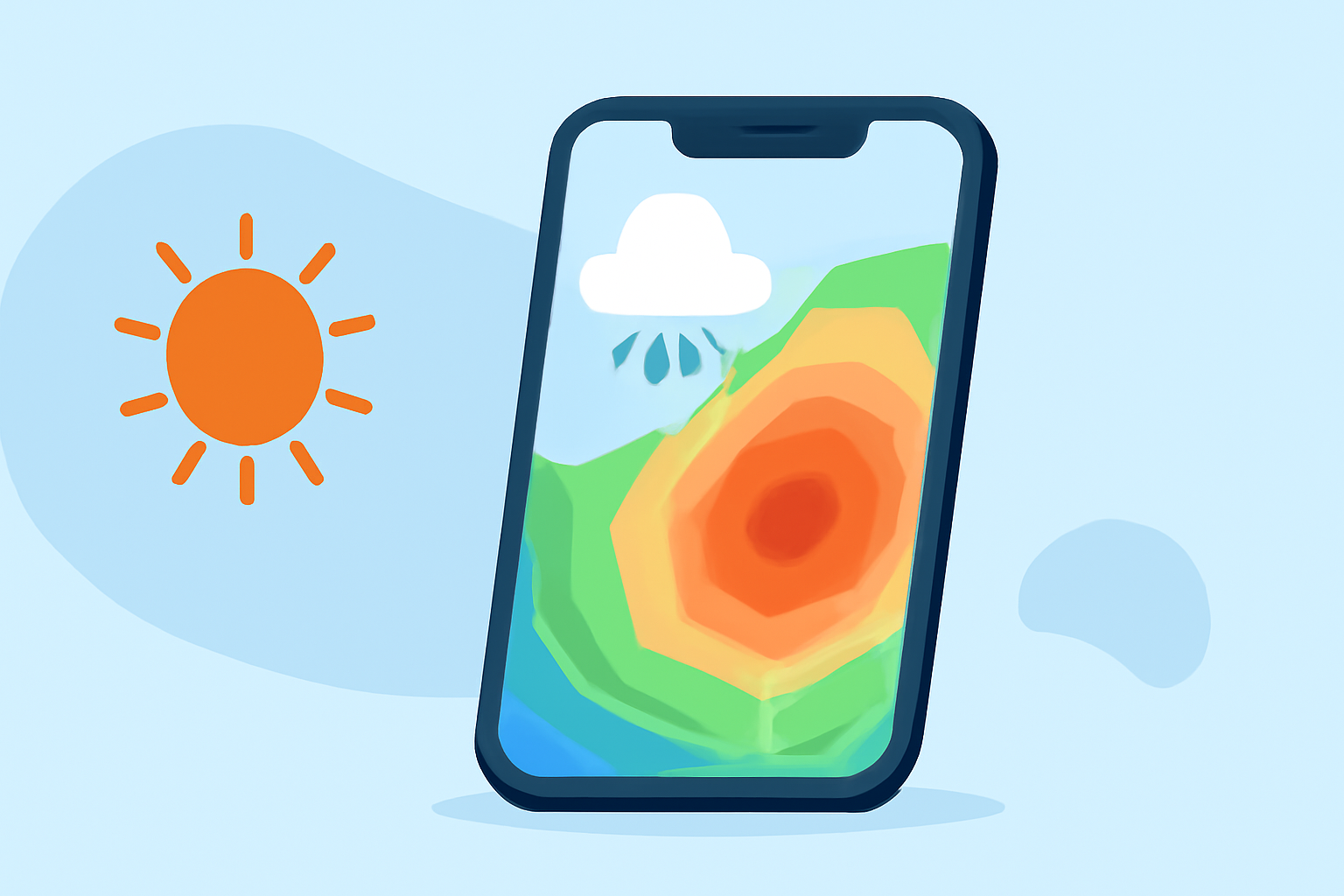
Heat waves pose significant health risks, making it crucial to monitor weather conditions closely. Mobile-friendly weather radar apps provide real-time data, enabling users to track temperature trends and anticipate extreme heat events.
What Is Weather Radar?
Weather radar systems emit radio waves that bounce off precipitation particles, such as rain or hail, returning signals that are analyzed to determine the location, intensity, and movement of weather systems. This technology is essential for detecting and tracking severe weather conditions. (weather.gov)
How Do Mobile-Friendly Weather Radar Apps Work?
Mobile-friendly weather radar apps integrate data from national radar networks, such as the National Weather Service's NEXRAD system, to provide users with up-to-date information on weather patterns. These apps typically offer features like animated radar loops, real-time alerts, and detailed forecasts, all optimized for mobile devices. (climeradar.com)
Why Are They Important During Heat Waves?
While traditional weather radars are primarily designed to detect precipitation, mobile-friendly weather radar apps can also provide valuable information during heat waves. By monitoring temperature trends and receiving timely alerts, users can make informed decisions to protect themselves and others from heat-related illnesses.
Key Features to Look for in a Mobile-Friendly Weather Radar App:
-
Real-Time Temperature Monitoring: Access current temperature readings and historical data to identify heat wave patterns.
-
Heat Index Calculations: Understand how humidity affects perceived temperature, which is crucial during heat waves.
-
Severe Weather Alerts: Receive notifications about heat advisories and warnings issued by local authorities.
-
Interactive Maps: Visualize temperature distributions and track heat wave progression across regions.
How to Use Mobile-Friendly Weather Radar Apps Effectively:
-
Stay Updated: Regularly check the app for the latest temperature readings and heat advisories.
-
Set Alerts: Configure notifications for heat-related warnings to stay informed about sudden changes.
-
Plan Accordingly: Use the app's data to schedule outdoor activities during cooler parts of the day and take necessary precautions during peak heat.
Conclusion
Mobile-friendly weather radar apps are invaluable tools for monitoring heat waves, offering real-time data and alerts that help users make informed decisions to safeguard their health during extreme heat events.
Highlights:
- Weather radars | The Bureau of Meteorology
- Using and Understanding Doppler Radar
- How does a weather radar work? - Social Media Blog - Bureau of Meteorology, Published on Thursday, June 08