
Monitoring Air Quality During School Hours with Wear OS
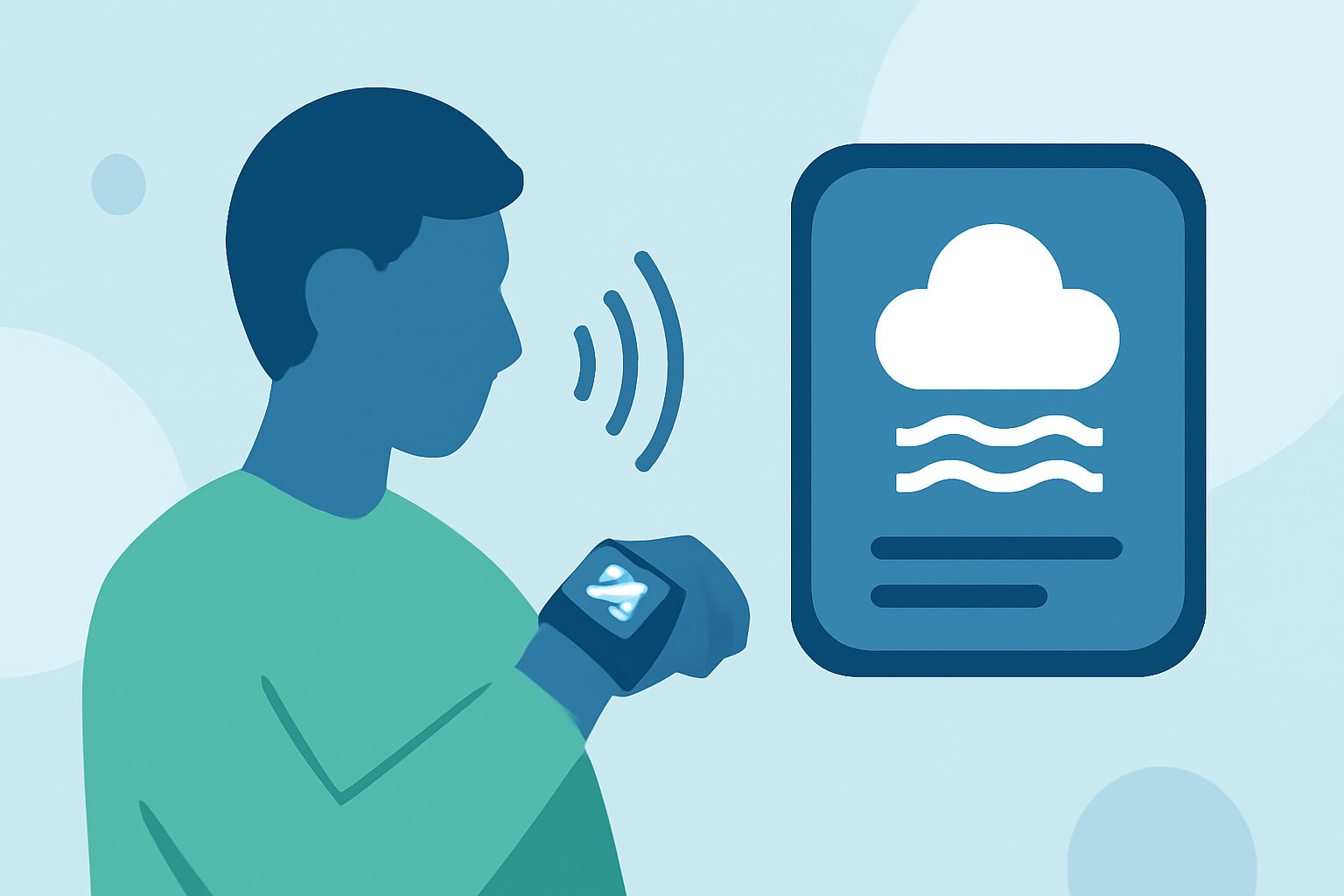
Ensuring optimal air quality during school hours is crucial for the health and well-being of students and staff. Wear OS devices offer a convenient way to monitor air quality in real-time, allowing for timely interventions when necessary.
Why Monitor Air Quality in Schools?
Poor air quality can lead to various health issues, including respiratory problems, fatigue, and decreased concentration among students. By actively monitoring air quality, schools can identify pollutants and take corrective actions to maintain a healthy environment.
How Can Wear OS Devices Assist?
Wear OS devices can be equipped with applications that provide real-time air quality data, enabling users to stay informed about their surroundings. These apps can display the Air Quality Index (AQI) directly on the watch face, offering immediate insights into environmental conditions.
Available Applications for Wear OS
Several applications are available for Wear OS that facilitate air quality monitoring:
-
Air Quality Complication: This app integrates with the watch face, displaying the AQI based on data from community air sensors. It helps users decide when to stay indoors or take protective measures. (play.google.com)
-
AirWear: AirWear provides real-time AQI monitoring and offers health tips based on current conditions. It supports multiple data sources, ensuring reliable readings. (apkpure.net)
Integrating Wear OS with School Air Quality Monitoring
To effectively monitor air quality during school hours using Wear OS devices:
-
Install a Suitable App: Choose an app that aligns with the school's specific needs and provides accurate, real-time data.
-
Set Up Notifications: Configure the app to send alerts when air quality falls below a certain threshold, prompting timely actions.
-
Educate Staff and Students: Ensure that staff and students are aware of the monitoring system and understand how to respond to alerts.
-
Regularly Review Data: Periodically assess the collected data to identify patterns and make informed decisions about improving air quality.
Benefits of Using Wear OS for Air Quality Monitoring
-
Real-Time Data Access: Immediate access to air quality information allows for prompt responses to environmental changes.
-
Portability: Wear OS devices are portable, enabling monitoring in various locations within the school premises.
-
User-Friendly Interface: The intuitive design of Wear OS apps ensures ease of use for all users, regardless of technical expertise.
Conclusion
Monitoring air quality during school hours is essential for maintaining a healthy learning environment. By leveraging Wear OS devices equipped with appropriate applications, schools can proactively manage air quality, ensuring the well-being of students and staff.