
Monitoring Air Quality Index on Wear OS: A Comprehensive Guide
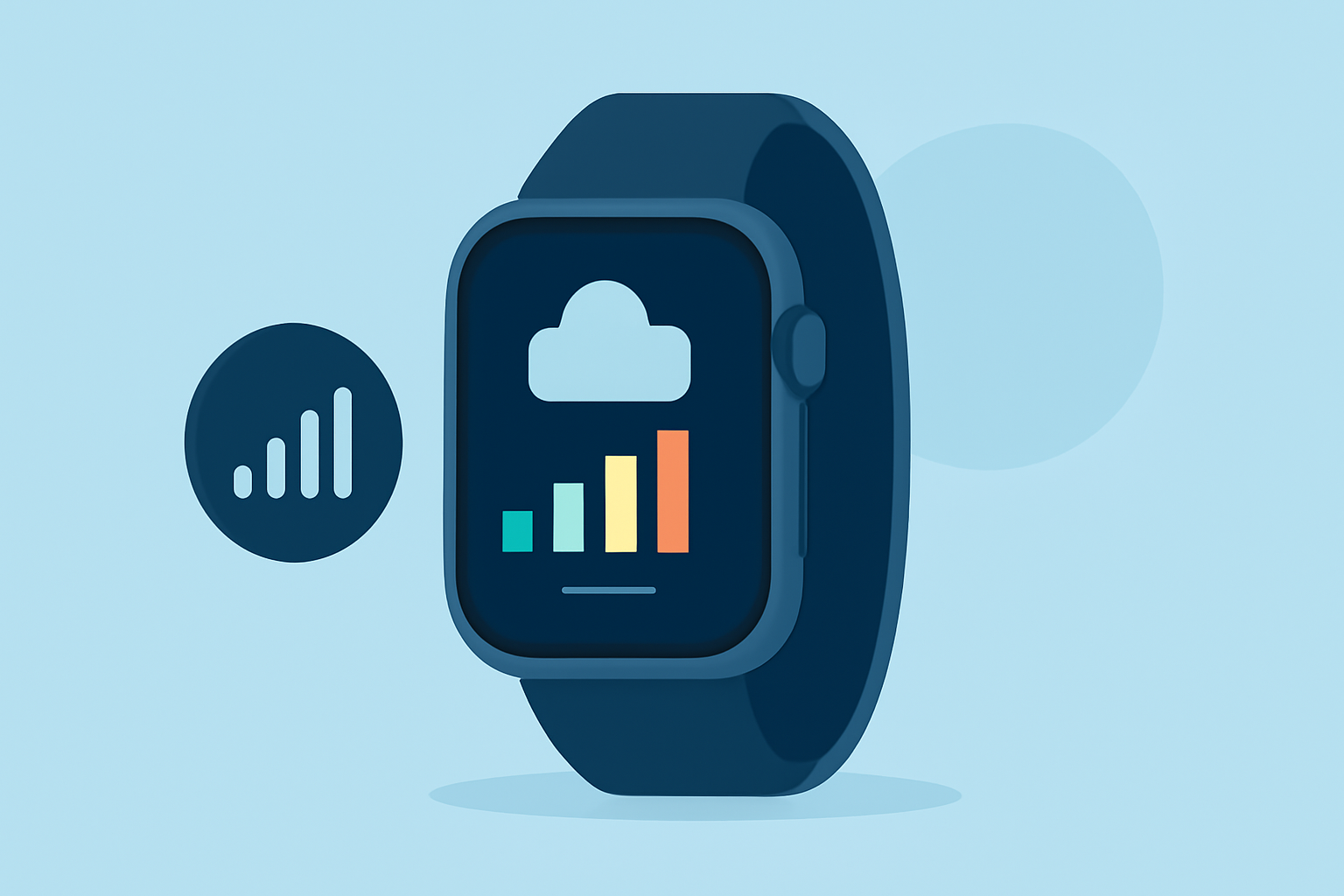
Monitoring the Air Quality Index (AQI) on your Wear OS device is essential for staying informed about local air conditions and safeguarding your health. The AQI measures the concentration of pollutants in the air, providing a clear indication of air quality. By integrating AQI monitoring into your Wear OS device, you can receive real-time updates and make informed decisions about outdoor activities.
Understanding the Air Quality Index (AQI)
The AQI is a scale used to rate the quality of the air, ranging from 0 to 500, with higher values indicating worse air quality. In the United States, the AQI is defined by the Environmental Protection Agency (EPA) and is color-coded to represent different levels of health concern:
- 0 to 50 (Good): Air quality is satisfactory, and air pollution poses little or no risk.
- 51 to 100 (Moderate): Air quality is acceptable; however, there may be a moderate health concern for a very small number of people sensitive to air pollution.
- 101 to 150 (Unhealthy for Sensitive Groups): Members of sensitive groups may experience health effects; the general public is less likely to be affected.
- 151 to 200 (Unhealthy): Everyone may begin to experience health effects; members of sensitive groups may experience more serious health effects.
- 201 to 300 (Very Unhealthy): Health alert: everyone may experience more serious health effects.
- 301 to 500 (Hazardous): Health warning of emergency conditions; the entire population is more likely to be affected.
Understanding these levels can help you take appropriate actions to minimize exposure to harmful pollutants.
Monitoring AQI on Wear OS Devices
Integrating AQI monitoring into your Wear OS device allows for real-time updates on air quality, enabling you to make informed decisions about outdoor activities. Here are some methods to monitor AQI on your Wear OS device:
- Using Built-in Weather Apps:
Many Wear OS devices come equipped with built-in weather applications that display AQI information. To access AQI data:
- Open the weather app on your Wear OS device.
- Navigate to the air quality section to view the current AQI and associated health recommendations.
This method provides a quick overview of the air quality in your area.
- Adding AQI Complications to Watch Faces:
Enhance your watch face by adding an AQI complication for immediate access to air quality information:
- Press and hold the watch face on your Wear OS device.
- Select 'Customize' and choose a complication slot.
- Scroll through the available complications and select the AQI option.
- Save the changes to update your watch face.
This setup allows you to view the AQI at a glance without navigating through apps.
- Installing Third-Party AQI Apps:
For more detailed AQI information, consider installing third-party applications designed for Wear OS:
- AirWear: This app provides real-time AQI monitoring and can be added as a complication on your watch face.
- Air Quality Complication: This app offers AQI data from community air sensors and can be added as a complication on your watch face.
These apps offer additional features such as forecasts and health recommendations based on current air quality levels.
Benefits of Monitoring AQI on Wear OS
Integrating AQI monitoring into your Wear OS device offers several advantages:
- Real-Time Updates: Receive immediate notifications about changes in air quality, allowing you to adjust your activities accordingly.
- Health Awareness: Stay informed about potential health risks associated with poor air quality, especially if you have respiratory conditions.
- Convenience: Access AQI information directly from your wrist without the need to pull out your smartphone.
Conclusion
Monitoring the Air Quality Index on your Wear OS device is a proactive step toward maintaining your health and well-being. By utilizing built-in weather apps, adding AQI complications to your watch face, or installing dedicated AQI applications, you can stay informed about local air conditions and make decisions that protect your health.
Remember, staying informed about air quality is especially important during events like wildfires or high pollen seasons, as these can significantly impact air quality and health.
By integrating AQI monitoring into your daily routine, you can ensure that you are always aware of the air you breathe and take necessary precautions when needed.
For more information on AQI and its implications, you can refer to resources provided by the Environmental Protection Agency (EPA).