
Monitoring Drought Conditions on Wear OS: A Comprehensive Guide
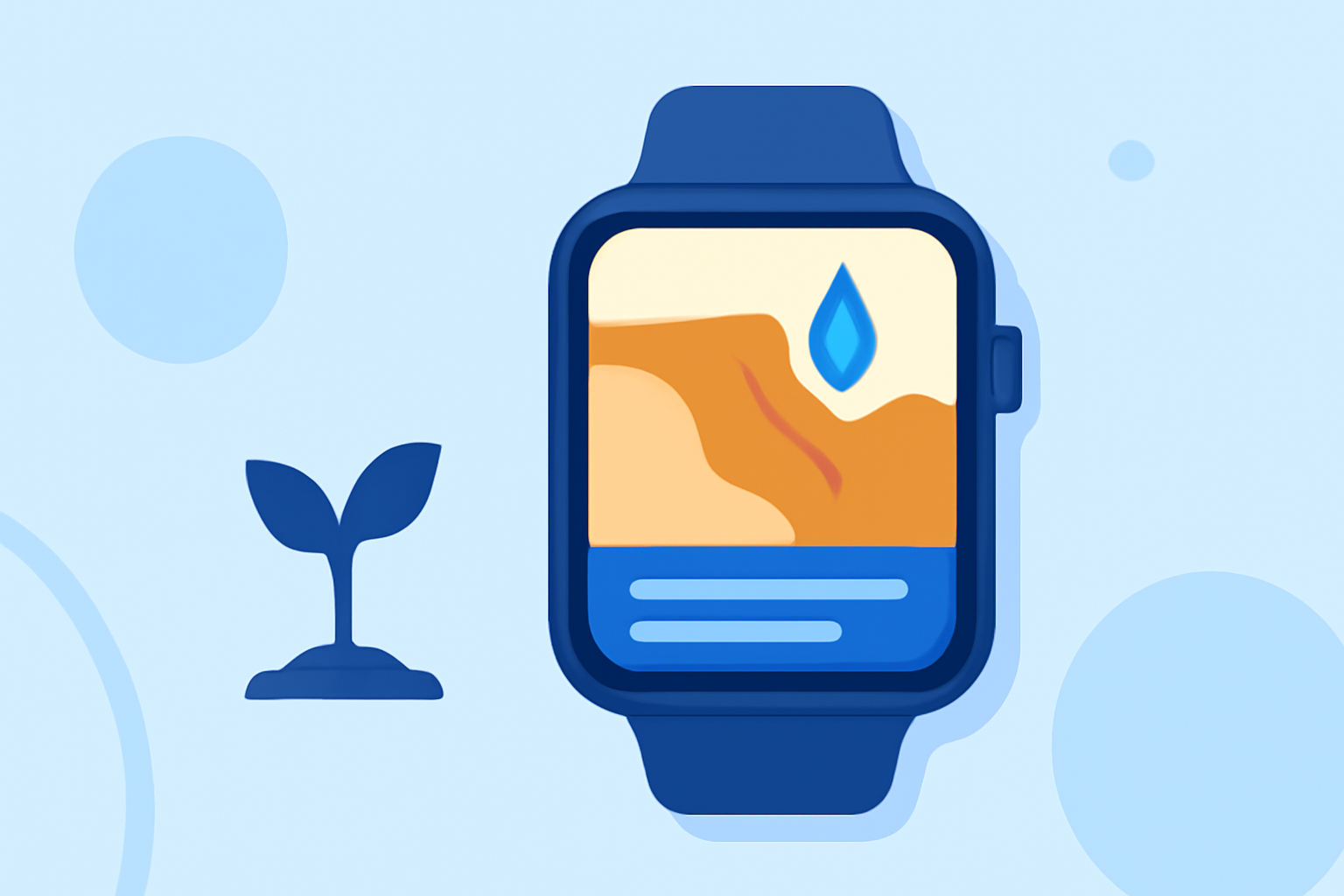
Monitoring drought conditions is crucial for effective water resource management and environmental conservation. With the advancement of wearable technology, particularly Wear OS devices, accessing real-time data on drought conditions has become more convenient. This guide explores how to utilize Wear OS for drought monitoring, highlighting key features and applications that enhance this capability.
Understanding Drought Monitoring Needs
Drought monitoring involves tracking various environmental parameters, including precipitation levels, soil moisture, and temperature fluctuations. Wear OS devices, equipped with sensors and connectivity features, can provide timely updates on these factors, aiding in proactive decision-making.
Key Features for Drought Monitoring on Wear OS
-
Real-Time Weather Updates: Accessing current weather conditions and forecasts is essential for assessing drought risks. Wear OS devices can display up-to-date information on temperature, humidity, and precipitation.
-
Satellite Imagery Access: Satellite data offers valuable insights into soil moisture and vegetation health. Some Wear OS applications integrate satellite imagery to provide comprehensive drought assessments.
-
Hydration Monitoring: While primarily designed for personal health, hydration apps on Wear OS can indirectly reflect environmental conditions. For instance, a decrease in water intake reminders may indicate increased temperatures or arid conditions.
Utilizing Wear OS Applications for Drought Monitoring
Several applications available on Wear OS can assist in monitoring drought conditions:
-
Climate Engine: This platform empowers users to analyze decades of Earth observation data, including satellite imagery and climate reanalyses, to assess environmental conditions. While primarily web-based, its data can be accessed via Wear OS devices through compatible applications. (climateengine.org)
-
RiverFox - Irrigation Planning: Designed for agricultural purposes, this app provides irrigation recommendations based on satellite images and weather stations, helping users manage water resources effectively. Its mobile version can be accessed on Wear OS devices for on-the-go monitoring. (play.google.com)
Integrating Wear OS with Environmental Data Sources
To enhance drought monitoring capabilities, integrating Wear OS devices with environmental data sources is beneficial:
-
Weather Stations: Connecting to local weather stations can provide hyper-local data on precipitation and temperature, which is crucial for accurate drought assessments.
-
Satellite Data: Utilizing satellite data through applications like Climate Engine allows for comprehensive monitoring of drought indicators such as soil moisture and vegetation health.
Best Practices for Effective Drought Monitoring on Wear OS
-
Regular Data Syncing: Ensure that your Wear OS device is regularly synced with environmental data sources to receive the most current information.
-
Customize Notifications: Set up alerts for specific drought indicators, such as significant drops in soil moisture or unusual temperature spikes, to stay informed promptly.
-
Combine Multiple Data Sources: Relying on a single data source may not provide a complete picture. Combining data from weather stations, satellite imagery, and local observations can lead to more accurate drought assessments.
Conclusion
Wear OS devices, with their real-time data access and connectivity features, offer a valuable tool for monitoring drought conditions. By leveraging specialized applications and integrating with environmental data sources, users can stay informed and take proactive measures to address drought challenges.
Highlights:
- Wear OS 7 is here with better battery life and a massive smart home upgrade, Published on Tuesday, June 16
- Google is phasing out the Wear OS Weather app, but for something better, Published on Friday, September 12
- Google Weather is broken on older Wear OS watches, but a fix is coming, Published on Friday, December 12