
Monitoring Harmful Algal Blooms: Essential Tools and Practices for iPhone Users
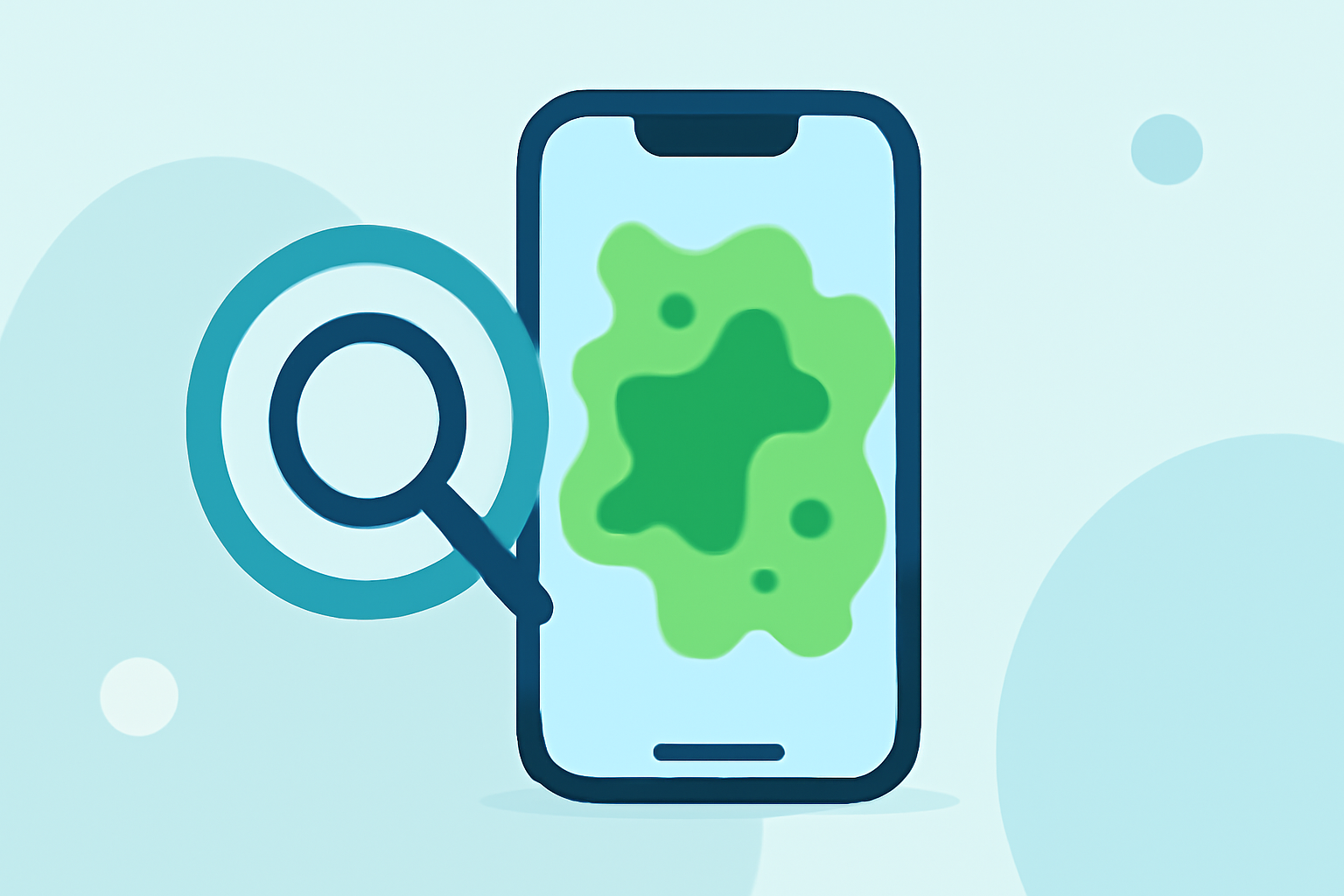
Harmful Algal Blooms (HABs) are rapid increases in algae populations that can produce toxins harmful to humans, animals, and the environment. Monitoring these blooms is crucial for ensuring water safety, especially during recreational activities. With the prevalence of HABs in various water bodies, having reliable tools to track their occurrence is essential.
Understanding Harmful Algal Blooms
HABs can manifest as discolored water, often appearing green, blue, red, or brown, and may have a paint-like appearance or form floating mats and scums. These blooms can produce toxins that pose health risks to humans and animals. (www3.erie.gov)
Utilizing iPhone Applications for HAB Monitoring
Several iPhone applications are designed to assist users in monitoring and reporting HABs:
-
CyanoLakes: This app provides near real-time forecasts and satellite imagery to help users avoid potentially toxic cyanobacterial and harmful algal blooms. It offers daily updates on blue-green algal risks tailored for recreational water use. (apps.apple.com)
-
bloomWatch: Developed by the United States Environmental Protection Agency (EPA), bloomWatch allows users to track and document the occurrence of potentially harmful algal blooms. By contributing data, users help scientists and public health officials monitor and manage water resources effectively. (apps.apple.com)
Best Practices for Monitoring and Responding to HABs
-
Check for Advisories: Before engaging in activities like swimming, fishing, or boating, consult local or state advisories for information on HABs in the area. These advisories are often available on government websites or posted near water bodies. (cdc.gov)
-
Recognize Signs of HABs: Be vigilant for water that appears discolored, has a foul odor, or shows signs of scum or foam. Avoid contact with water exhibiting these characteristics. (cdc.gov)
-
Report Observations: Use applications like bloomWatch to report suspected HABs. Your contributions assist in tracking and managing these events, aiding public health and environmental protection efforts. (apps.apple.com)
-
Stay Informed: Regularly update your iPhone applications to receive the latest information and forecasts related to HABs. This ensures you have access to current data for making informed decisions.
Conclusion
Monitoring Harmful Algal Blooms is vital for protecting public health and the environment. By leveraging iPhone applications like CyanoLakes and bloomWatch, and adhering to best practices, individuals can stay informed and make safer choices when engaging with water bodies.