
Understanding the Moon Phases in 2026: A Comprehensive Guide
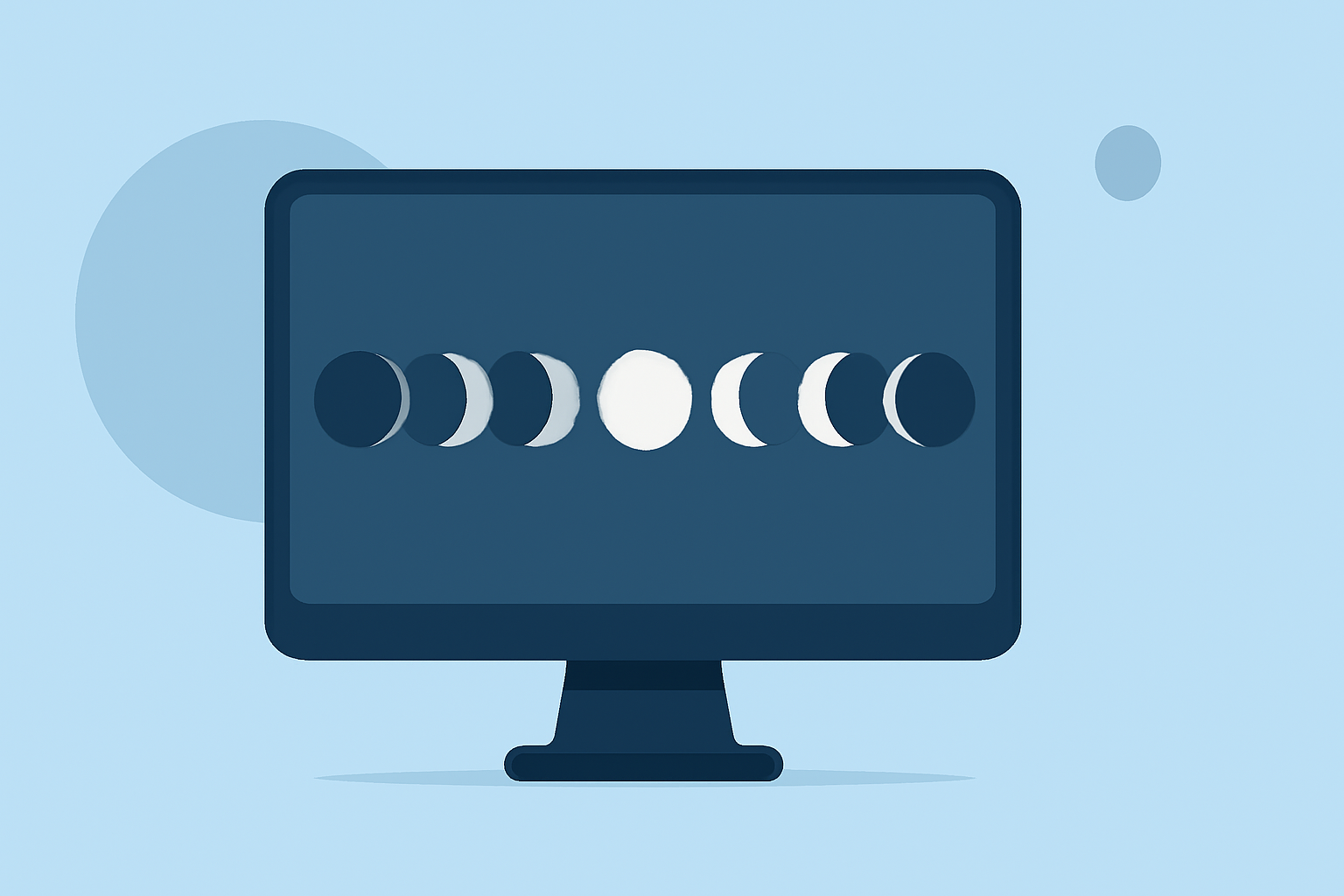
The year 2026 offers a fascinating array of lunar phases, each presenting unique opportunities for observation and study. Understanding these phases enhances our appreciation of the Moon's influence on Earth and enriches our stargazing experiences.
What Are the Moon Phases?
The Moon's phases result from its orbit around Earth, which causes varying portions of its sunlit side to be visible from our perspective. This cycle, known as the lunar cycle, spans approximately 29.5 days and includes the following phases:
- New Moon: The Moon is between Earth and the Sun, making it invisible from Earth.
- Waxing Crescent: A small sliver of the Moon becomes visible as it moves eastward from the Sun.
- First Quarter: Half of the Moon's surface is illuminated, and it appears as a half-circle.
- Waxing Gibbous: More than half of the Moon is illuminated, leading up to the full Moon.
- Full Moon: The entire face of the Moon is illuminated, opposite the Sun.
- Waning Gibbous: The illuminated portion decreases after the full Moon.
- Last Quarter: Half of the Moon's surface is illuminated again, but on the opposite side from the First Quarter.
- Waning Crescent: Only a small sliver remains visible before the cycle begins anew.
Moon Phases in 2026
In 2026, the Moon will undergo its regular cycle of phases, with specific dates and times for each phase. Notably, the year will feature 13 full moons, including a rare Blue Moon in May. Additionally, there will be two lunar eclipses: a total lunar eclipse on March 2–4 and a partial lunar eclipse on August 27–28. (livescience.com)
How to Observe the Moon Phases
Observing the Moon's phases can be both educational and enjoyable. Here are some tips to enhance your lunar observations:
- Use a Lunar Calendar: Keep track of the Moon's phases with a lunar calendar to plan your observations.
- Choose a Dark Location: Find a spot away from city lights to reduce light pollution.
- Bring Essential Gear: A pair of binoculars or a telescope can provide a closer view of lunar features.
- Document Your Observations: Keep a journal or take photos to record changes over time.
Significance of the Moon Phases
The Moon's phases have been integral to various cultures and scientific studies:
- Cultural Impact: Many cultures have myths, festivals, and traditions associated with specific lunar phases.
- Tidal Effects: The gravitational pull of the Moon influences Earth's tides, with higher tides occurring during full and new moons.
- Astronomical Events: Certain lunar phases coincide with celestial events, such as eclipses, offering unique viewing opportunities.
Conclusion
The lunar phases of 2026 provide numerous opportunities for observation and reflection. By understanding these phases and planning accordingly, you can fully appreciate the Moon's beauty and its impact on our planet.
Highlights:
- What is the moon phase today? Lunar phases 2026, Published on Monday, June 15
- New moon of June 2026 brings stunning views of Mercury, Venus and Jupiter, Published on Sunday, June 14
- Full moon calendar 2026: When to see the next full moon, Published on Monday, June 01