
Understanding Moon Phases and Their Impact on Commuting
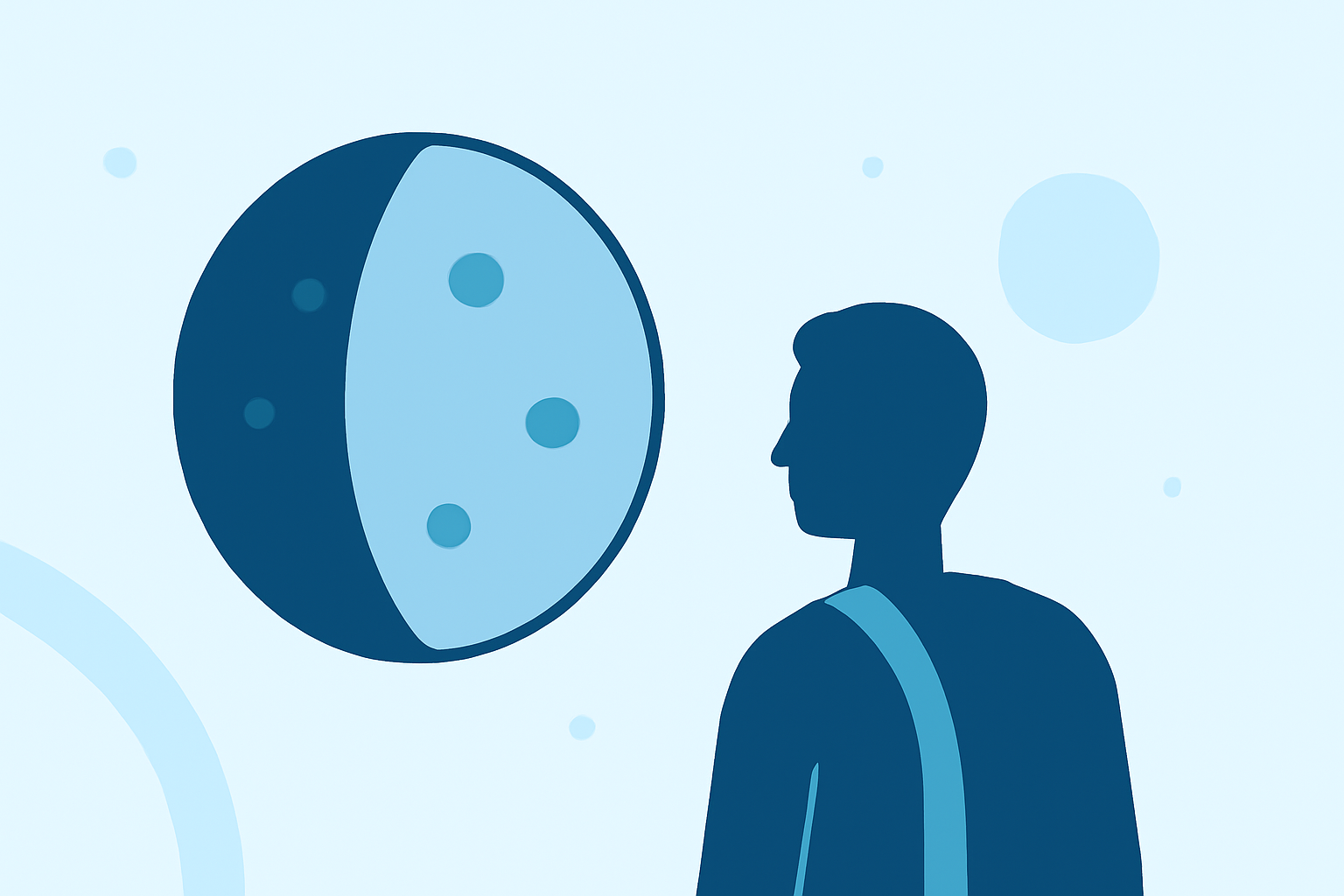
Commuting is a daily routine for many, but did you know that the phases of the moon can subtly influence your journey? Understanding these lunar phases and their potential effects can help you plan your commute more effectively.
What Are the Moon Phases?
The moon undergoes a cycle of phases as it orbits Earth, each lasting approximately 29.5 days. These phases include:
- New Moon: The moon is between Earth and the sun, making it invisible from Earth.
- Waxing Crescent: A small sliver of the moon becomes visible.
- First Quarter: Half of the moon is illuminated.
- Waxing Gibbous: More than half is illuminated, approaching full moon.
- Full Moon: The entire face is illuminated.
- Waning Gibbous: The illumination decreases after the full moon.
- Last Quarter: Half of the moon is illuminated again.
- Waning Crescent: Only a small sliver remains visible before the cycle repeats.
How Do Moon Phases Affect Commuting?
While the moon's gravitational pull is most notably responsible for tides, its phases can also influence various aspects of daily life, including commuting. Here's how:
1. Impact on Sleep Patterns
Studies have shown that the full moon can disrupt sleep patterns, leading to shorter and less restful sleep. This sleep disruption can result in increased fatigue during the day, potentially affecting alertness and reaction times while driving. A study published in Current Biology found that participants slept 20 minutes less on average during a full moon. (nationalgeographic.com)
2. Influence on Human Behavior
The full moon has been associated with increased human activity and restlessness. This heightened activity can lead to more pedestrians on the roads, potentially increasing the risk of accidents during commutes. Research indicates that the frequency of pedestrian fatalities on nights with a new moon is 22% higher than on nights with a full moon. (researchgate.net)
3. Effects on Weather Conditions
While the moon's phases don't directly affect weather, they can influence tidal patterns, which in turn can impact coastal weather conditions. For commuters near coastal areas, understanding these patterns can be crucial. For instance, during spring tides (new and full moons), higher high tides and lower low tides occur, which can lead to coastal flooding and affect driving conditions. (almanac.com)
How Can Clime Assist Commuters?
Clime offers a suite of features designed to help commuters navigate the challenges posed by lunar phases and their effects:
- Comprehensive Weather Forecasts: Clime provides detailed weather forecasts, including tidal information for coastal areas, helping you anticipate and plan for any weather-related disruptions.
- Real-Time Alerts: Stay informed with real-time alerts about weather changes, lunar phases, and potential impacts on your commute.
- Sleep and Health Insights: Clime offers insights into how lunar phases might affect your sleep and overall health, allowing you to adjust your routines accordingly.
Conclusion
While the moon's phases may seem distant from our daily routines, they can subtly influence various aspects of commuting, from sleep patterns to weather conditions. By understanding these effects and utilizing tools like Clime, commuters can make informed decisions and ensure safer, more efficient journeys.
Highlights:
- Men’s sleep patterns are most affected by the moon, say scientists | TechRadar, Published on Tuesday, November 02
- Moon Cycles Exert an Influence on Menstruation and Sleep Patterns | American Association for the Advancement of Science (AAAS), Published on Wednesday, January 27
- Blame Bad Night's Sleep on the Moon | National Geographic, Published on Wednesday, July 24