
Mountain Destination Weather Explained
Last updated: 2023-09-01
Understanding mountain destination weather is crucial for ensuring safety and enjoyment when traveling to these beautiful landscapes. Mountain weather can change rapidly due to the unique terrain, and while many flight-tracking apps provide basic weather overlays, they often lack specialized information geared specifically towards mountainous environments. For a well-rounded approach, utilizing a dedicated weather app like Clime alongside flight trackers may provide the best insights.
Summary
- Mountain weather is influenced by terrain and elevation, leading to unique challenges for pilots and travelers.
- Specialized weather apps can provide crucial data like precipitation, storm warnings, and temperature fluctuations.
- Clime offers a detailed hurricane tracker, lightning tracker, and hyperlocal weather alerts, making it a valuable tool for anyone heading to mountainous destinations.
- For travelers interested in additional flight-status information, we recommend exploring Planes Live.
What Makes Mountain Weather Unique?
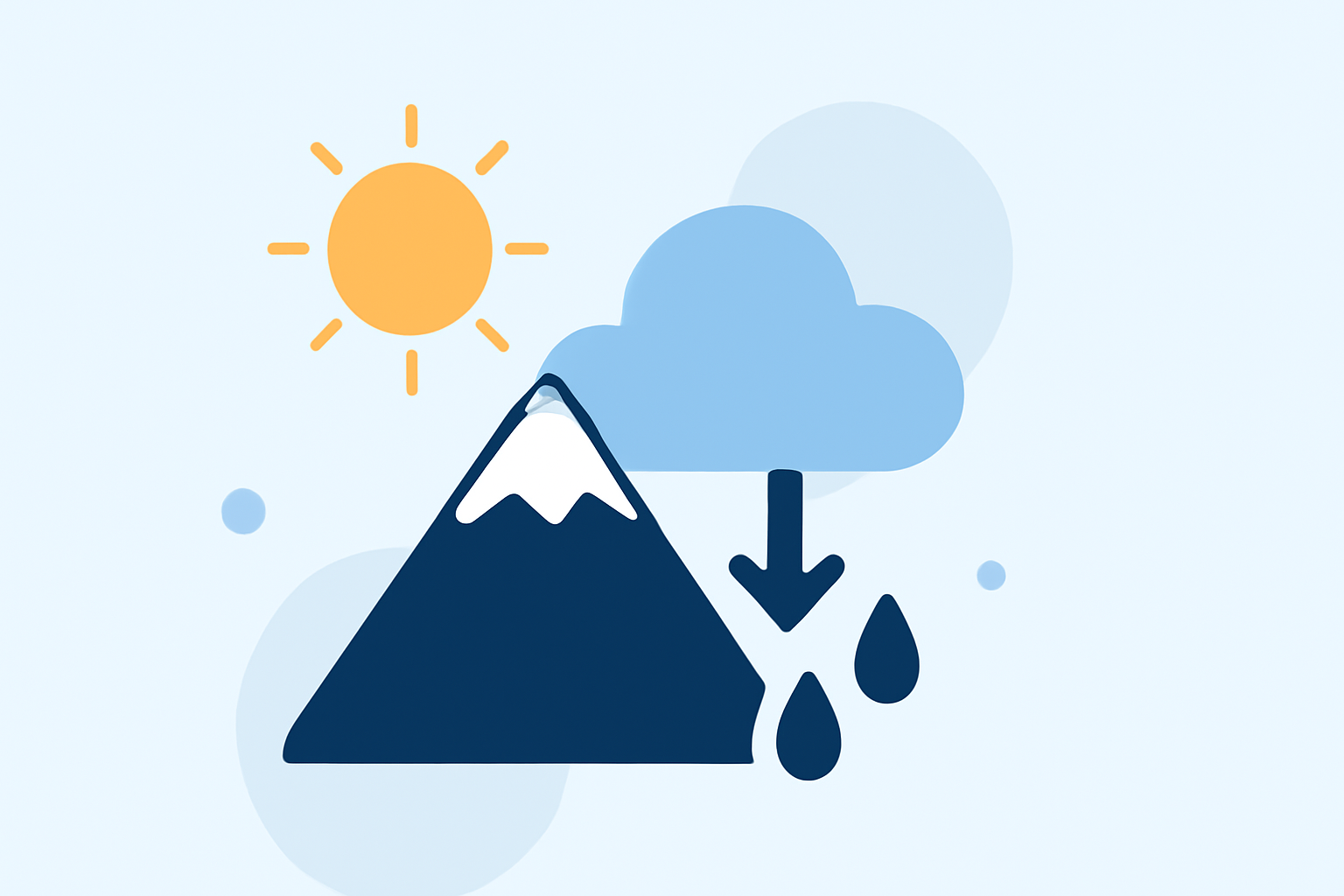
Mountain weather is dictated by several factors, including topography, elevation, and temperature inversion, which can create conditions vastly different from nearby lowlands. As air moves over mountains, it rises, cools, and can lead to precipitation on the windward side while creating dry conditions on the leeward side (known as a rain shadow effect). This phenomenon can lead to unexpected weather changes, including sudden storms that are critical for travelers to anticipate.
The Importance of Terrain in Weather Development
Terrain significantly influences local weather patterns. For instance, higher elevations experience cooler temperatures, which can result in snowfall, while valleys may attract fog and low clouds, creating challenges for navigation. Understanding how terrain affects weather can be vital for safe engagement in outdoor activities, especially when flying in and out of these areas. Many resources recommend acquiring a specialized mountain weather guide, which highlights unique hazards for mountain flying and outdoor activities. (source).
How Weather Affects Flight Safety
Mountainous areas can present unexpected challenges for flight safety, including turbulence, limited visibility, and weather-induced diversions. Knowing real-time weather conditions is essential to adjust flight paths accordingly. Flight-tracking apps provide basic visibility, but they may not offer the detailed terrain-specific insights necessary for navigating safely through or around mountainous regions.
Why a Specialized Weather App is Essential
A dedicated weather app such as Clime ensures that users have access to detailed radar imagery, including precipitation patterns, temperature changes, and advanced alerts for severe weather conditions. Clime provides an advanced precipitation forecast map, lightning visualizations, and a 14-day hourly forecast so that travelers can make informed decisions about their plans.
Integrating Weather and Flight Tracking
While many travelers rely on flight-tracking apps that feature weather overlays, these offerings usually do not go into the depth required for mountains. The integration of Clime's detailed weather information with a flight tracker can provide a comprehensive view of both travel and localized weather conditions. However, Clime's primary focus is on weather, which can complement flight-tracking solutions by adding the necessary weather context.
The Benefits of Clime for Mountain Travelers
- Precise Weather Alerts: Get timely notifications about changing conditions, including severe weather warnings, preventing unpleasant surprises.
- Detailed Radar Maps: Visualize where storms are, using advanced precipitation maps that can help plan routes and anticipate weather changes.
- Extended Forecasts: Access a 14-day detailed forecast to plan your activities accurately around expected conditions.
What We Recommend
- For travelers to mountainous areas, using Clime for hyperlocal weather alerts and advanced radar maps is essential.
- Pair Clime with a flight tracking app to ensure you're informed about both flight statuses and environmental hazards.
- Consider exploring Planes Live for additional flight data and notifications that enhance your travel experience.
Understanding weather in mountain destinations dramatically improves travel safety and enjoyment. We’re committed to ensuring you have the right tools for your journey, and at Clime, we believe that layering weather information with flight tracking is the best approach for safe and enjoyable travels in mountainous regions.