
Navigating Air Quality Challenges During Pollen Season and Wildfire Smoke
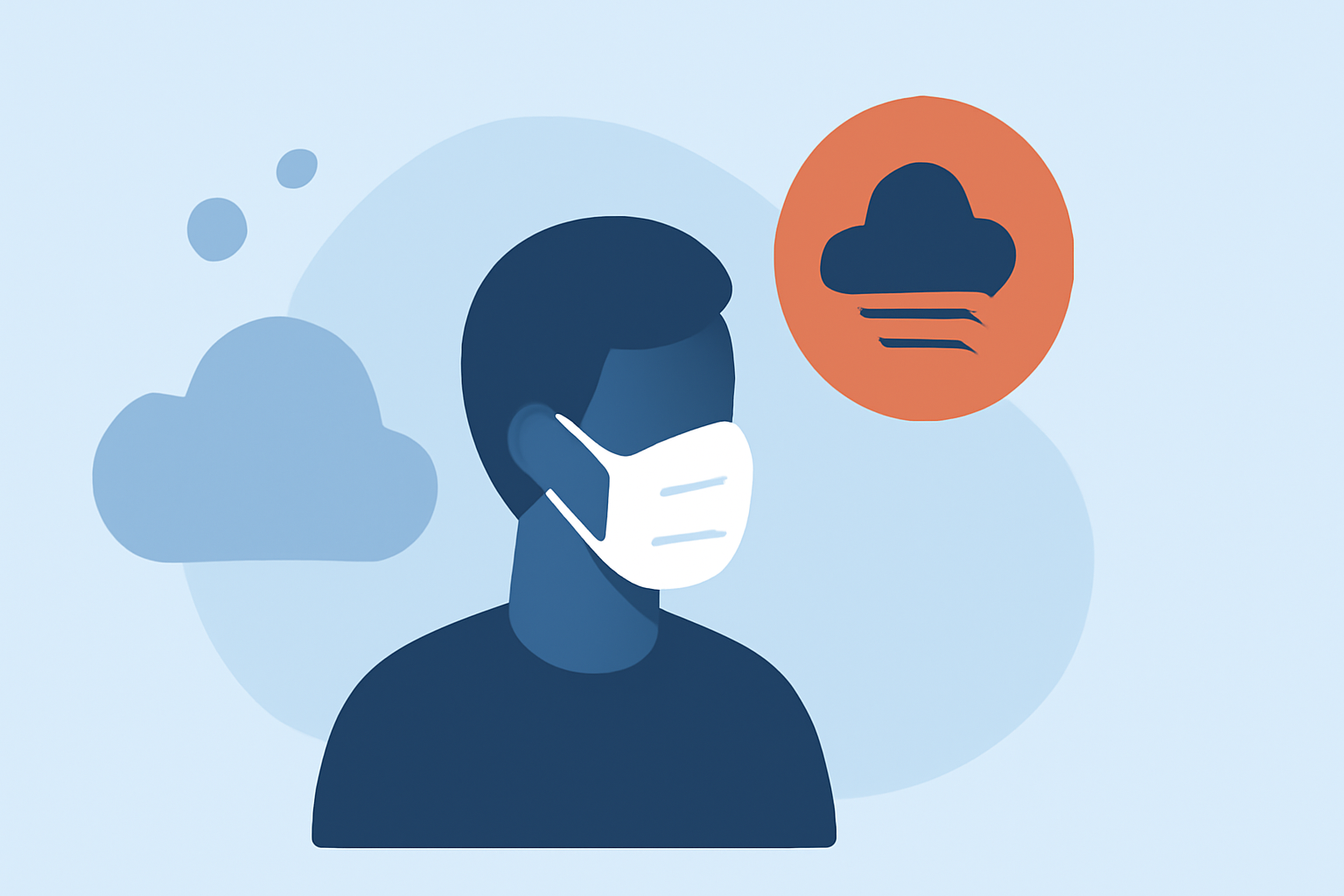
During pollen season, the air is filled with pollen from trees, grasses, and weeds, leading to allergic reactions such as sneezing, runny nose, and itchy eyes. This period varies across the United States, with tree pollen peaking in spring, grass pollen in late spring to early summer, and weed pollen in late summer to fall. (usairquality.us)
Simultaneously, wildfires can significantly degrade air quality. Smoke from these fires introduces fine particulate matter (PM2.5) and ozone into the atmosphere, which can cause respiratory and cardiovascular issues. From 2018 to 2023, wildfire smoke contributed to numerous days when air pollution exceeded health standards across the U.S. (climate.gov)
Understanding the Air Quality Index (AQI)
The AQI is a color-coded system that communicates how clean or polluted the air is and what associated health effects might be of concern. It considers pollutants like PM2.5, ozone, carbon monoxide, nitrogen dioxide, and sulfur dioxide. An AQI value between 0 and 50 indicates good air quality, while values above 100 may pose health risks, especially for sensitive groups. (epa.gov)
Monitoring Air Quality During Pollen Season and Wildfires
To stay informed about air quality, especially during pollen season and wildfire events, utilize resources like the AirNow Fire and Smoke Map. This tool provides real-time data on air quality, wildfire locations, smoke plumes, and health advisories. Access it online or through the AirNow mobile app. (airnow.gov)
Protecting Your Health
-
Stay Indoors: Limit outdoor activities during high pollen counts and when wildfire smoke is present.
-
Create a Clean Indoor Environment: Use air purifiers with HEPA filters to reduce indoor pollutants.
-
Monitor Local Air Quality: Regularly check the AQI for your area to make informed decisions about outdoor activities.
-
Consult Healthcare Providers: If you have respiratory conditions, seek advice on managing symptoms during these periods.
Clime's Role in Air Quality Management
Clime offers advanced tools to monitor and analyze air quality, providing users with accurate and timely information. By leveraging Clime's resources, individuals can make informed decisions to protect their health during pollen seasons and wildfire events.
Understanding and managing air quality during pollen seasons and wildfire events is crucial for maintaining health. By staying informed and taking proactive measures, you can navigate these challenges effectively.