
Navigating Air Quality Concerns: Wildfire Smoke and Commuter Safety
Last updated: 2023-09-07
Understanding air quality during wildfire smoke events is crucial for commuters. It’s essential to know which Air Quality Index (AQI) levels are unsafe and how to minimize exposure, particularly while commuting.
Summary
- Wildfire smoke primarily impacts health by raising PM2.5 levels in the air, which can affect breathing.
- The AQI provides a clear color-coded system to gauge whether the air quality is healthy or hazardous.
- Precautions such as using recirculate settings in vehicles can significantly reduce smoke exposure during commutes.
- Tools like Clime can help monitor real-time air quality and provide critical updates regarding wildfire smoke conditions.
What AQI levels should commuters use to decide when to skip walking or biking in wildfire smoke?
The AQI categorizes air quality on a scale from 0 to 500, where levels above 100 indicate increasing health concerns. The color-coded system helps commuters quickly determine when to limit outdoor activities.
- AQI levels that fall within the range of 101-150 are classified as "Unhealthy for Sensitive Groups." Those with respiratory issues should avoid strenuous outdoor activities during these levels.
- Above 150, categorized as "Unhealthy," everyone should reduce prolonged or heavy exertion outdoors, meaning walking or biking to work may not be advisable. (Source)
How can commuters reduce wildfire smoke exposure in cars, buses, and trains?
Commuters can take practical steps to limit their exposure to wildfire smoke while using vehicles or public transport.
- In Vehicles: Set your air ventilation to recirculate to avoid drawing smoke-laden outdoor air into the cabin. This simple adjustment can make a significant difference in air quality inside the vehicle. (Source)
- Public Transit: If possible, wait until AQI levels improve. During high smoke events, public transport may have limited air filtration, increasing exposure risk.
- Walking or Biking: Consider alternative transportation options, especially if AQI levels exceed 150, to avoid unnecessary health risks.
How should commuters use AQI apps and maps to plan routes and timing in smoky conditions?
Using technology such as AQI apps can enhance travel safety during wildfire smoke events.
- Check the AQI regularly: Many apps show current AQI levels and forecasts, allowing you to plan your commute accordingly.
- Clime offers real-time air quality updates, making it convenient to receive alerts based on local conditions, ensuring you're well-informed before leaving home. (Clime)
- Understand how to interpret AQI changes: Knowing what different levels mean can help you adapt your travel plans in real-time.
Health effects of wildfire smoke on commuters
Wildfire smoke can irritate respiratory systems and affect individuals differently.
- Smoke can cause coughs, throat irritation, and exacerbate conditions like asthma or COPD. This effect is especially important for commuters who may be walking or biking. (Source)
- Sensitive groups, including children, older adults, and those with preexisting health conditions, should take extra precautions, such as avoiding outdoor activities when AQI levels are unhealthy.
Monitoring wildfire smoke with technology
Leveraging technology can significantly enhance your ability to respond to changing air quality conditions.
- Air Quality Index (AQI): The AQI helps ensure that the advice you receive about protecting yourself during wildfire smoke is in line with national air quality standards. Use it as a guide to assess when to avoid outdoor commuting. (Source)
- Access Updated Data: Some applications provide real-time data, helping commuters make informed decisions quickly and efficiently.
What we recommend
- Stay informed: Use AQI monitoring tools such as Clime to track real-time air quality conditions relevant to your route.
- Adjust your plans: Be proactive in changing your commuting plans based on air quality updates, especially when AQI levels are above safe thresholds.
- Utilize proper settings in your vehicle: Adjust environmental settings in your car to mitigate outdoor smoke infiltration, enhancing your breathing environment.
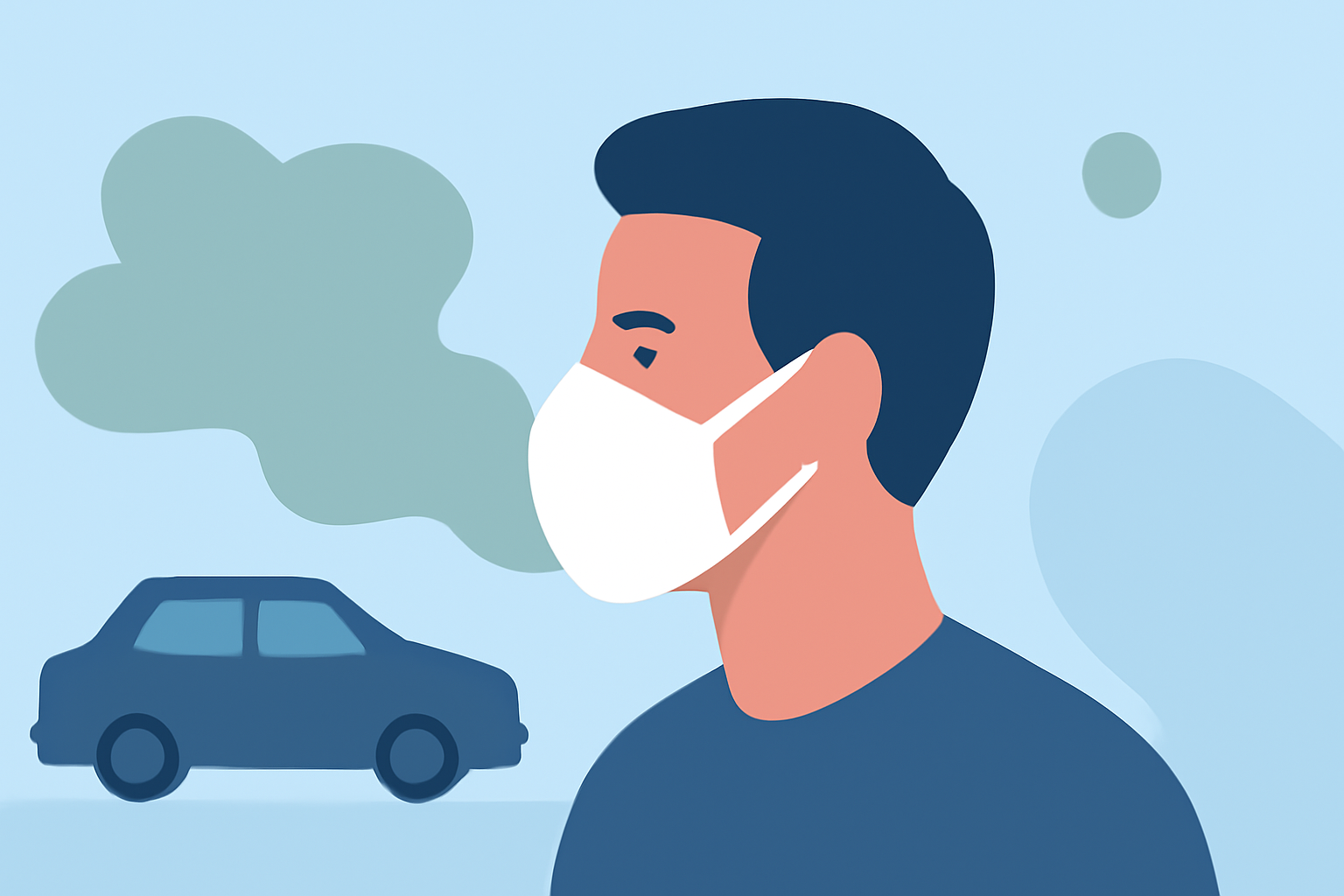
- Protect your health: If commuting outside when air quality levels are concerning, consider wearing a mask designed to filter out particulate matter to help shield from smoke inhalation.