
Navigating Cold-Weather Airport Delays: Essential Tips and Tools
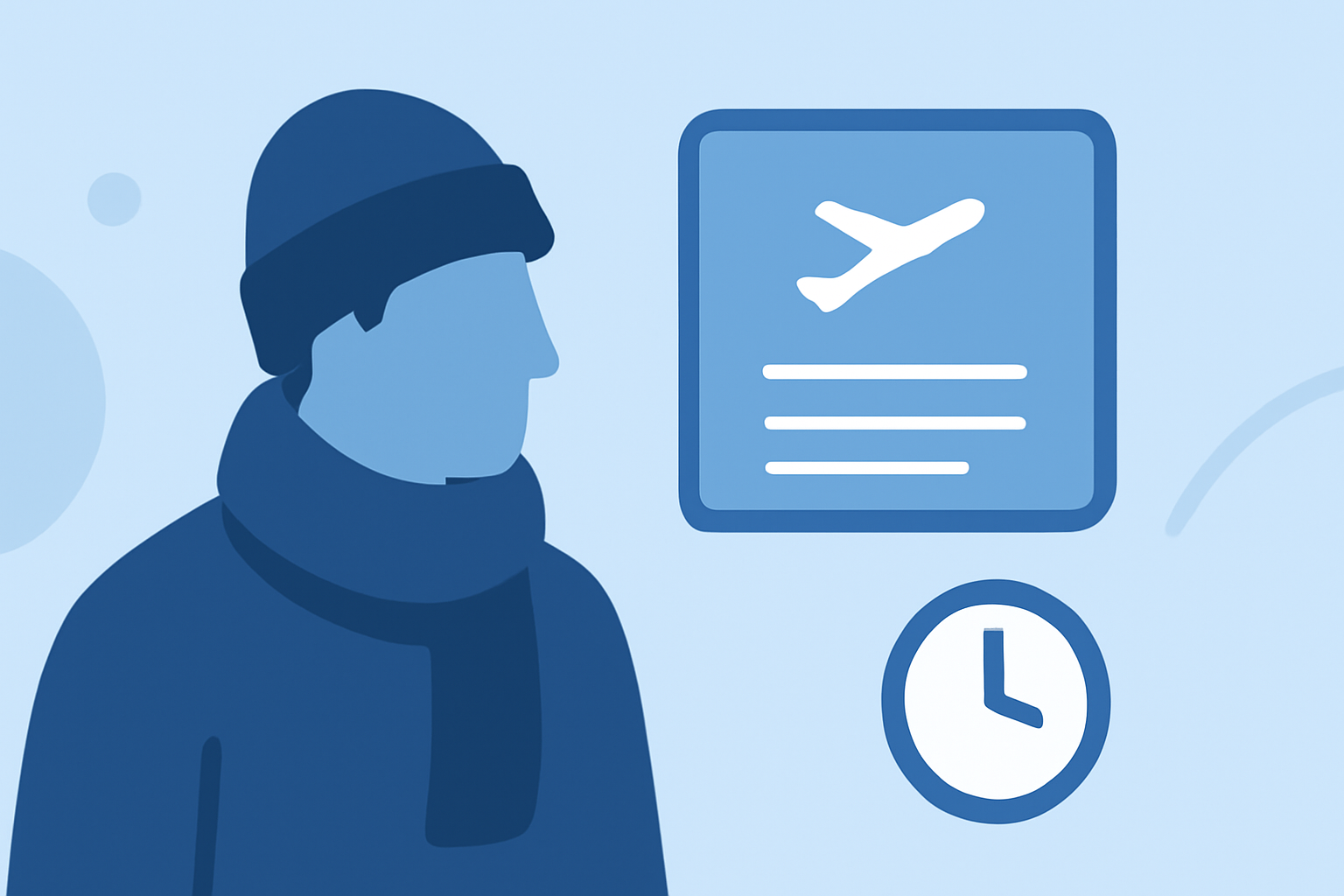
Traveling during the winter months can present unique challenges, especially when it comes to airport delays caused by cold weather. Snow, ice, and fog are common culprits that can disrupt flight schedules, leading to cancellations and extended wait times. However, with careful planning and the right tools, you can navigate these disruptions more effectively.
Understanding the Impact of Cold Weather on Air Travel
Cold weather significantly affects flight operations. Snow and ice can lead to runway closures, de-icing procedures, and reduced visibility due to fog. These conditions often result in delays and cancellations, particularly in regions prone to winter storms. For instance, airports in the Upper Midwest, Great Lakes, and Northeast are frequently impacted by such weather patterns.
Proactive Planning: Your First Line of Defense
-
Monitor Weather Forecasts: Stay informed about weather conditions at both your departure and arrival airports. This allows you to anticipate potential disruptions and make necessary adjustments.
-
Choose Optimal Flight Times: Opt for flights scheduled during the warmest parts of the day, typically mid-morning to mid-afternoon. This timing can reduce the likelihood of weather-related delays, as conditions often worsen in the evening and overnight hours. (kayak.com)
-
Book Nonstop Flights: Direct flights are less susceptible to cascading delays caused by connecting flights. If possible, select nonstop routes to minimize the risk of extended wait times. (supplychain.ucsf.edu)
-
Select High-Performing Airports: Some airports consistently maintain high on-time performance rates. For example, Salt Lake City International Airport reported an on-time performance of 84.32% in 2025, making it a favorable choice for travelers seeking reliability. (kiplinger.com)
Staying Informed: Real-Time Updates Are Crucial
-
Utilize Airline Mobile Apps: Download your airline's app and enable notifications to receive real-time updates on flight status, gate changes, and potential delays. This ensures you're always informed about your flight's status.
-
Check Airport Status: Before heading to the airport, verify the status of your flight and any potential delays. The Federal Aviation Administration (FAA) provides resources to help travelers stay updated on airport conditions. (faa.gov)
On-the-Go Solutions: Leveraging Advanced Tools
In addition to traditional methods, consider utilizing advanced tools like Planes Live. This platform offers real-time flight tracking, allowing you to monitor your flight's progress and receive instant updates on any changes. By integrating Planes Live into your travel routine, you can enhance your ability to respond swiftly to any disruptions caused by cold weather.
Preparing for the Unexpected: Essential Tips
-
Pack Smart: Bring essential items such as snacks, water, medications, and entertainment to keep yourself comfortable during unexpected delays.
-
Dress Appropriately: Wear layers to adapt to varying temperatures, and pack a warm jacket, especially if you anticipate spending extended periods in cold environments.
-
Know Your Rights: Familiarize yourself with airline policies regarding delays and cancellations. Understanding your rights can help you navigate the situation more effectively.
Conclusion
While cold-weather airport delays are often unavoidable, proactive planning, staying informed, and utilizing advanced tools like Planes Live can significantly mitigate their impact. By implementing these strategies, you can enhance your travel experience and reduce the stress associated with winter travel disruptions.
FAQs
-
How can I minimize the risk of flight delays during winter?
Booking morning flights and choosing nonstop routes can reduce the likelihood of delays. Additionally, staying informed about weather conditions at both departure and arrival airports is crucial.
-
What should I do if my flight is delayed or canceled due to weather?
Contact your airline for rebooking options and compensation policies. Ensure you have essential items like snacks, water, and entertainment to stay comfortable during extended wait times.
-
How can Planes Live assist me during winter travel disruptions?
Planes Live provides real-time flight tracking, allowing you to monitor your flight's status and receive instant updates on any changes, helping you stay informed and make timely decisions.
-
Are there specific airports more prone to winter weather delays?
Airports in the Upper Midwest, Great Lakes, and Northeast regions are frequently impacted by winter storms, leading to potential delays and cancellations.
-
What are my rights if my flight is delayed or canceled due to weather?
Airline policies vary, but generally, you may be entitled to compensation or rebooking options. It's essential to review your airline's specific policies and understand your rights as a passenger.
Highlights:
- The 5 Best (and Worst) US Airports for Flight Delays in 2026, Published on Monday, June 01