
Navigating Flight Cancellations Due to Storms: A Comprehensive Guide
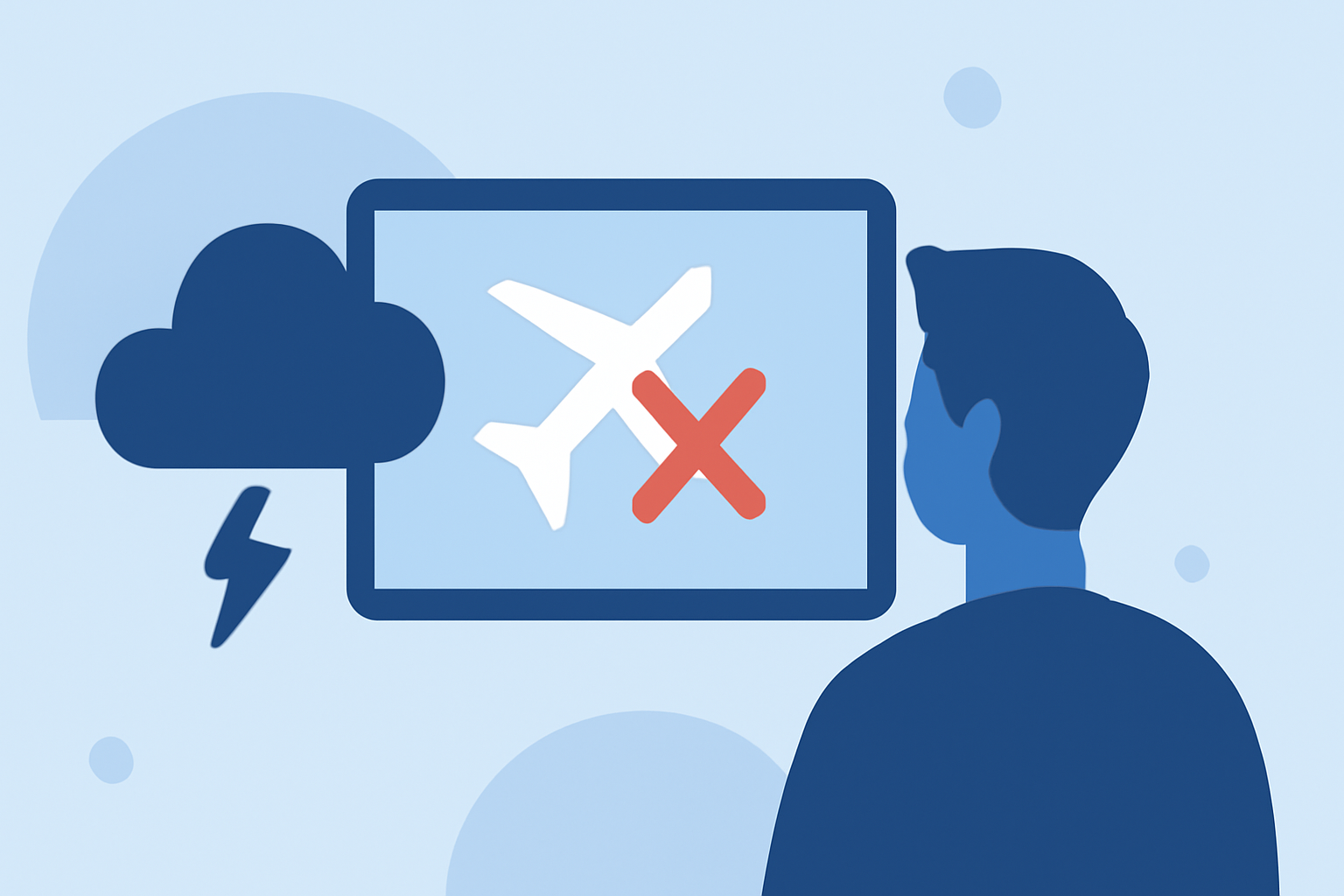
Experiencing a flight cancellation due to a storm can disrupt your travel plans and cause significant stress. However, with proactive planning and the right tools, you can navigate these disruptions more effectively. Here's a comprehensive guide to managing flight cancellations caused by storms.
1. Stay Informed About Weather Conditions
Monitoring weather forecasts is crucial. Utilize reliable sources to stay updated on impending storms that might affect your travel. This proactive approach allows you to anticipate potential disruptions and make necessary adjustments in advance.
2. Understand Your Rights as a Passenger
The U.S. Department of Transportation mandates that airlines provide refunds for canceled flights, regardless of the reason. This means if your flight is canceled due to a storm and you choose not to travel, you're entitled to a full refund. (travelstacks.com)
3. Communicate Promptly with Your Airline
Airlines often issue travel advisories and waivers when storms are forecasted. Regularly check your airline's website or contact their customer service to stay informed about any changes to your flight status. Early communication can help you secure rebooking options or refunds more efficiently. (nationalgeographic.com)
4. Explore Rebooking and Compensation Options
In the event of a cancellation, airlines typically offer rebooking on the next available flight. If the new flight doesn't align with your schedule, you can request rebooking on a partner airline or a different route. Additionally, some airlines may provide compensation, such as meal vouchers or hotel accommodations, especially if the cancellation is within their control. (nerdwallet.com)
5. Consider Travel Insurance for Added Protection
Travel insurance can be a valuable asset when dealing with weather-related disruptions. Policies often cover additional expenses like meals, lodging, and alternative transportation. Ensure you purchase insurance before a storm is named to be eligible for coverage. (kiplinger.com)
6. Utilize Real-Time Flight Tracking Tools
Staying updated on flight statuses is essential during stormy conditions. Tools like Planes Live provide real-time updates on flight statuses, helping you monitor your flight's progress and any potential delays or cancellations. This information can assist you in making informed decisions and adjusting your plans accordingly.
7. Be Flexible and Explore Alternative Transportation
Flexibility can be a lifesaver when flights are canceled. Consider alternative transportation options like trains or rental cars to reach your destination. Sometimes, traveling to a nearby airport with fewer cancellations can be a viable solution. (nerdwallet.com)
8. Document All Communications and Expenses
Keep thorough records of all communications with airlines, receipts, and any additional expenses incurred due to the cancellation. This documentation is essential when filing for compensation or insurance claims.
Conclusion
While flight cancellations due to storms are often unavoidable, understanding your rights, staying informed, and utilizing available tools can significantly mitigate the impact on your travel plans. By proactively managing the situation, you can navigate these disruptions with greater ease and confidence.
Highlights:
- What To Do if a Hurricane Cancels Your Vacation Plans, Published on Friday, August 22