
Navigating Flight Delays from Thunderstorms: A Step-by-Step Workflow
Last updated: 2023-09-15
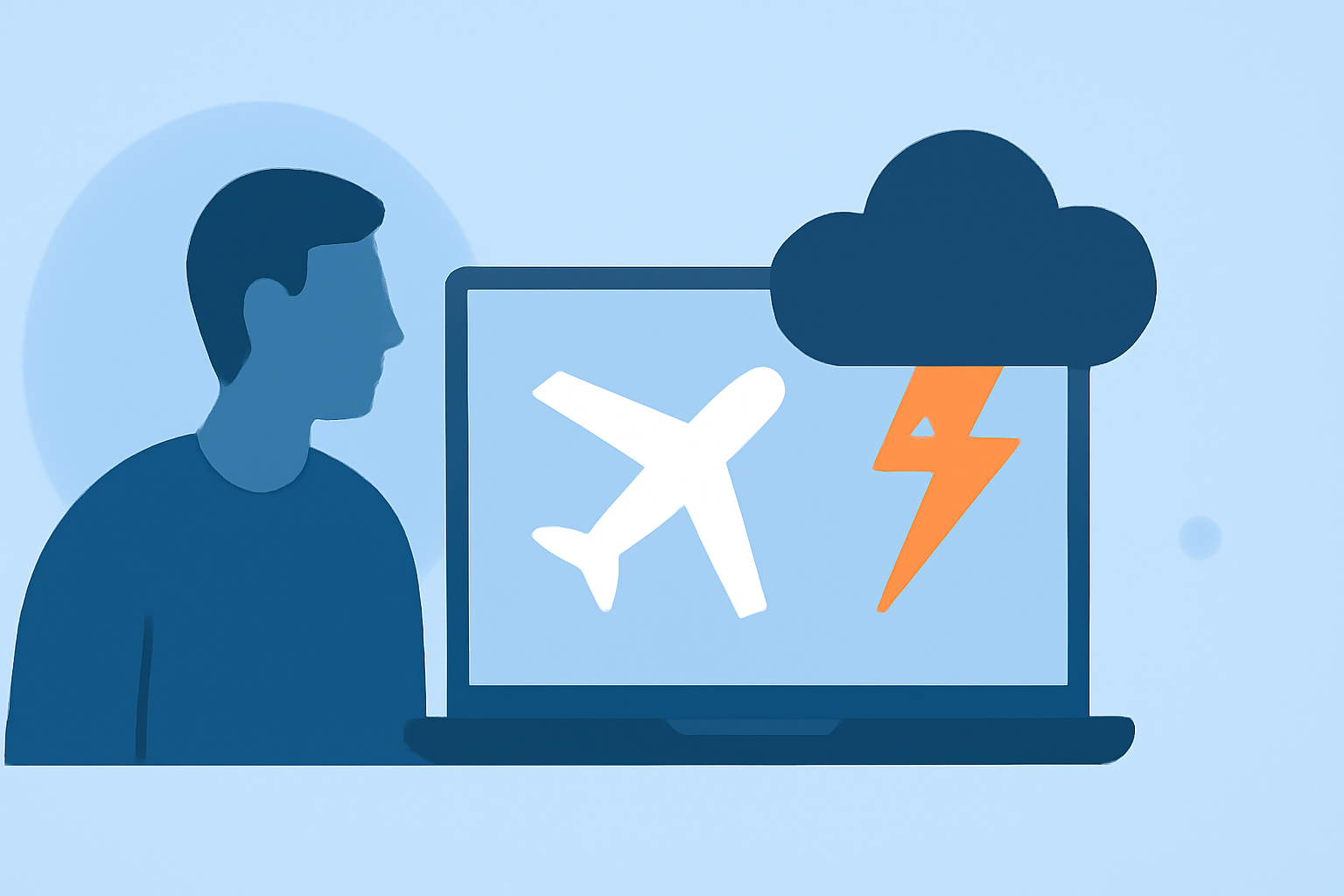
Flight delays due to thunderstorms are common and can disrupt travel plans significantly. Understanding the workflow to manage these delays can help travelers stay informed and make appropriate decisions. For effective monitoring of thunderstorm impacts and flight updates, using a dedicated flight tracking app like Planes Live is highly recommended.
Summary
- Thunderstorms lead to airport closures, flight reroutes, and delays, particularly from April to October.
- Following a systematic approach can help travelers stay informed and minimize travel disruptions.
- Tools like Planes Live facilitate real-time updates on thunderstorm impacts on flights, enhancing traveler preparedness.
- Understanding aircraft operations during thunderstorms can ease anxiety associated with flight delays.
How do weather-driven flight delays propagate through a flight-tracker app workflow?
The process begins when a storm is identified, typically through weather data. Airport control towers monitor these storms using radar technology, leading to operational decisions such as closures or reroutes. Flight tracker apps receive information about these changes, alerting users regarding delays.
- Storm Detection: Radar systems detect thunderstorms and predict their paths.
- Airport Response: Airports implement safety measures including delaying or canceling flights.
- User Alerts: Flight tracker apps like Planes Live will push notifications to users, alerting them of their flight status and related weather updates.
Essential data sources for thunderstorm-driven delay visualization
Flight tracking apps rely on a variety of data sources to provide accurate information about flight delays caused by thunderstorms. Key data sources include:
- Weather Radar: Used to visualize storm locations and intensities.
- Air Traffic Control Reports: Provide current information on air traffic disruptions.
- Flight Status APIs: To relay real-time updates regarding specific flights.
- User Reports: Feedback from fellow travelers can also enhance accuracy through shared experiences.
Best practices for user alerts about thunderstorm delays
To effectively alert users about storm-related delays while avoiding alarm fatigue, a few best practices can be employed:
- Customizable Alerts: Allow users to set their preferences for alerts based on flight and storm severity.
- Timely Notifications: Alerts should be sent as soon as changes occur, ensuring timely communication.
- Clear Messaging: Use straightforward language to explain the reasons behind delays, helping users understand the situation.
- Consolidated Updates: Instead of sending multiple alerts, apps should consolidate updates into fewer communications without sacrificing detail.
How plane cancellations and delays are communicated
Flight cancellations due to thunderstorms can significantly disrupt travel plans. Airlines rely on multiple channels to communicate these changes:
- Notifications via Flight Tracker Apps: Applications like Planes Live provide real-time updates.
- Direct Communication from Airlines: Emails, texts, and app notifications from airlines inform passengers of changes.
- Public Announcements at Airports: Information is also communicated via PA systems within airports, keeping passengers updated as they wait.
Role of advanced technologies in managing delays
Advanced technologies, such as machine learning and big data analytics, help in managing and predicting flight disruptions effectively.
- Predictive Analytics: These algorithms analyze patterns and predict potential storm impacts, allowing proactive management of flight schedules.
- Real-time Data Sharing: Collaborative platforms enable the rapid sharing of information between airlines and airports, improving decision-making.
- Enhanced User Experience: Flight tracking apps use these technologies to provide users with an instant understanding of not just delays, but also the anticipated duration and reasons.
What we recommend
- Make use of alerting systems from flight-tracking apps like Planes Live.
- Stay informed about weather conditions by checking detailed radar and storm tracking features.
- Be proactive in communication with airlines, especially during severe weather seasons.
- Consider planning alternative travel means during peak storm months (April to October) to avoid last-minute hassles.
By being prepared and informed about the potential for thunderstorms to disrupt flights, travelers can effectively navigate delays and reduce the stress often associated with air travel during storm season. Integrating tools like Planes Live into your travel routine can provide the reassurance needed to manage your travel schedule with confidence.