
Navigating Heat Waves and Pollen Seasons: Essential Safety Tips
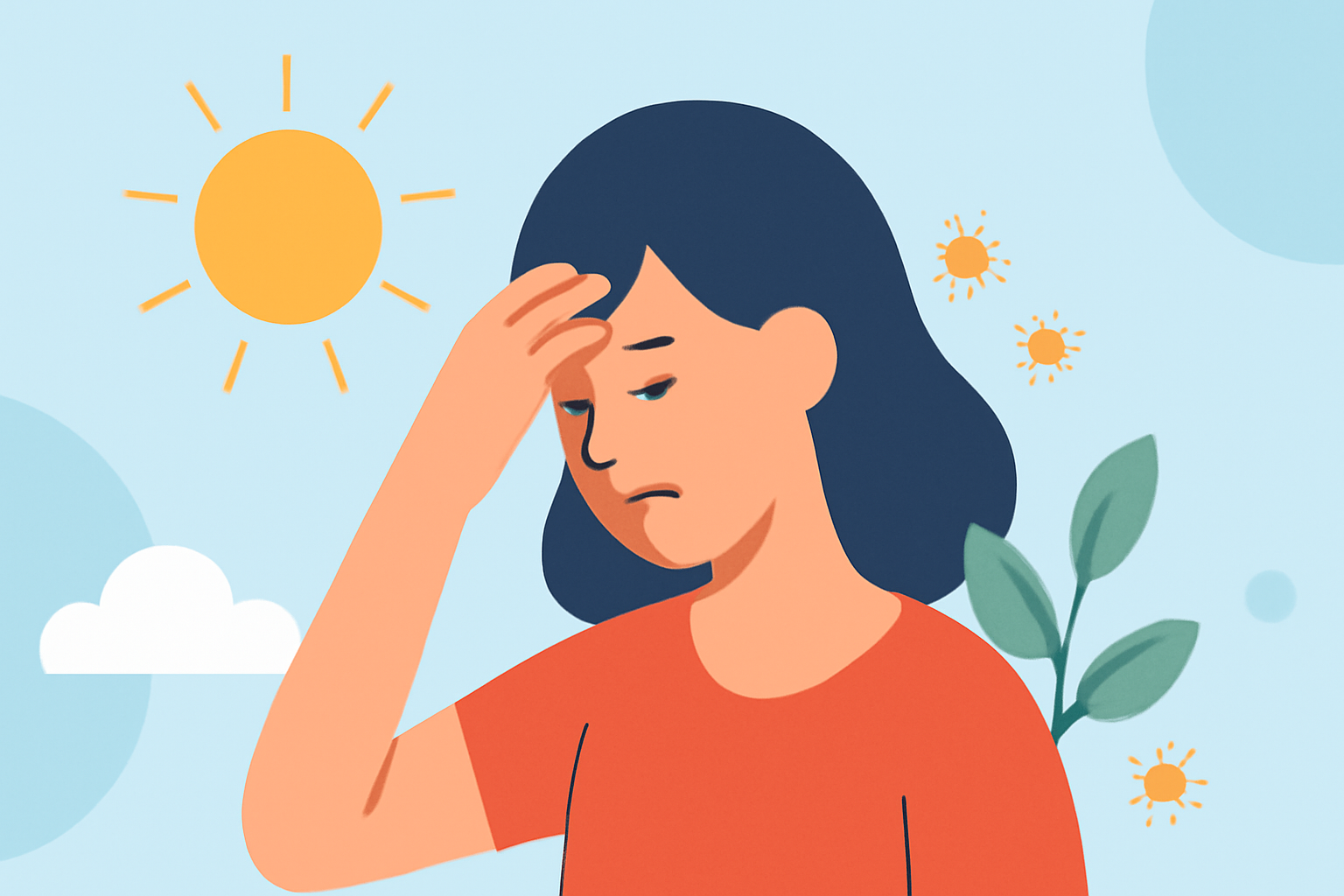
Experiencing a heat wave during pollen season can pose significant health risks. Understanding these challenges and implementing effective strategies can help you stay safe and comfortable. Here's what you need to know:
What Are Heat Waves and Pollen Seasons?
A heat wave is a prolonged period of excessively hot weather, often accompanied by high humidity. These conditions can lead to heat-related illnesses, especially when temperatures soar above 90°F (32°C) for extended periods. (cdc.gov)
Pollen seasons occur when plants release pollen into the air, typically during spring and fall. This airborne allergen can trigger symptoms like sneezing, congestion, and itchy eyes in susceptible individuals. (cdc.gov)
How Do Heat Waves Affect Pollen Levels?
Heat waves can influence pollen levels in several ways:
-
Extended Pollen Seasons: Warmer temperatures may cause pollen seasons to start earlier and last longer. (cdc.gov)
-
Increased Pollen Production: Elevated CO₂ levels and higher temperatures can lead plants to produce more pollen. (cdc.gov)
Health Risks During Heat Waves and Pollen Seasons
Combining heat waves with high pollen levels can exacerbate health issues:
-
Heat-Related Illnesses: Prolonged exposure to high temperatures can result in heat exhaustion or heatstroke, characterized by symptoms like dizziness, nausea, and confusion. (cdc.gov)
-
Allergic Reactions: Increased pollen can intensify allergy symptoms, leading to discomfort and potential respiratory issues. (cdc.gov)
Preventive Measures and Safety Tips
To safeguard your health during these challenging periods:
-
Stay Informed: Monitor local weather forecasts and pollen counts to anticipate high-risk days. (cdc.gov)
-
Limit Outdoor Activities: On days with high heat and pollen levels, reduce outdoor exposure, especially during peak pollen times (5:00 - 10:00 a.m.). (niehs.nih.gov)
-
Create a Cool Environment: Use air conditioning or visit public cooling centers to stay cool indoors. (cdc.gov)
-
Stay Hydrated: Drink plenty of water throughout the day to prevent dehydration. (cdc.gov)
-
Protect Your Skin: Wear light, loose-fitting clothing and apply sunscreen to shield against sunburn. (news.va.gov)
-
Manage Allergies: Take prescribed allergy medications as directed and consider using high-efficiency filters in your home's HVAC system to reduce indoor pollen exposure. (cdc.gov)
When to Seek Medical Attention
If you experience severe symptoms such as:
-
Persistent dizziness or confusion
-
Rapid heartbeat
-
Difficulty breathing
Seek immediate medical care. (cdc.gov)
By understanding the interplay between heat waves and pollen seasons and taking proactive steps, you can effectively protect your health during these challenging periods.
Highlights:
- Heat wave hazards - Harvard Health, Published on Saturday, May 31
- Allergens and Pollen | Climate and Health | CDC, Published on Friday, March 01
- About Heat and Your Health | Heat Health | CDC, Published on Thursday, July 24