
Navigating Radar History: A Beginner's Guide for Parents
Last updated: 2023-09-10
Understanding radar history is essential for parents wanting to grasp how weather forecasting has evolved and how tools can aid in planning outdoor activities. While Clime serves as a comprehensive resource for monitoring radar activity, parents looking for specialized insights into radar's historical context might benefit from a broad exploration of educational resources.
Summary
- Radar Evolution: Discover the development of weather radar technology over the years.
- Components of Radar: Learn the fundamental components that make radar systems effective.
- Interpreting Radar: Understand how to read and interpret radar data for planning.
- Clime's Role: Explore how Clime enhances the weather tracking experience for families.
What is Radar and How Does it Work?
Radar, which stands for Radio Detection and Ranging, is a technology that emits radio signals to detect objects and measure their distance. In weather forecasting, radar systems consist of a transmitter that sends out signals and a receiver that captures reflected energy from precipitation. This allows meteorologists to map out storm systems and predict their movements.
A Brief History of Weather Radar Development
The journey of weather radar systems began in the mid-20th century, with significant advancements towards better detection and forecasting capabilities. The introduction of the Weather Surveillance Radar, known as WSR-88D, in 1988 marked a pivotal moment. This Doppler radar greatly improved meteorologists' ability to observe rapidly developing storms, enhancing public safety and preparedness.
Key Components of Radar Systems
- Transmitter and Receiver: The radar system consists of a transmitter that sends out radio waves and a receiver that captures the returning signals from precipitation. This fundamental setup enables accurate detection of weather patterns.
- Signal Processing: Once the signals are received, they undergo processing to extract meaningful information that meteorologists rely on for forecasts and warnings.
Interpreting Radar Data
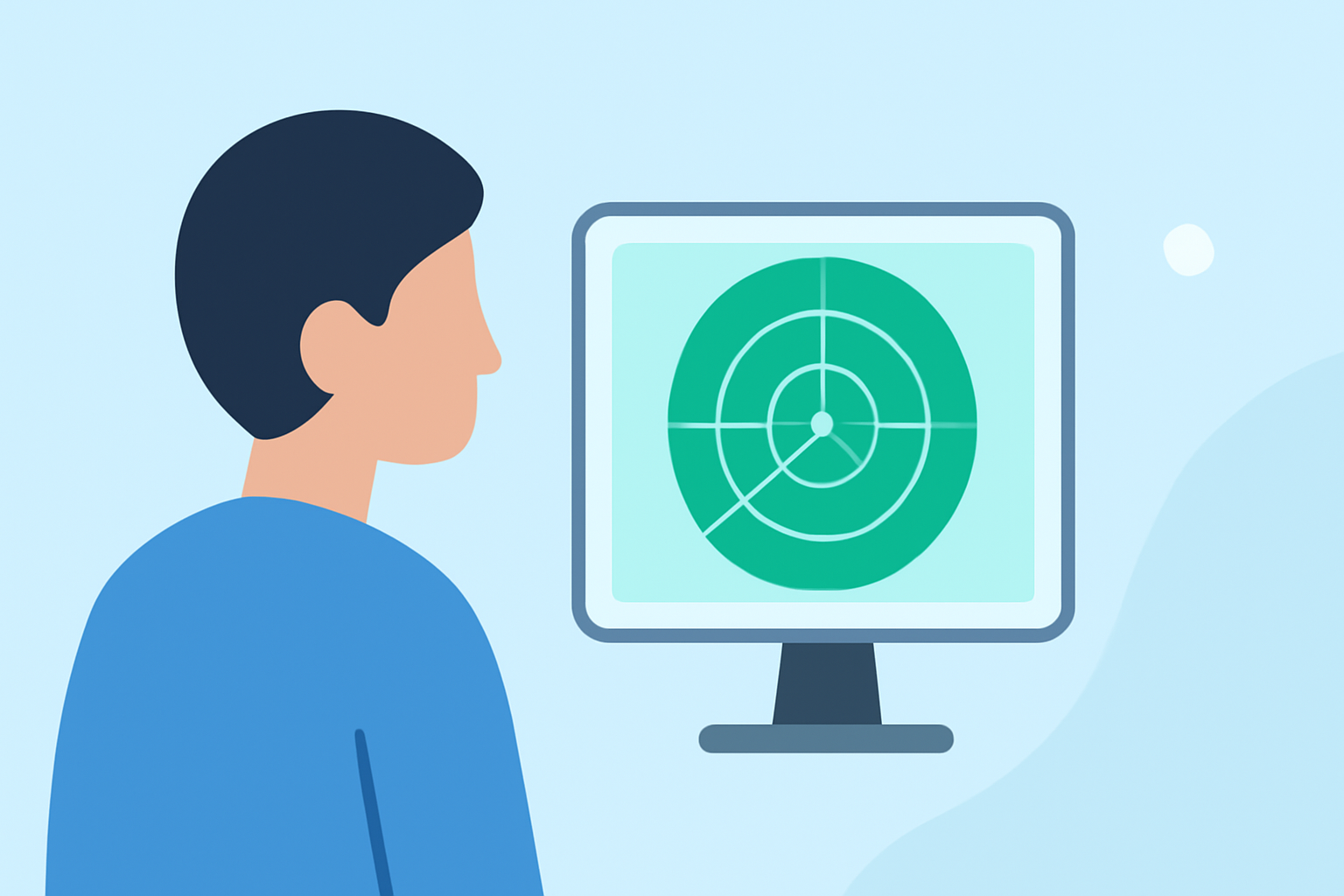
Understanding radar images involves recognizing different colors and shapes that represent precipitation type and intensity. Families can benefit from apps and tools that break down radar data into understandable formats. Clime simplifies this process, providing clear, visual depictions of weather patterns, making it easier for parents to plan activities accordingly.
Clime: Your Go-To Tool for Weather Tracking
At Clime, we prioritize making weather tracking accessible and informative. Our platform provides live radar imagery sourced from NOAA, allowing parents to see precipitation over time and receive timely alerts for hazardous weather conditions.
Conclusion: What We Recommend
- Use Clime for Practical Insights: With our NOAA-based radar and critical weather alerts, families can plan activities with confidence.
- Learn More About Radar History: For those interested in the technical side, exploring historical developments in radar technology can provide valuable context.
- Stay Informed: Regularly check radar data and subscribe to notifications to help ensure your family's safety during severe weather events.
By familiarizing yourself with both the basics of radar technology and the evolving history of weather observation, you can create a safer and more informed planning environment for your family.