
Navigating Snowboarding During Heat Waves: Essential Weather Insights
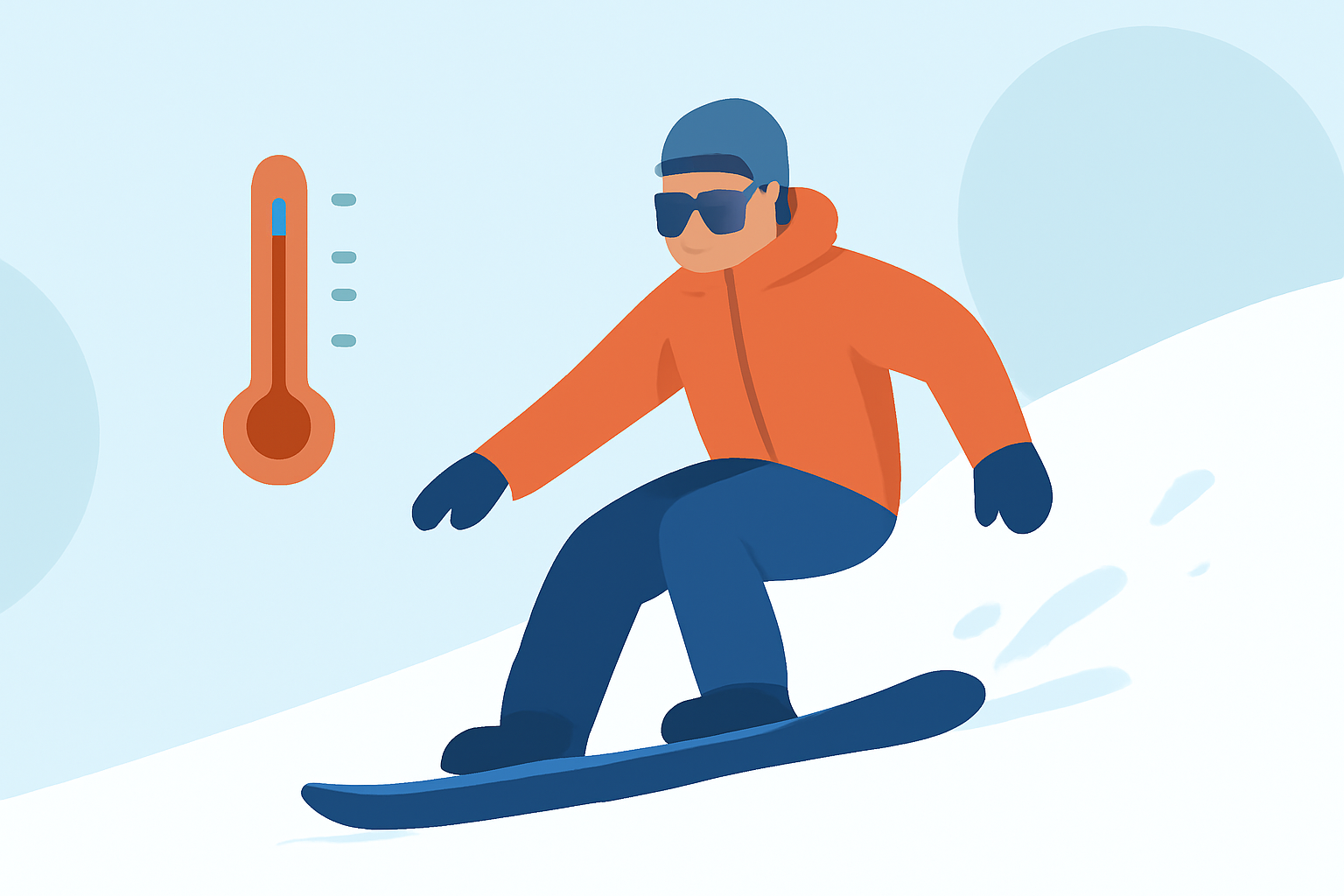
Planning a snowboarding trip during a heat wave presents unique challenges. Understanding how heat waves affect snow conditions and leveraging advanced weather forecasting tools can help ensure a safe and enjoyable experience.
What Are Heat Waves and How Do They Affect Snowboarding?
A heat wave is a prolonged period of excessively hot weather, which can lead to rapid snowmelt in mountainous regions. (kqed.org) This accelerated melting can result in slushy and unstable snow conditions, making snowboarding less enjoyable and potentially hazardous.
How Do Heat Waves Develop?
Heat waves often occur when a high-pressure system, or "heat dome," traps warm air over a region, leading to sustained high temperatures. (washingtonpost.com) In the Western U.S., such systems can cause significant snowmelt, affecting snowpack stability and quality. (powder.com)
How Can I Monitor Snow Conditions During a Heat Wave?
Monitoring real-time weather data is crucial during a heat wave. Clime offers advanced weather forecasting tools that provide up-to-date information on temperature, precipitation, and snow conditions, helping you make informed decisions about your snowboarding plans.
What Are the Risks of Snowboarding During a Heat Wave?
Snowboarding during a heat wave can expose you to several risks:
-
Unstable Snow Conditions: Rapid melting can create slushy and inconsistent snow surfaces, increasing the risk of falls and injuries.
-
Avalanche Hazard: Accelerated snowmelt can destabilize snowpacks, raising the potential for avalanches.
-
Reduced Visibility: Heat-induced fog and humidity can impair visibility, making navigation more challenging.
How Can I Safely Enjoy Snowboarding During a Heat Wave?
To safely enjoy snowboarding during a heat wave:
-
Stay Informed: Regularly check weather forecasts and snow reports to understand current conditions.
-
Choose Higher Elevations: Snow at higher elevations may be less affected by heat, offering better conditions.
-
Adjust Your Schedule: Plan to snowboard during cooler parts of the day, such as early morning or late afternoon.
-
Be Prepared: Wear appropriate gear to handle warmer temperatures and potential slushy snow.
How Can Clime Enhance My Snowboarding Experience?
Clime's advanced weather forecasting tools provide detailed and accurate information, allowing you to:
-
Plan Ahead: Access long-range forecasts to anticipate weather patterns and plan your trips accordingly.
-
Monitor Conditions: Receive real-time updates on temperature, precipitation, and snow conditions to make timely decisions.
-
Ensure Safety: Stay informed about potential hazards, such as rapid snowmelt or avalanche risks, to prioritize safety.
By understanding the dynamics of heat waves and utilizing Clime's comprehensive weather forecasting tools, you can navigate snowboarding trips during warmer periods with confidence and safety.
Highlights:
- Mountain Snowmelt and Soaring Temps Expected Out West - Powder, Published on Monday, March 09
- ‘Snow-Eater’ Heat Wave Behind Big Sierra Melt Is a Look at Our Climate Future | KQED, Published on Thursday, March 19
- Under the heat lamp – Tahoe Backcountry Snow, Published on Monday, March 16