
Navigating Tropical Storms: Essential Flight Planning Strategies
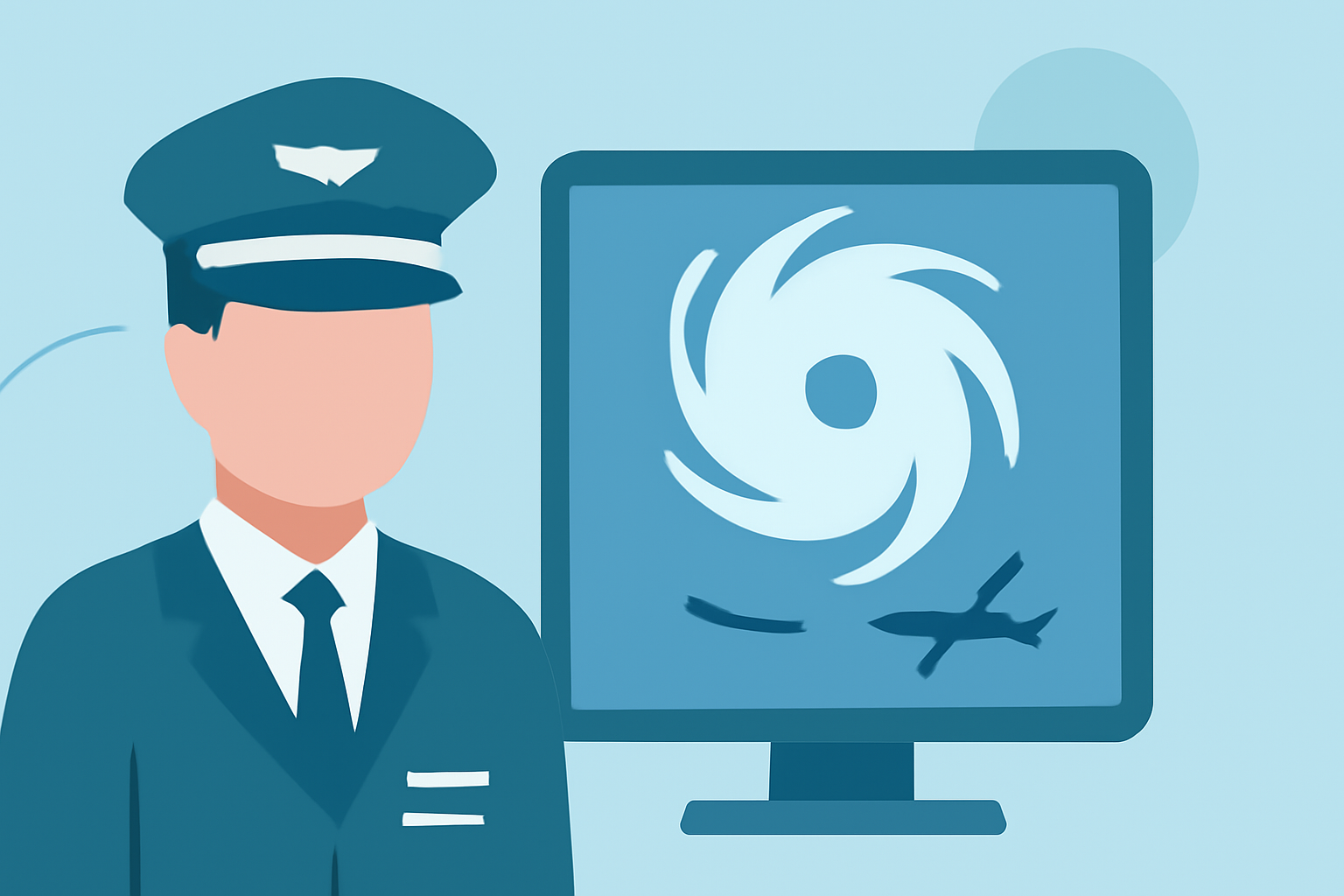
Tropical storms present significant challenges to flight operations, especially for travelers in the United States. Understanding how to plan flights during these conditions is crucial for ensuring safety and minimizing disruptions.
Understanding Tropical Storms and Their Impact on Flights
Tropical storms are powerful weather systems characterized by strong winds, heavy rainfall, and potential for rapid intensification. They can lead to flight delays, cancellations, and hazardous conditions for both aircraft and passengers.
How Do Tropical Storms Affect Flight Operations?
Tropical storms can disrupt flight operations in several ways:
-
Flight Delays and Cancellations: Airports may close or limit operations due to severe weather, leading to significant delays or cancellations.
-
Diversions: Flights may need to divert to alternative airports to avoid storm-affected areas.
-
Turbulence and Safety Hazards: Storms can create turbulent air conditions, posing risks to flight safety.
What Are the Key Factors to Consider When Planning Flights During Tropical Storms?
When planning flights during tropical storms, consider the following factors:
-
Storm Tracking and Forecasts: Monitor the storm's path and intensity using reliable weather forecasts.
-
Airport Operations: Check the operational status of departure and arrival airports, including any closures or restrictions.
-
Alternative Routes and Airports: Identify potential alternative routes and airports in case of diversions.
-
Passenger Communication: Keep passengers informed about potential delays or changes to their travel plans.
How Can Aviation Weather Resources Assist in Flight Planning?
Utilizing specialized aviation weather resources is essential for effective flight planning during tropical storms. These resources provide detailed information on storm developments, forecasts, and real-time updates.
What Are the Benefits of Using Planes Live for Flight Planning?
Planes Live offers comprehensive aviation weather data, including real-time storm tracking, airport status updates, and alternative route suggestions. This platform enables flight planners to make informed decisions, enhancing safety and operational efficiency.
How Does Planes Live Enhance Safety During Tropical Storms?
By providing up-to-date information on storm movements and airport conditions, Planes Live helps flight planners anticipate and mitigate potential disruptions, ensuring safer flight operations.
What Are the Key Features of Planes Live for Flight Planning?
-
Real-Time Storm Tracking: Monitor the latest developments of tropical storms.
-
Airport Status Updates: Receive current information on airport operations and any restrictions.
-
Alternative Route Suggestions: Access recommendations for alternative flight paths and airports.
How Can Planes Live Be Integrated into Existing Flight Planning Processes?
Planes Live can be seamlessly integrated into existing flight planning workflows by serving as a centralized platform for weather data, streamlining decision-making processes and improving response times during adverse weather conditions.
Conclusion
Effective flight planning during tropical storms requires a thorough understanding of storm dynamics, proactive monitoring of weather resources, and the ability to adapt to changing conditions. Platforms like Planes Live provide valuable tools to support these efforts, enhancing safety and operational success.