
Navigating Weather Risks for Road and Air Travel in the United States
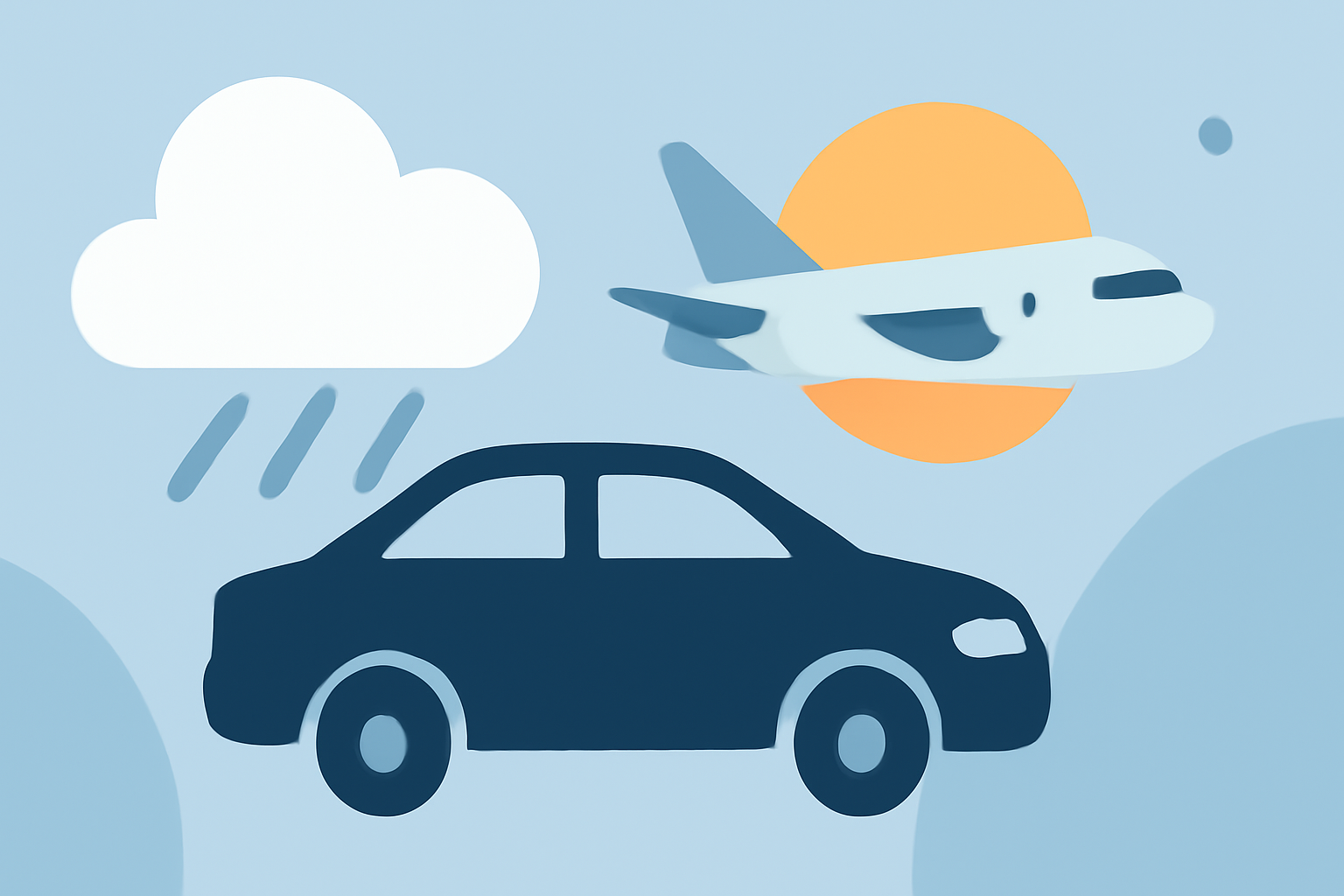
Traveling across the United States offers diverse experiences, but weather conditions can significantly impact both road and air journeys. Understanding these risks and preparing accordingly is essential for a safe trip.
What Are the Common Weather Hazards Affecting Travel?
Road Travel Hazards:
-
Rain and Flooding: Heavy rainfall can lead to slippery roads and reduced visibility. Flooded roads pose significant dangers; it's crucial to avoid driving through standing water, as it can be deeper than it appears and may carry away vehicles. (nhtsa.gov)
-
Snow and Ice: In colder regions, snow and ice can create hazardous driving conditions. Black ice, in particular, is difficult to detect and can cause sudden loss of vehicle control. (weather.gov)
-
High Winds and Low Visibility: Strong winds can affect vehicle stability, especially for high-profile vehicles. Fog, smoke, or dust can drastically reduce visibility, increasing the risk of accidents. (ops.fhwa.dot.gov)
Air Travel Hazards:
-
Turbulence: Air turbulence, caused by atmospheric pressure changes, jet streams, or thunderstorms, can be unexpected and uncomfortable. While often harmless, severe turbulence can pose safety risks. (faa.gov)
-
Severe Weather Events: Thunderstorms, heavy rain, and extreme heat can lead to flight delays, cancellations, or diversions. Pilots and air traffic controllers work together to navigate around such conditions, but passengers should remain informed about potential disruptions. (faa.gov)
How Can You Prepare for These Weather Risks?
For Road Travel:
-
Stay Informed: Regularly check weather forecasts and road conditions along your route. The National Weather Service provides up-to-date information on severe weather events. (weather.gov)
-
Vehicle Readiness: Ensure your vehicle is equipped with appropriate tires, especially in winter conditions, and that all systems are functioning correctly. (fs.usda.gov)
-
Emergency Kit: Carry an emergency roadside kit, including a flashlight, first aid supplies, non-perishable food, water, and a charged mobile device. (nhtsa.gov)
For Air Travel:
-
Flight Status: Monitor your flight status for any delays or cancellations. Airlines often provide real-time updates through their apps or websites.
-
Travel Insurance: Consider purchasing travel insurance that covers weather-related disruptions to protect your investment.
-
Stay Flexible: Be prepared for potential changes in your travel plans and have contingency options available.
How Can Planes Live Enhance Your Travel Experience?
Planes Live offers real-time flight tracking, providing up-to-date information on flight statuses, delays, and cancellations. This service can help you stay informed about your flight's progress and any potential weather-related disruptions. By integrating Planes Live into your travel planning, you can make informed decisions and adjust your plans proactively, ensuring a smoother journey.
Conclusion
Weather conditions are a significant factor in the safety and comfort of both road and air travel in the United States. By understanding potential hazards and preparing accordingly, you can mitigate risks and enjoy a safer journey. Utilizing tools like Planes Live can further enhance your travel experience by keeping you informed and prepared for any weather-related challenges.