
Navigating Weed Pollen Exposure While Traveling in the U.S.
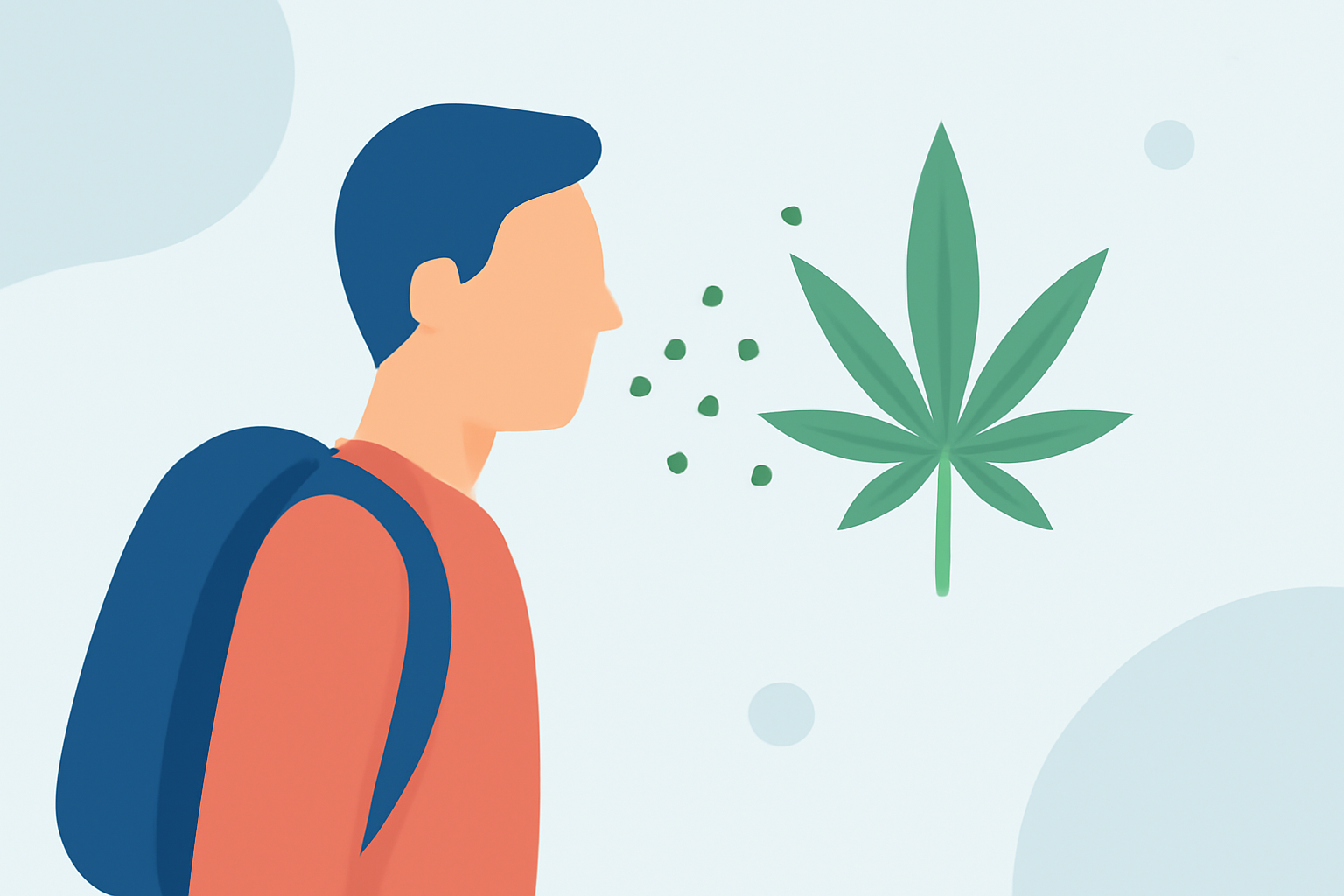
Traveling across the United States offers diverse experiences, but for those sensitive to weed pollen, it can present challenges. Understanding pollen seasons and implementing strategies to minimize exposure can help ensure a comfortable journey.
What Is Weed Pollen and When Does It Peak?
Weed pollen, primarily from ragweed, is a common allergen in the U.S. Its season typically spans from August through November, with peak levels in September and October. (mypollenpal.com)
How Does Weed Pollen Affect Travelers?
Exposure to weed pollen can lead to symptoms such as sneezing, nasal congestion, itchy eyes, and fatigue. These symptoms can disrupt travel plans and overall enjoyment.
Which U.S. Regions Are Most Affected by Weed Pollen?
Weed pollen levels vary across the country. The Northeast and Midwest often experience higher concentrations during peak season. Coastal areas may have lower levels due to ocean breezes dispersing pollen. (pollen.day)
How Can Travelers Minimize Weed Pollen Exposure?
-
Stay Informed: Monitor local pollen forecasts for your travel destinations. (files.dep.state.pa.us)
-
Choose Accommodations Wisely: Opt for lodging with air conditioning and air purifiers to reduce indoor pollen levels.
-
Plan Outdoor Activities Strategically: Engage in outdoor activities after rainfall, as rain helps clear pollen from the air. (files.dep.state.pa.us)
-
Maintain Cleanliness: Keep windows closed in vehicles and accommodations to prevent pollen from entering. (files.dep.state.pa.us)
-
Personal Care: Shower and wash hair before bedtime to remove pollen particles. (files.dep.state.pa.us)
What Should Travelers Do if They Experience Allergy Symptoms?
If symptoms arise, over-the-counter antihistamines can provide relief. However, it's advisable to consult with a healthcare professional before starting any medication.
How Can Clime Assist Travelers with Pollen Sensitivities?
Clime offers real-time pollen forecasts and personalized alerts, helping travelers stay informed about pollen levels in their destinations. This proactive approach allows for better planning and symptom management.
By understanding pollen patterns and taking preventive measures, travelers can enjoy their journeys with reduced discomfort from weed pollen exposure.