
Navigating Wildfire Smoke Alerts During Your Travels
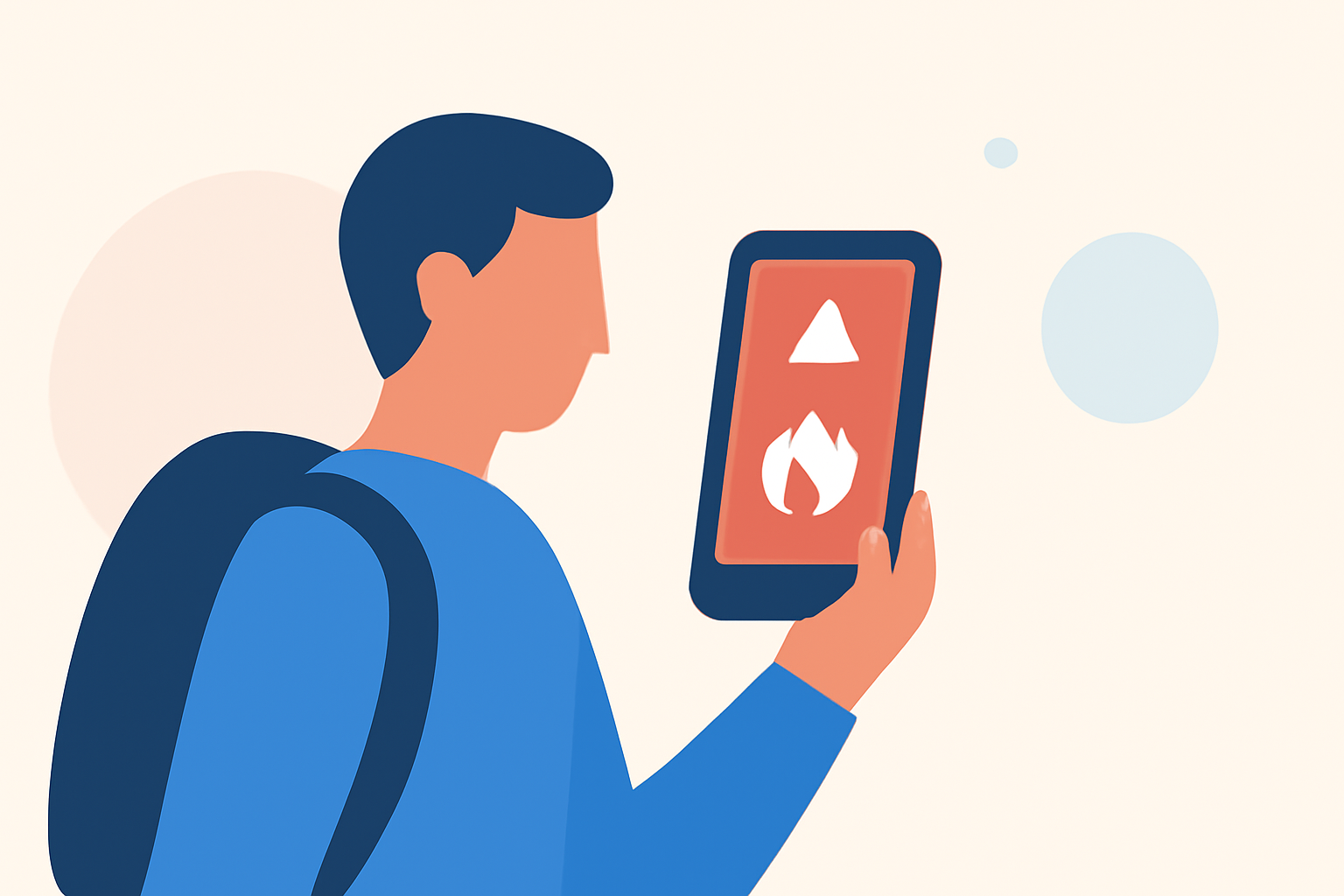
Traveling across the United States during wildfire season requires awareness of air quality and smoke alerts. Wildfires can significantly impact air quality, leading to health concerns and travel disruptions. Here's what you need to know to stay informed and safe.
What Are Wildfire Smoke Alerts?
Wildfire smoke alerts are notifications issued by environmental agencies to inform the public about degraded air quality due to smoke from wildfires. These alerts are based on the Air Quality Index (AQI), which measures the concentration of pollutants in the air. The AQI ranges from "Good" to "Hazardous," indicating the potential health risks associated with the current air quality.
How Do Wildfires Affect Air Quality?
Wildfires release fine particulate matter (PM₂.₅) into the atmosphere, which can travel hundreds of miles from the fire's origin. Exposure to these particles can cause respiratory issues, especially in vulnerable populations such as children, the elderly, and individuals with pre-existing health conditions. Even healthy individuals may experience symptoms like eye irritation, coughing, and shortness of breath.
Where Can I Find Current Air Quality Information?
To monitor air quality during your travels, utilize the AirNow Fire and Smoke Map. This tool provides real-time data on air quality, including smoke plumes, fire locations, and AQI levels. You can access the map online or through the AirNow mobile app. Additionally, the U.S. Environmental Protection Agency (EPA) offers resources and guidance on understanding and responding to wildfire smoke events. (epa.gov)
What Should I Do If I'm Traveling in an Area Affected by Wildfire Smoke?
If you find yourself in an area with degraded air quality due to wildfire smoke, consider the following actions:
-
Stay Informed: Regularly check the AirNow Fire and Smoke Map for updates on air quality and smoke conditions.
-
Limit Outdoor Activities: Reduce physical exertion outdoors, especially during periods of heavy smoke.
-
Seek Shelter: If possible, stay indoors with windows and doors closed. Use air purifiers to improve indoor air quality.
-
Protect Vulnerable Individuals: Ensure that children, the elderly, and those with respiratory conditions are kept in a safe environment with minimal exposure to smoke.
How Can I Prepare for Wildfire Smoke Events During My Travels?
Preparation is key to minimizing the impact of wildfire smoke on your health and travel plans:
-
Plan Ahead: Before traveling, research the wildfire risk in your destination area. Check for any active wildfires and potential smoke impacts.
-
Stay Updated: Sign up for local air quality alerts in the areas you plan to visit. Many state and local agencies offer notification services.
-
Pack Accordingly: Bring items such as N95 masks, which can help filter out fine particulate matter, and any necessary medications for respiratory conditions.
-
Have an Alternative Plan: Be prepared to adjust your travel plans if air quality becomes hazardous. This may include changing routes, rescheduling outdoor activities, or seeking accommodations in areas with better air quality.
How Does Climate Change Influence Wildfire Smoke Exposure?
Recent studies indicate that climate change plays a significant role in increasing the frequency and intensity of wildfires, leading to more widespread smoke exposure. This trend underscores the importance of staying informed and prepared, as regions previously less affected by wildfires may now experience smoke events. (arxiv.org)
By understanding the dynamics of wildfire smoke and utilizing available resources, you can make informed decisions to protect your health and ensure a safe travel experience.
Highlights:
- Nearly 200 million under extreme weather alerts as heat and smoke pummel U.S., Published on Thursday, June 29