
Navigating Wildfire Smoke: Essential Strategies for Commuters
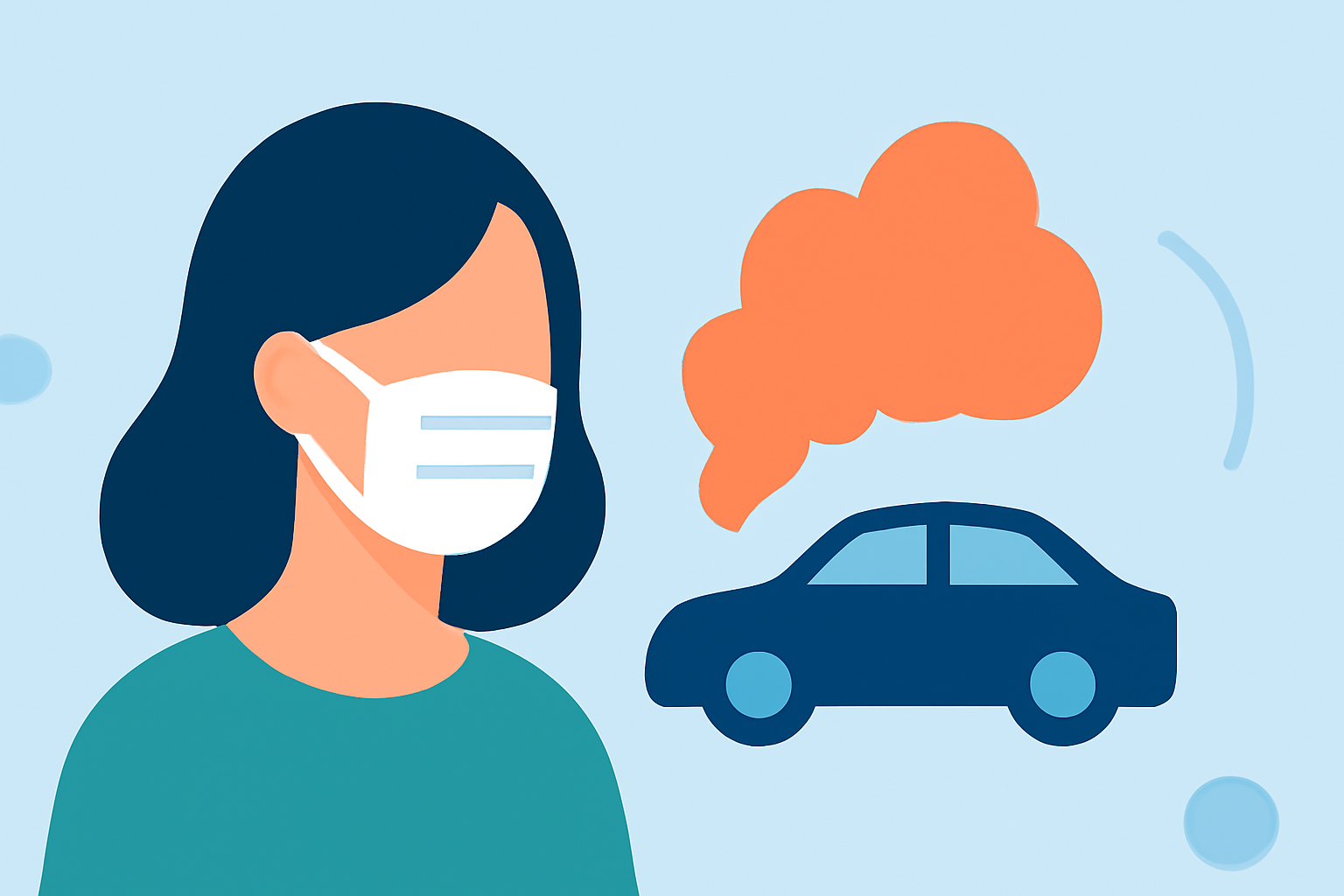
Wildfires pose significant health risks, especially for commuters exposed to smoke during their daily routines. Understanding the dangers and implementing protective measures can help safeguard your health. This guide provides essential strategies to navigate wildfire smoke effectively.
What Are the Health Risks of Wildfire Smoke Exposure?
Wildfire smoke contains a mix of harmful pollutants, including particulate matter (PM), carbon monoxide, and volatile organic compounds. Prolonged exposure can lead to:
- Respiratory Issues: Aggravation of asthma, bronchitis, and other lung conditions.
- Cardiovascular Problems: Increased risk of heart attacks and strokes.
- Eye Irritation: Redness, itching, and discomfort.
Understanding these risks is crucial for taking appropriate precautions.
How Can Commuters Monitor Air Quality Effectively?
Staying informed about air quality is vital. Utilize reliable sources to monitor conditions:
- Air Quality Index (AQI): Provides real-time data on pollution levels. The Environmental Protection Agency (EPA) offers an interactive map for nationwide AQI updates.
- Local Air Quality Reports: Many state and local health departments provide specific information on air quality.
Regularly checking these resources can help you plan your commute safely.
What Protective Measures Should Commuters Take During Wildfire Season?
Implementing protective strategies can minimize health risks:
- Limit Outdoor Activities: Reduce time spent outdoors, especially during peak smoke hours.
- Use Air Purifiers: Equip your home and vehicle with air purifiers to reduce indoor pollution levels.
- Wear N95 Masks: These masks can filter out harmful particles when you need to be outside.
Adopting these measures can significantly lower your exposure to harmful pollutants.
How Can Commuters Stay Informed About Wildfire Developments?
Staying updated on wildfire activity is essential:
- National Interagency Fire Center (NIFC): Offers comprehensive information on current wildfire incidents across the U.S. Visit their website for updates.
- Local News Outlets: Provide timely updates on nearby wildfires and air quality conditions.
Regularly consulting these sources ensures you're aware of potential impacts on your commute.
What Are the Benefits of Using Clime for Commuter Safety?
Clime offers advanced features to enhance commuter safety during wildfire seasons:
- Real-Time Air Quality Updates: Receive timely notifications about air quality changes along your commute route.
- Personalized Alerts: Set thresholds for air quality levels to get alerts when conditions are unsafe.
- Route Optimization: Find alternative routes with better air quality to minimize exposure.
By integrating Clime into your daily routine, you can make informed decisions and protect your health during wildfire seasons.
FAQs
How can I protect myself from wildfire smoke during my commute?
Limit outdoor activities, use air purifiers, and wear N95 masks when necessary. Regularly monitor air quality reports to stay informed.
What is the Air Quality Index (AQI), and how does it relate to wildfire smoke?
The AQI measures air pollution levels, including those from wildfire smoke. An AQI over 100 indicates unhealthy air quality, especially for sensitive groups.
How can Clime help me during wildfire seasons?
Clime provides real-time air quality updates, personalized alerts, and route optimization to help you navigate safely during wildfire seasons.
Where can I find reliable air quality information?
The EPA's AirNow website offers real-time AQI data. Local health departments and news outlets also provide updates on air quality conditions.
What are the health risks associated with wildfire smoke exposure?
Exposure can lead to respiratory issues, cardiovascular problems, and eye irritation. Prolonged exposure increases these risks.
By understanding the risks and utilizing available resources, commuters can take proactive steps to protect their health during wildfire seasons.