
Navigating Winter Flight Delays: A Comprehensive Guide to Mitigating Connection Risks
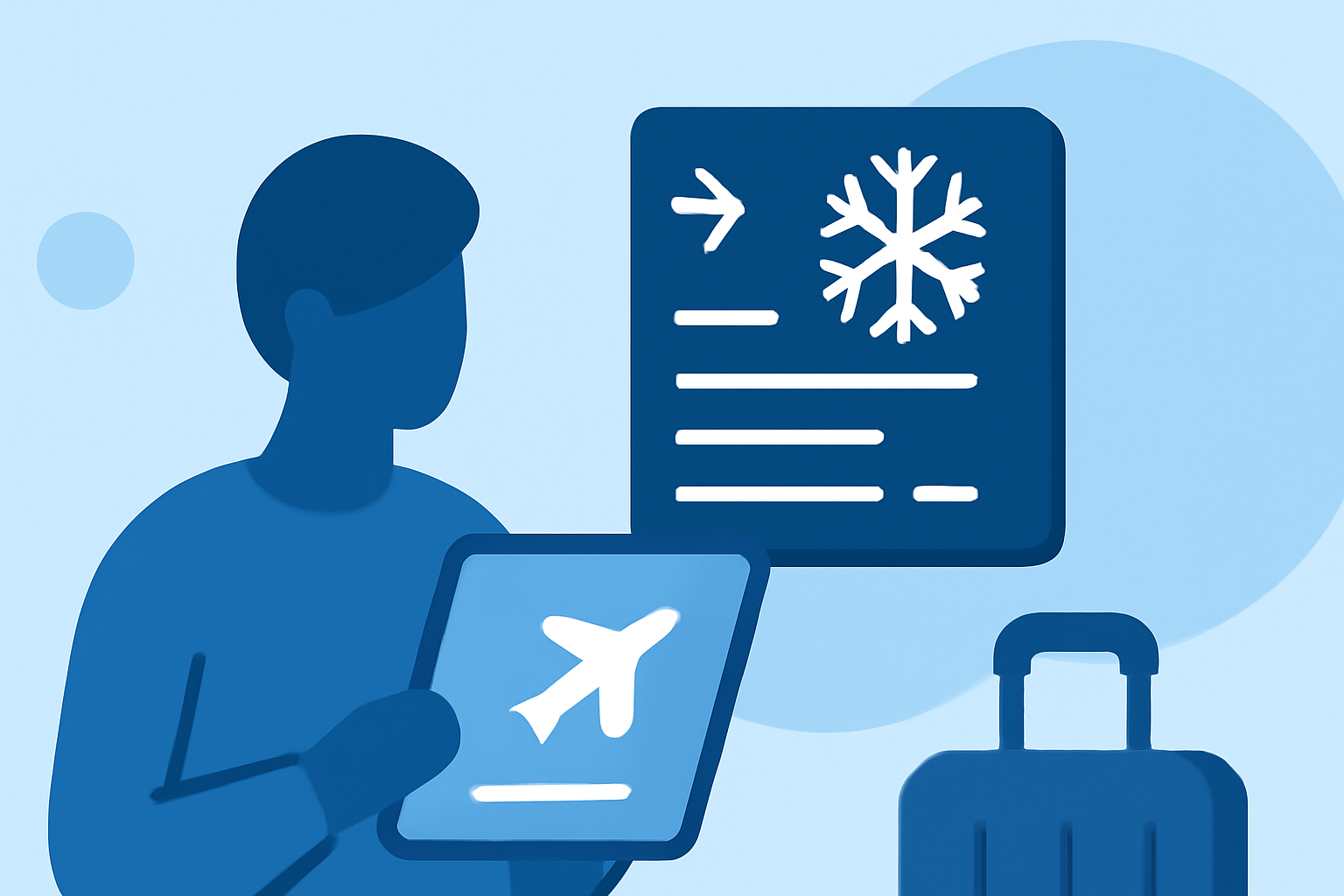
Winter travel poses unique challenges, especially when it comes to flight connections. Severe weather conditions can lead to delays, cancellations, and increased risks of missed connections. Understanding these risks and implementing effective strategies can significantly enhance your travel experience.
Understanding Winter Flight Delays
Winter storms can severely impact flight operations. Snow, ice, and low visibility can lead to runway closures, de-icing procedures, and air traffic control restrictions, all contributing to delays and cancellations. For instance, in December 2025, a major winter storm in the Northeast United States caused widespread flight disruptions, affecting airports like John F. Kennedy International Airport (JFK) and Newark Liberty International Airport (EWR). (adept.travel)
Risks of Tight Flight Connections in Winter
Tight connections during winter months increase the likelihood of missed flights due to unforeseen delays. Airports may experience congestion, longer de-icing times, and slower boarding processes. Travelers are advised to allow for longer layovers to accommodate these potential delays. (washingtonpost.com)
Strategies to Mitigate Connection Risks
-
Opt for Nonstop Flights: Whenever possible, choose direct flights to eliminate the risk associated with connecting flights. Nonstop routes are less susceptible to cascading delays caused by missed connections. (tripit.com)
-
Choose Connection Cities Wisely: Select layover airports known for efficient operations during winter months. Some airports are better equipped to handle winter weather, reducing the chances of delays. (travelersunited.org)
-
Allow Ample Layover Time: Aim for longer layovers, especially during winter, to account for potential delays. A minimum of 90 minutes is recommended for domestic connections, and more for international ones. (washingtonpost.com)
-
Monitor Weather Forecasts: Stay updated on weather conditions at your departure and arrival airports. Tools like FlySafe provide real-time flight tracking and safety assessments. (flysafe.zone)
-
Consider Booking Separate Tickets Carefully: If booking flights on separate tickets, be aware that airlines may not assist with rebooking if you miss a connection. Ensure you have sufficient time between flights and understand the risks involved. (dofmar.com)
Leveraging Technology for Real-Time Updates
Utilize flight tracking services to receive real-time updates on your flight status. Platforms like Flightradar24 and FlightAware offer live tracking, helping you stay informed about any changes or delays. (flysafe.zone)
Conclusion
Winter travel requires proactive planning to mitigate the risks associated with flight connections. By understanding potential challenges and implementing the strategies outlined above, you can enhance your travel experience and reduce the likelihood of disruptions.
For a more seamless travel experience, consider using Planes Live, a comprehensive flight tracking and management tool that offers real-time updates and detailed flight information.
Highlights:
- Why Is It Unsafe To Fly In A Winter Storm? | Weather.com, Published on Friday, November 21
- Northeast Winter Storm Flight Delays Raise Misconnect Risk, Published on Tuesday, December 23