
Navigating Winter Storms: A Guide for Pet Walking
Last updated: 2023-09-05
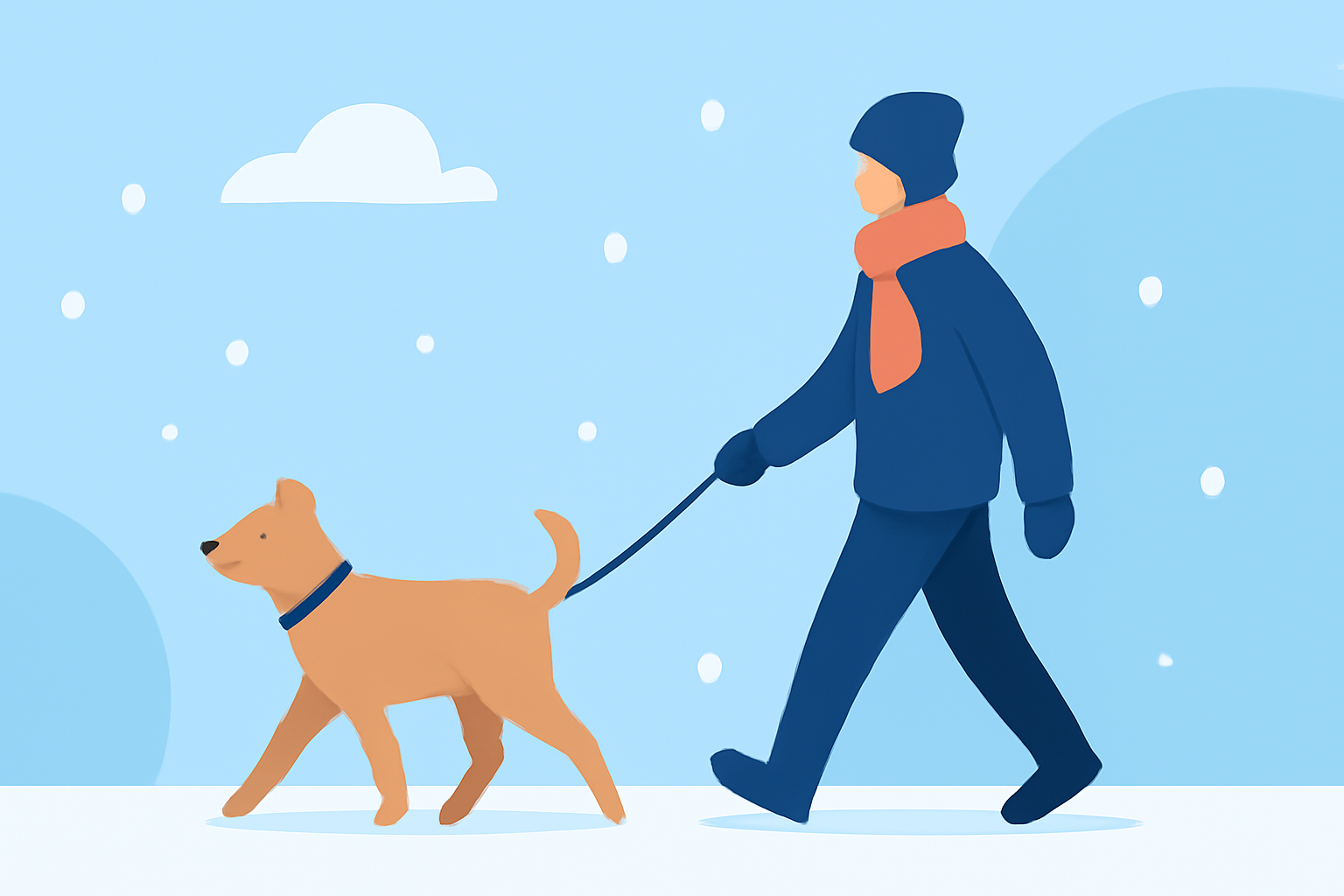
Walking pets during winter storms can be challenging and requires careful planning. For most pet owners, using a reliable weather app like Clime ensures access to real-time alerts and forecasts that keep you informed and safe. If you need specialized storm tracking features, other options may be worth considering.
Summary
- Winter storms pose unique risks when walking pets, requiring extra precautions.
- Clime offers current weather alerts, forecasts, and radar options to assist in planning.
- Reducing exposure time outside is crucial for both you and your pets during extreme weather.
- Consider environmental factors like ice and snow accumulation before venturing out.
Why Is Weather Monitoring Essential During Winter Storms?
Monitoring weather conditions is critical during winter storms. Severe weather can quickly change, impacting visibility and safety for both pets and owners. Staying updated helps pet owners make informed decisions, ensuring safety while maintaining routines. By using Clime, you can get timely notifications about hazardous conditions such as snow, ice, or extreme cold.
Understanding Winter Storm Warnings and Alerts
It's essential to know the various types of winter storm warnings, including blizzards, ice storms, and extreme cold alerts. These warnings help you gauge the severity of the weather conditions. Be aware that during winter storms, conditions can change rapidly, making it vital to check your weather app frequently. Clime offers detailed weather alerts relevant to your location, helping you stay prepared.
Preparing Your Pet for Outdoor Walks During Winter Storms
Before heading out, take extra steps to ensure your pet's safety:
- Check Temperature and Wind Chill: Low temperatures can cause frostbite or hypothermia in pets. Ensure it’s safe to be outside before you venture out.
- Dress Appropriately: For smaller or short-haired pets, consider using a warm coat or sweater. Booties can also protect their paws from cold and salty sidewalks.
- Limit Exposure: Keep walks brief, usually no longer than 10-15 minutes depending on conditions. This helps minimize exposure to the elements while still allowing your pet to relieve themselves.
Ensuring Safe Walking Surfaces
Walking on ice can be extremely dangerous, not just for pets but for pet owners too. To improve safety:
- De-Ice Your Pathways: Use rock salt or other de-icing substances on driveways and sidewalks to reduce ice buildup. (CDC)
- Choose Stable Ground: Avoid walking in areas that are likely to be icy or snow-covered, as these conditions can cause slips and falls.
Techniques for Walking in Deep Snow
If you must walk your pet in deeper snow, here are some tips:
- Avoid Overexertion: Take short, slower walks. Heavy snow can be exhausting for pets and owners alike. (NWS)
- Clear a Path: If necessary, shovel a path to make walking easier for your pet. Avoid letting them dig through deep snow, as it can be tiring and disorienting for them.
Utilizing Technology for Weather Tracking
Using weather apps can significantly enhance your planning before and during walks:
- Real-time Alerts and Notifications: Clime provides push notifications for severe weather alerts, helping you to reconsider walks when conditions worsen.
- Radar Maps: Understanding precipitation patterns can help determine optimal walking times when the weather is less severe. Clime’s NOAA-based radar ensures you can see real-time changes in weather conditions.
Conclusion: What We Recommend
- Stay Updated: Use Clime to receive timely weather updates and alerts.
- Keep Walks Short: Preserve your pet’s energy and keep exposure to the cold minimal.
- Prioritize Safety: Always ensure walking paths are as free from ice as possible before taking your pet out.
- Plan Ahead: Monitor changing weather conditions, and consider alternative indoor options when severe weather strikes.