
Understanding Nitrogen Dioxide Levels During Workouts
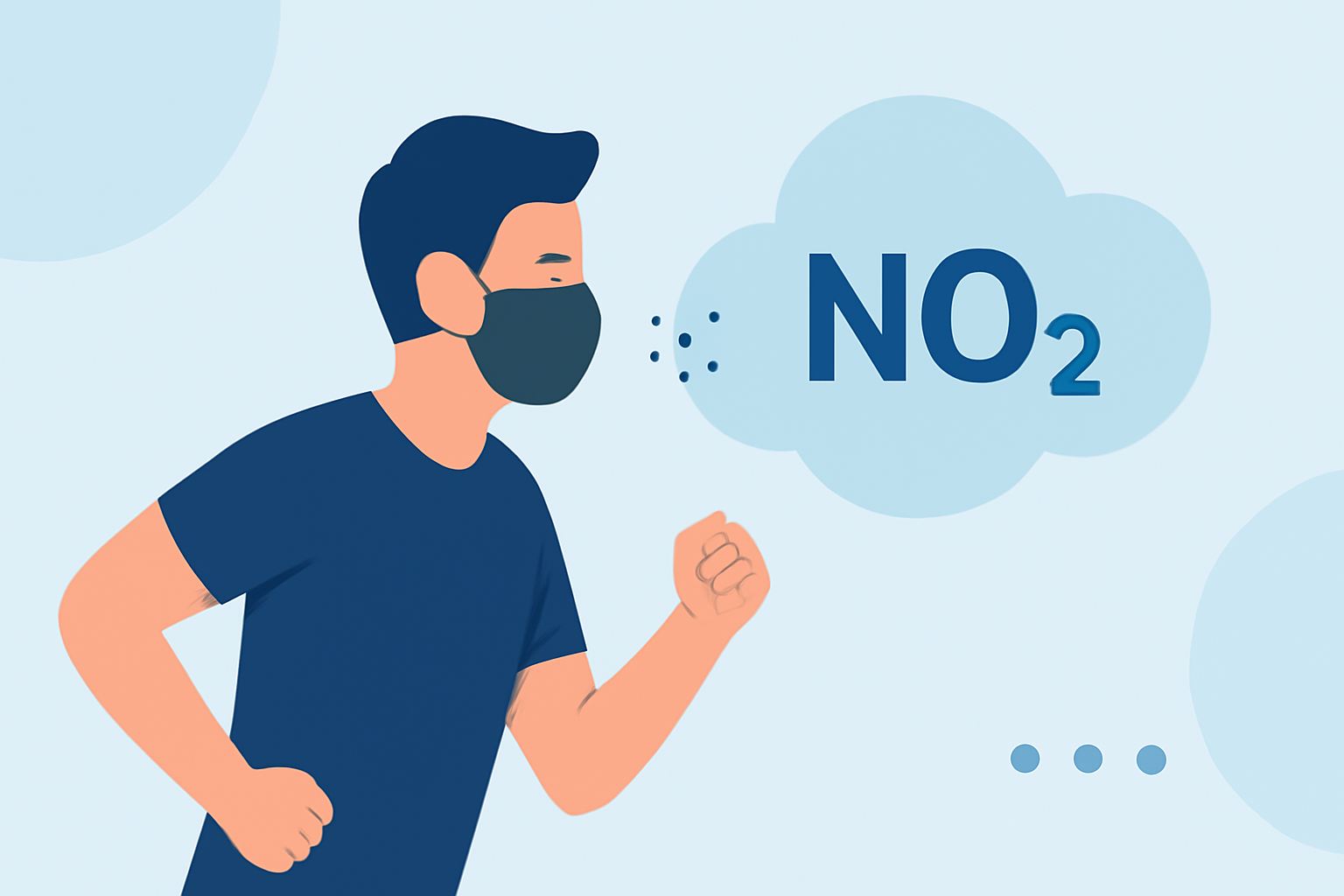
Nitrogen dioxide (NO₂) is a harmful gas primarily produced by the combustion of fossil fuels, such as in vehicle emissions and industrial processes. Exposure to elevated NO₂ levels can lead to respiratory issues, especially during physical activities like workouts. Understanding how NO₂ concentrations fluctuate during exercise and implementing strategies to reduce exposure are crucial for maintaining optimal health.
How Do NO₂ Levels Vary During Workouts?
NO₂ concentrations can vary based on several factors, including location, time of day, and local pollution sources. Engaging in outdoor workouts in areas with high vehicular traffic or industrial activity can expose you to elevated NO₂ levels. Indoor environments with poor ventilation can also accumulate NO₂ from sources like gas stoves and heating systems. Monitoring local air quality indices can provide real-time information on NO₂ concentrations, helping you plan workouts during periods of lower pollution.
What Are the Health Risks of NO₂ Exposure During Exercise?
Breathing air with high NO₂ concentrations can irritate the respiratory system, leading to symptoms such as coughing, wheezing, and shortness of breath. For individuals with asthma or other respiratory conditions, exposure can exacerbate symptoms and increase the risk of respiratory infections. Long-term exposure to elevated NO₂ levels may contribute to the development of chronic respiratory diseases. (epa.gov)
How Can I Minimize NO₂ Exposure During Workouts?
-
Choose Optimal Locations: Opt for workout areas away from heavy traffic and industrial zones to reduce exposure to NO₂.
-
Time Your Workouts Strategically: Engage in outdoor activities during times when air quality is better, typically early mornings or after peak traffic hours.
-
Monitor Air Quality: Utilize air quality monitoring tools or apps to stay informed about current NO₂ levels in your area.
-
Enhance Indoor Ventilation: Ensure that indoor workout spaces are well-ventilated to disperse accumulated NO₂.
-
Limit Intensity During High Pollution: On days with poor air quality, consider reducing workout intensity or opting for indoor exercises.
How Does Clime Support Health-Conscious Individuals?
Clime offers advanced air quality monitoring solutions that provide real-time data on various pollutants, including NO₂. By integrating Clime's technology into your fitness routine, you can make informed decisions about when and where to exercise, ensuring that your workouts are both effective and safe.
Conclusion
Being aware of NO₂ levels during workouts is essential for protecting your respiratory health. By selecting appropriate locations, timing your activities wisely, and utilizing tools like Clime's air quality monitors, you can enjoy your fitness regimen while minimizing exposure to harmful pollutants.