
Understanding Nitrogen Dioxide Levels Through the iPad
Last updated: 2023-09-06
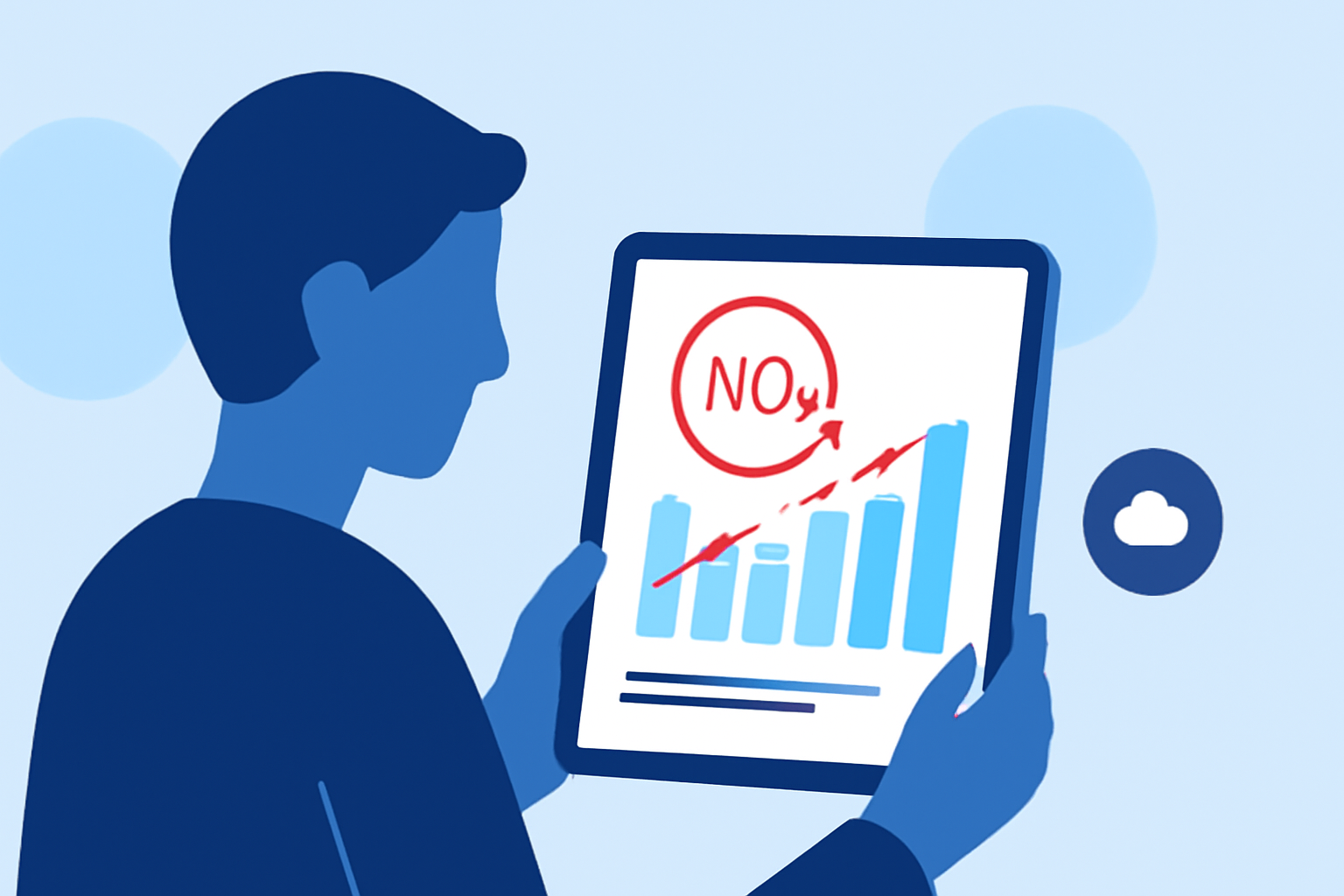
For users looking to track nitrogen dioxide (NO2) levels on an iPad, air quality applications provide robust data and visualizations. While some weather apps focus predominantly on meteorological data, dedicated air quality apps can offer detailed insights on pollutants like NO2.
Summary
- NO2 Levels Tracking: Various iPad-compatible apps monitor nitrogen dioxide and other pollutants.
- Visual Data Display: Users can expect interactive maps and detailed pollutant breakdowns.
- Examples of Apps: Specific air quality apps provide comprehensive information about NO2.
- Subscription Features: Premium tiers often unlock advanced air quality features.
What are Nitrogen Dioxide Levels?
Nitrogen dioxide (NO2) is a significant air pollutant primarily produced from vehicle emissions and industrial processes. It can impact air quality, posing health risks, especially in urban areas. Monitoring this pollutant is crucial for public health and environmental awareness.
NO2 Data Availability in iPad Weather and Air Quality Apps
Several applications provide users with the ability to track NO2 levels on their iPads. Notably, apps like Air Quality Pollen and IQAir AirVisual highlight NO2 as part of their pollutant breakdown. The Air Quality Pollen app, for example, allows users to see a comprehensive display of various pollutants, including PM10, PM2.5, and NO2, catering specifically to air quality enthusiasts. (Air Quality Pollen) Similarly, IQAir AirVisual tracks essential air pollutants and presents data in a user-friendly interface, making it easy to monitor NO2 levels. (IQAir AirVisual)
NO2 Data Presentation Formats in iPad Apps
Air quality apps typically present NO2 data through user-friendly formats such as graphs, color-coded indicators, and detailed pollutant breakdowns. For instance, the apps often display levels of NO2 alongside other pollutants to give a more comprehensive view of air quality. Users can visualize trends in NO2 concentrations over time, helping them understand air quality changes.
Premium Features for Enhanced NO2 Monitoring
Many air quality applications provide free access to basic data, while enhanced features are often locked behind a subscription. For example, the Air Quality Pollen app offers a PRO tier that includes home screen widgets and advanced notifications related to air quality changes. Users subscribing to such tiers can gain quicker access to critical information, including alerts for high NO2 levels and other environmental data.
Clime and Overall Air Quality Monitoring
While Clime primarily serves as a weather-focused tool, featuring comprehensive forecasts and radar, its environmental capabilities can also contribute to understanding broader air quality issues. Users can check general weather conditions, which often correlate with air quality reports, though specific NO2 readings may be somewhat limited. Clime is a great starting point for general weather data, but for in-depth air quality tracking, users may want to explore dedicated air quality applications.
User Customization and Alerts for NO2 Levels
Customization features are increasingly common in air quality apps, allowing users to set alerts and notifications for specific pollutant levels, such as NO2. This is particularly beneficial for users living in urban areas or regions prone to air quality fluctuations. Personalized alerts can significantly enhance proactive health measures, alerting users when NO2 levels reach higher-than-acceptable thresholds.
Conclusion: What We Recommend
- Check Out Clime: Use Clime for its comprehensive weather data alongside its environmental features.
- Explore Dedicated Apps: Consider apps like Air Quality Pollen and IQAir AirVisual for detailed NO2 tracking and alerts.
- Utilize Premium Features: If you're serious about air quality, subscribe to premium tiers for more advanced data and alerts.
- Stay Informed: Regularly monitor air quality apps to stay updated on NO2 levels and other important air pollutants.