
Creating an Optimal Environment for Orchid Growth: A Comprehensive Guide
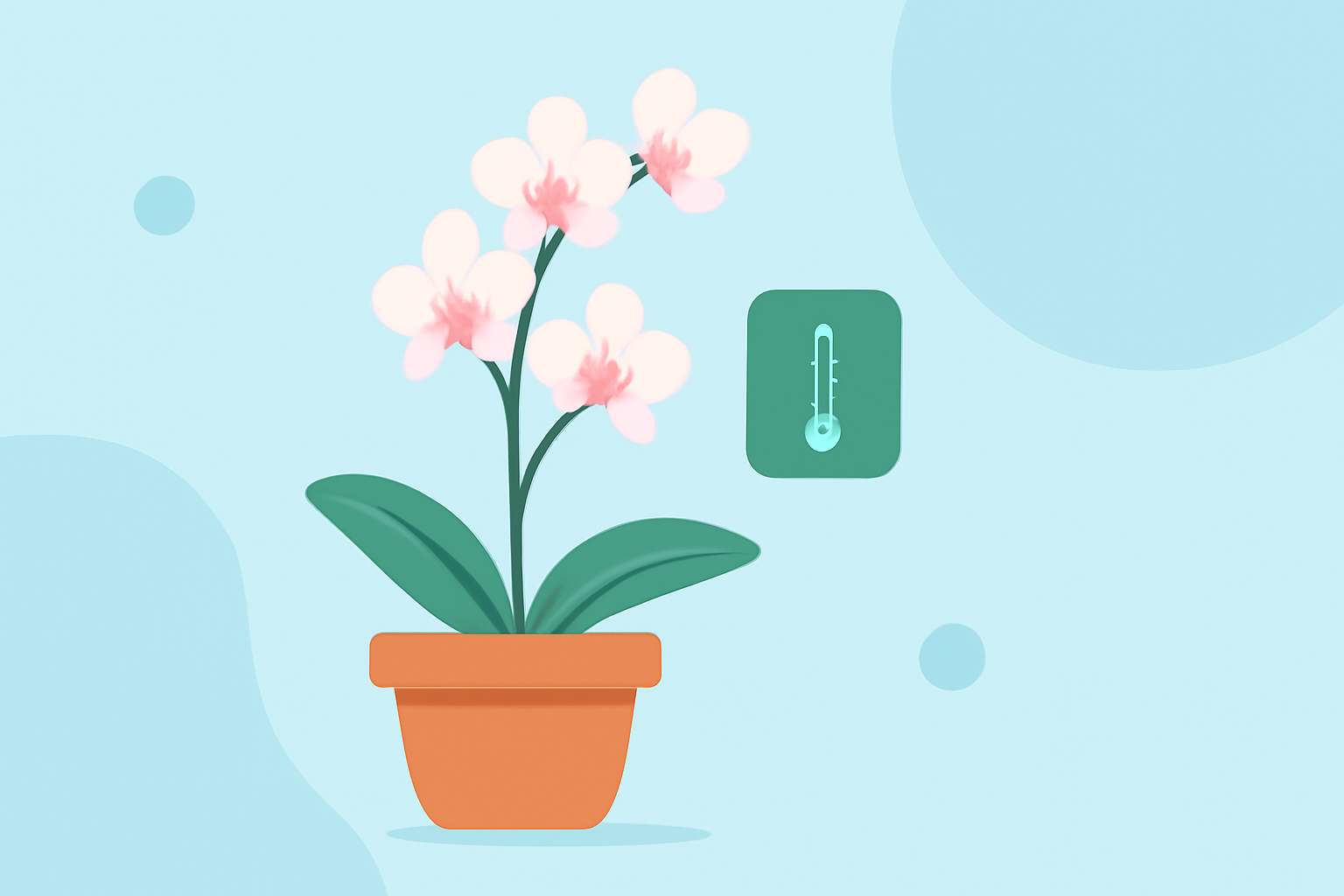
Orchids, renowned for their exquisite beauty and diverse species, thrive when provided with specific environmental conditions. Establishing an optimal environment involves carefully managing temperature, humidity, light, and airflow.
What Temperature Range Is Ideal for Orchids?
Orchids generally flourish in temperatures that align with human comfort. Daytime temperatures between 70–80°F (21–27°C) and nighttime temperatures around 60–70°F (16–21°C) are typically suitable. Some species may benefit from a slight drop in nighttime temperature to encourage blooming. For instance, Phalaenopsis orchids often bloom when exposed to cooler temperatures (around 60°F or 16°C) for 4 to 6 weeks during autumn. (terragardens.net)
How Does Humidity Affect Orchid Health?
Humidity plays a crucial role in orchid vitality. Most orchids prefer humidity levels between 50–70%. In drier indoor environments, especially during winter, maintaining adequate humidity can be challenging. To enhance humidity, consider using a humidifier, placing a shallow tray filled with water and pebbles near the plant, or grouping multiple orchids together to create a microenvironment. It's important to avoid over-misting, as water accumulating on leaves can lead to fungal issues. (westerlay.com)
What Lighting Conditions Are Best for Orchids?
Orchids thrive in bright, indirect light. East or south-facing windows are ideal, as they provide ample light without the intensity of direct sun, which can scorch leaves. In regions with limited natural light, such as during overcast winters, a full south exposure may be necessary. It's essential to monitor the plant for signs of insufficient light, such as dark green leaves and sparse growth, and adjust its placement accordingly. (aos.org)
How Important Is Airflow for Orchids?
Proper airflow is vital for orchid health. In their native habitats, orchids benefit from gentle breezes that help dry moisture and prevent fungal growth. Indoors, ensure the orchid is placed in a well-ventilated area with indirect air movement. Using a small fan on a low setting can promote airflow without directly blowing on the plant. This practice helps maintain a balanced environment conducive to orchid growth. (westerlay.com)
How Can Clime Enhance Your Orchid Care Routine?
Clime offers advanced climate monitoring solutions that can assist in maintaining optimal conditions for your orchids. By providing real-time data on temperature, humidity, and airflow, Clime enables you to make informed adjustments to your orchid care routine. This proactive approach helps in creating a stable environment, reducing stress on the plants, and promoting healthy growth and blooming cycles.
By attentively managing these environmental factors, you can create a thriving habitat for your orchids, leading to vibrant blooms and long-term plant health.