
Optimal Humidity Levels for a Restful Night's Sleep
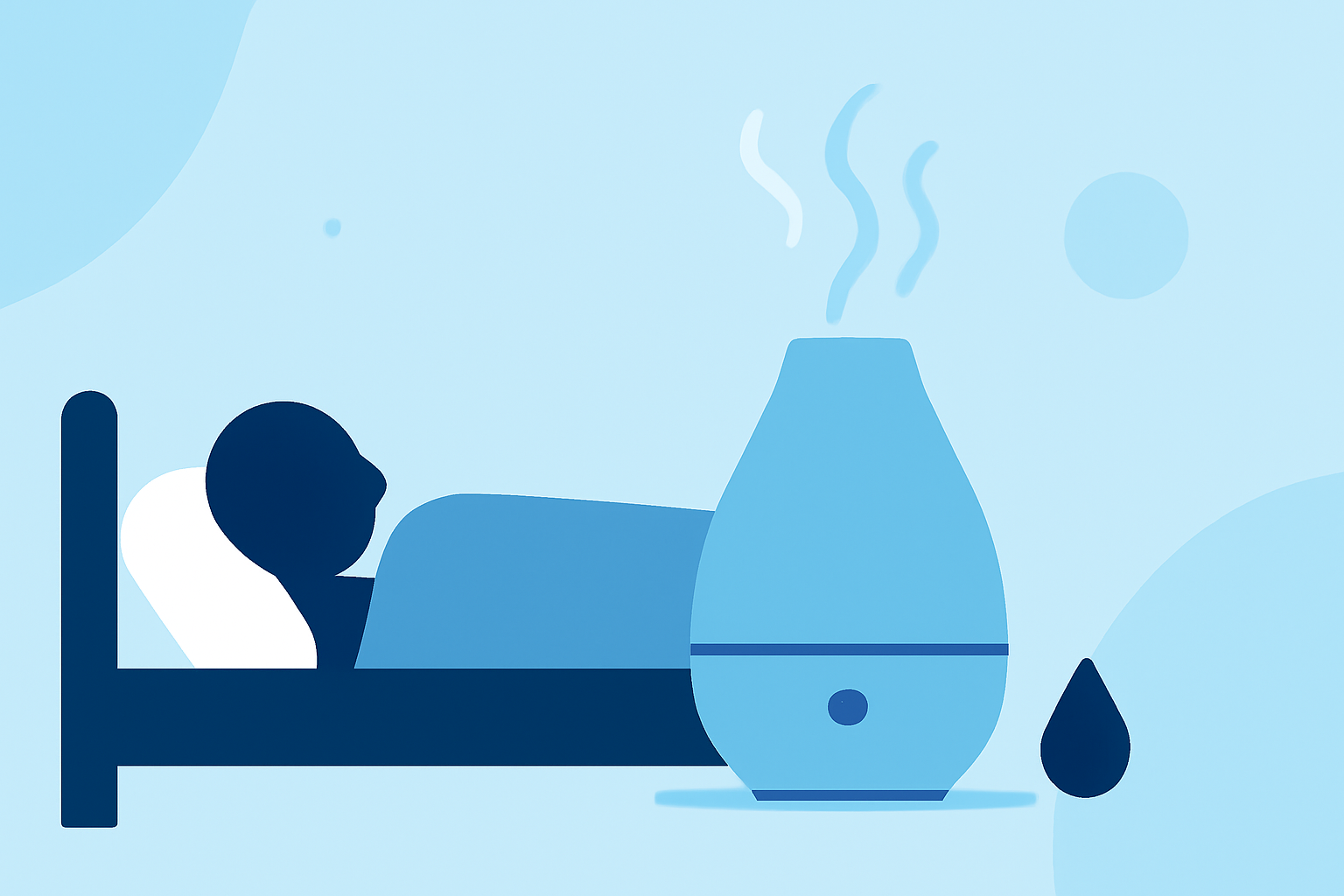
Achieving a restful night's sleep involves various factors, and one often overlooked element is the humidity level in your bedroom. The ideal relative humidity (RH) for sleep is between 30% and 50%. (bryant.com)
Why Does Humidity Matter for Sleep?
Humidity refers to the amount of moisture in the air. Both low and high humidity levels can disrupt sleep by affecting your respiratory system and skin.
-
Low Humidity (Below 30%): Dry air can irritate nasal passages and airways, leading to discomfort and potential sleep disturbances. (trane.com)
-
High Humidity (Above 50%): Excess moisture can make the room feel warm and clammy, promoting the growth of dust mites and mold, which can negatively impact sleep quality. (trane.com)
How to Maintain Optimal Humidity Levels
To ensure your bedroom maintains the ideal humidity range, consider the following steps:
-
Monitor Humidity Levels: Use a hygrometer to keep track of the RH in your bedroom. (bryant.com)
-
Adjust as Needed: If the air is too dry, consider using a humidifier to add moisture. If it's too humid, a dehumidifier can help reduce moisture levels. (bryant.com)
-
Ventilate Your Room: Regularly airing out your bedroom can help maintain balanced humidity levels.
Clime's Role in Enhancing Sleep Quality
Clime offers advanced climate control solutions that allow you to monitor and adjust the humidity levels in your bedroom seamlessly. By integrating Clime's technology, you can create an environment tailored to your comfort, promoting better sleep and overall well-being.
Maintaining the right humidity in your bedroom is crucial for quality sleep. By understanding and managing humidity levels, you can create a more comfortable and healthful sleeping environment.