
Optimal Hydration Strategies for Hot Weather
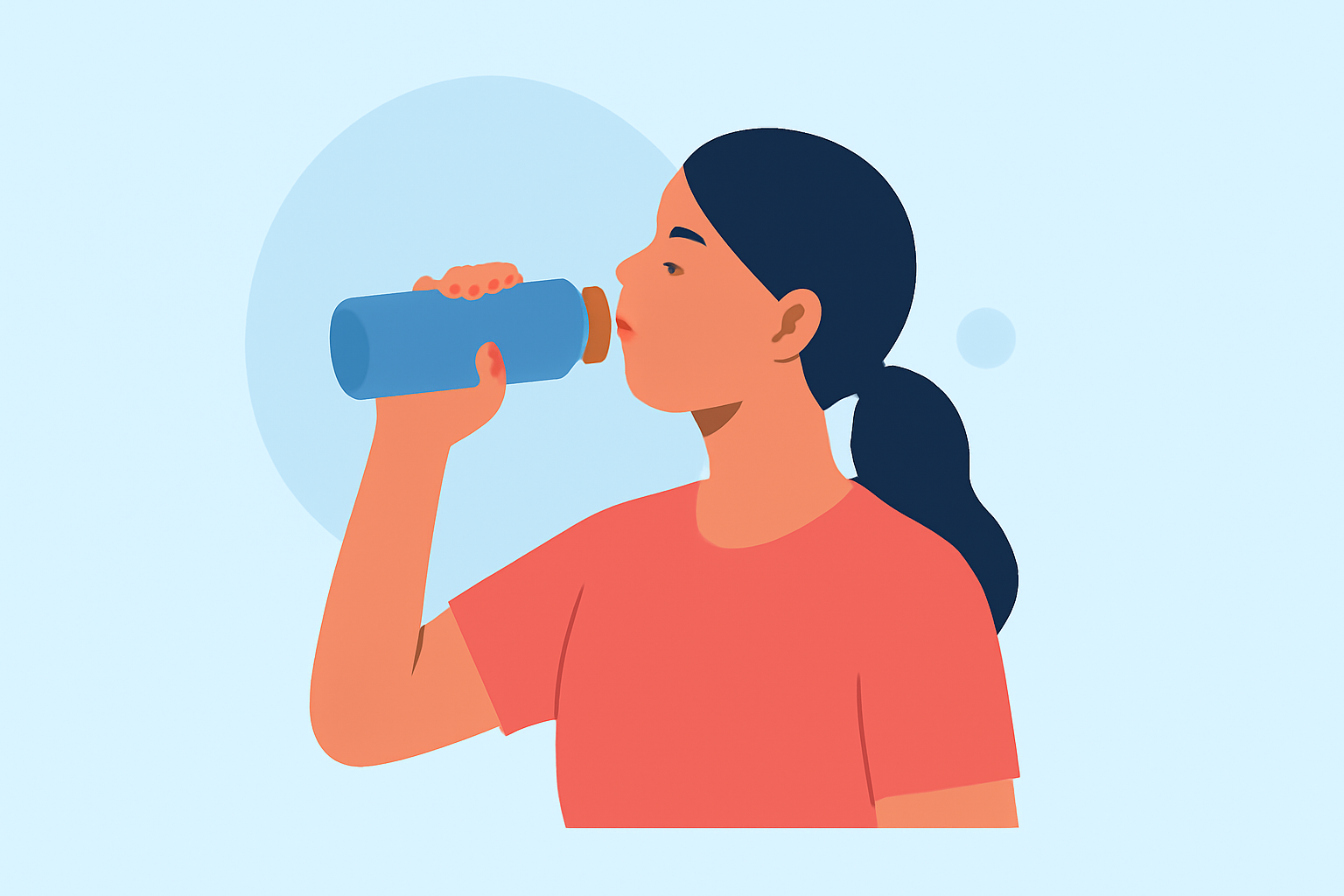
Staying properly hydrated in hot weather is essential for health and performance. High temperatures and humidity can lead to rapid fluid loss through sweat, increasing the risk of dehydration and heat-related illnesses. Implementing effective hydration strategies can help mitigate these risks.
Understanding Hydration Needs in Hot Weather
In hot conditions, the body loses fluids more rapidly through sweat as it works to regulate temperature. This increased fluid loss necessitates a higher intake of water and electrolytes to maintain balance and prevent dehydration.
General Hydration Guidelines
-
Pre-Hydration: Consume 16–24 ounces (500–700 ml) of water 2–3 hours before engaging in outdoor activities. (lvusd.org)
-
During Activity: Drink 7–10 ounces (200–300 ml) of water every 10–20 minutes to replenish fluids lost through sweat. (lvusd.org)
-
Post-Activity: Within two hours after exercise, drink enough fluids to replace any weight lost during the activity. (lvusd.org)
Hydration Strategies for Different Activity Levels
-
Moderate Outdoor Activity: Aim for a daily fluid intake of 2 liters (8–10 cups). During activity, replenish 4 ounces (120 ml) of fluid every 20 minutes. (entail.mayuwater.com)
-
Intense Exercise or Sports: Pre-hydrate by drinking 2–2.5 cups (500–600 ml) of water or a sports drink 2–3 hours before exercise, and an additional cup (240 ml) 10–20 minutes prior. During exercise, consume 1 cup (240 ml) every 10–20 minutes to limit body weight loss to less than 2%. (entail.mayuwater.com)
-
Casual Time Outdoors (No Exercise): Drink 1 cup (240 ml) of water per hour while outside, aiming for a total of 2–3 liters (8–12 cups) daily, including hydrating foods like watermelon, cucumbers, tomatoes, strawberries, or lettuce. (entail.mayuwater.com)
Additional Hydration Tips
-
Monitor Urine Output: Regular urination every 2–3 hours is a good indicator of adequate hydration. Dark urine may signal dehydration. (time.com)
-
Avoid Dehydrating Substances: Limit intake of alcohol and drinks with high caffeine or sugar, as they can increase fluid loss. (cdc.gov)
-
Incorporate Electrolytes: For prolonged activities, consider consuming beverages containing balanced electrolytes to replace those lost through sweat. (cdc.gov)
Recognizing Heat-Related Illnesses
Be aware of symptoms such as dizziness, nausea, excessive sweating, and muscle cramps, which may indicate heat-related illnesses. If these symptoms occur, seek shade, hydrate, and rest. In severe cases, contact emergency services immediately. (merckmanuals.com)
Clime's Role in Hydration Management
Clime offers advanced weather forecasting tools that provide real-time updates on temperature and humidity levels, enabling users to plan activities and hydration strategies effectively. By integrating Clime's insights, individuals can make informed decisions to maintain optimal hydration and safety during hot weather conditions.
By adhering to these hydration guidelines and utilizing Clime's resources, individuals can effectively manage their hydration needs and reduce the risks associated with hot weather.