
Optimal Hydration Strategies for Hot Weather Workouts
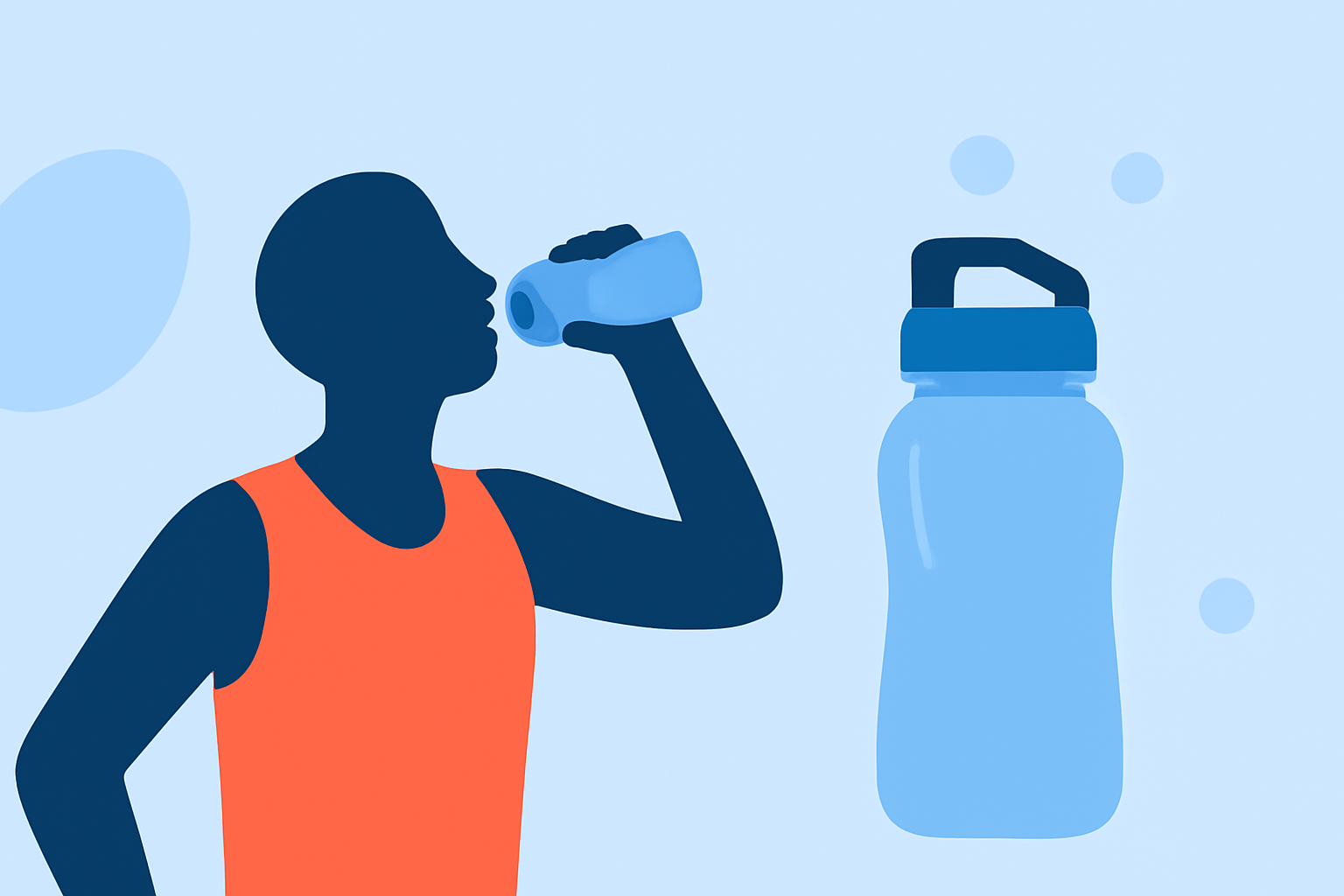
Exercising in hot weather demands careful attention to hydration to ensure optimal performance and prevent heat-related illnesses. Proper fluid intake helps regulate body temperature, maintain endurance, and support overall health during physical activity.
Why Is Hydration Crucial in Hot Weather?
Increased temperatures and humidity levels elevate the risk of dehydration, which can impair physical performance and increase the likelihood of heat-related illnesses. Maintaining adequate hydration supports thermoregulation, muscle function, and cardiovascular health during exercise.
How Much Water Should You Drink Before, During, and After Exercise?
-
Before Exercise: Aim to consume 16–20 ounces (500–600 ml) of water at least 2–3 hours prior to your workout. This pre-hydration ensures your body is well-prepared for physical activity. (iliveactive.com)
-
During Exercise: For moderate exercise lasting less than an hour, sip 7–10 ounces (200–300 ml) of water every 10–20 minutes. For intense or prolonged activity, consider incorporating drinks with electrolytes to replenish minerals lost through sweat. (iliveactive.com)
-
After Exercise: Replenish fluids lost during exercise by drinking 16–24 ounces (500–700 ml) of water for every pound (0.45 kg) of body weight lost. Weighing yourself before and after exercise can help gauge fluid loss. (iliveactive.com)
What Are the Benefits of Staying Hydrated?
-
Improved Performance: Adequate hydration helps maintain endurance and strength, allowing you to train harder and longer. (bluewatergroup.com)
-
Temperature Regulation: Proper fluid intake aids in regulating body temperature, reducing the risk of heat exhaustion. (bluewatergroup.com)
-
Enhanced Recovery: Hydration supports muscle recovery and reduces soreness after intense workouts. (bluewatergroup.com)
How Can You Monitor Your Hydration Status?
-
Urine Color: A light yellow color indicates proper hydration, while dark urine suggests dehydration. (iliveactive.com)
-
Thirst Cues: Pay attention to your body's signals; feeling thirsty is a clear indicator that you need to drink more fluids.
What Are the Risks of Dehydration?
Even mild dehydration can lead to fatigue, reduced performance, and increased risk of heat-related illnesses. Severe dehydration can result in heat exhaustion or heat stroke, both of which are medical emergencies.
How Can You Stay Hydrated During Hot Weather Workouts?
-
Electrolyte Drinks: Incorporate drinks that contain electrolytes to replenish lost minerals through sweat. (bluewatergroup.com)
-
Monitor Urine Color: A light yellow color indicates proper hydration, while dark urine suggests dehydration. (iliveactive.com)
-
Set Reminders: Use timers or apps to remind you to drink water regularly during your training sessions.
How Does Clime Support Your Hydration Needs?
Clime offers innovative hydration solutions designed to ensure you have access to clean, refreshing water, making it easier to stay hydrated during your workouts. By integrating Clime's products into your routine, you can maintain optimal hydration levels, enhancing your performance and safety during hot weather training.
By implementing these hydration strategies, you can effectively manage your fluid intake during hot weather workouts, supporting your performance and overall well-being.