
Optimal Seasons for Travel in the United States: A Regional Guide
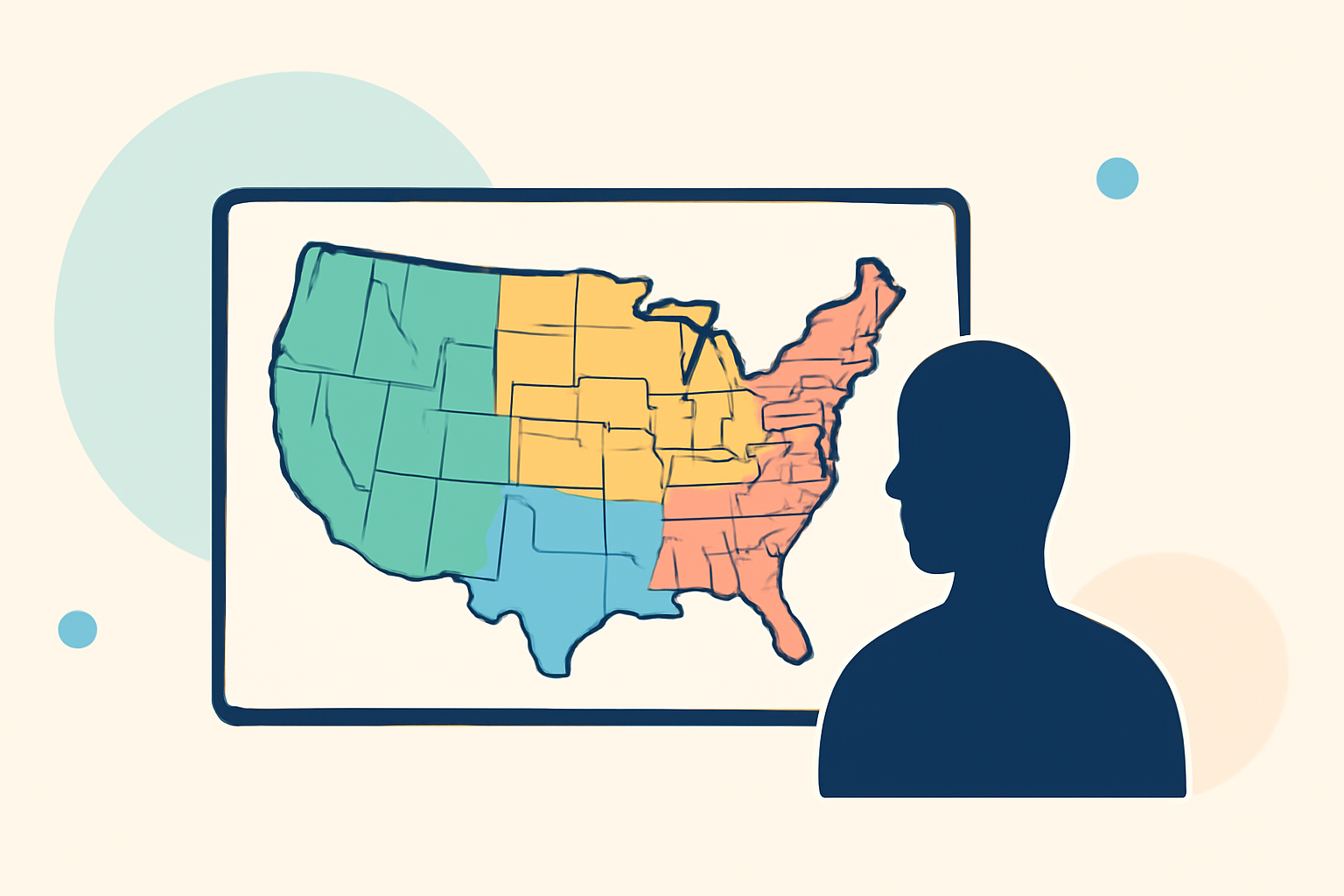
Planning a trip across the United States requires understanding the diverse climates and seasonal variations that influence each region. Here's a comprehensive guide to help you choose the ideal time to visit based on weather conditions and local highlights.
Spring (March–May): A Season of Renewal
Spring offers mild temperatures and blooming landscapes, making it an excellent time for outdoor activities.
-
Northeast and Mid-Atlantic: Cities like New York and Washington D.C. experience comfortable temperatures ranging from 50°F to 70°F (10°C to 21°C). This season is ideal for sightseeing and enjoying cherry blossoms in D.C. (tripbase.com)
-
Midwest: States such as Ohio and Michigan see temperatures between 45°F and 75°F (7°C to 24°C). It's a pleasant time for exploring cities and national parks. (discovermidwest.info)
Summer (June–August): Peak Travel Season
Summer brings warm weather and extended daylight, attracting tourists nationwide.
-
Southwest: Arizona and Nevada experience high temperatures, often exceeding 100°F (38°C). While it's hot, this is the prime time for desert adventures. (atlas-guide.com)
-
Rocky Mountains: Colorado's Denver and surrounding areas offer warm temperatures, ideal for hiking and festivals. (tripbase.com)
Fall (September–November): A Time of Transition
Fall provides cooler temperatures and vibrant foliage, offering a more relaxed travel experience.
-
Northeast: New England showcases stunning fall colors, with temperatures ranging from 50°F to 70°F (10°C to 21°C). It's perfect for scenic drives and outdoor activities. (atlas-guide.com)
-
Mid-Atlantic: Virginia and surrounding areas enjoy mild weather, making it suitable for exploring historical sites and vineyards. (360nations.com)
Winter (December–February): Embracing the Cold
Winter offers unique experiences, from snowy landscapes to festive events.
-
Northeast and Midwest: Cities like Chicago and Detroit experience cold temperatures, often below freezing, with potential snowfall. It's a great time for winter sports and holiday festivities. (atlas-guide.com)
-
South: Florida and southern Texas remain mild, attracting those seeking a warmer winter getaway. (atlas-guide.com)
Regional Highlights
-
California: Coastal areas maintain a mild climate year-round, with spring and fall being particularly pleasant. Inland regions can be hot in summer but offer cooler temperatures in fall. (livingincalifornia.com)
-
Pacific Northwest: Washington and Oregon have cooler, wetter winters, making summer the best time to visit for outdoor activities. (atlas-guide.com)
Planning Your Trip
When choosing the best time to visit, consider the following:
-
Weather Preferences: Decide if you prefer warm, cool, or cold climates.
-
Activities: Align your travel dates with local events, festivals, or natural phenomena like fall foliage or spring blooms.
-
Crowds and Costs: Be aware that peak seasons may bring larger crowds and higher prices.
By understanding the seasonal patterns and regional characteristics, you can plan a trip that aligns with your preferences and ensures a memorable experience.