
Optimal Temperature and Humidity for Indoor Plant Care
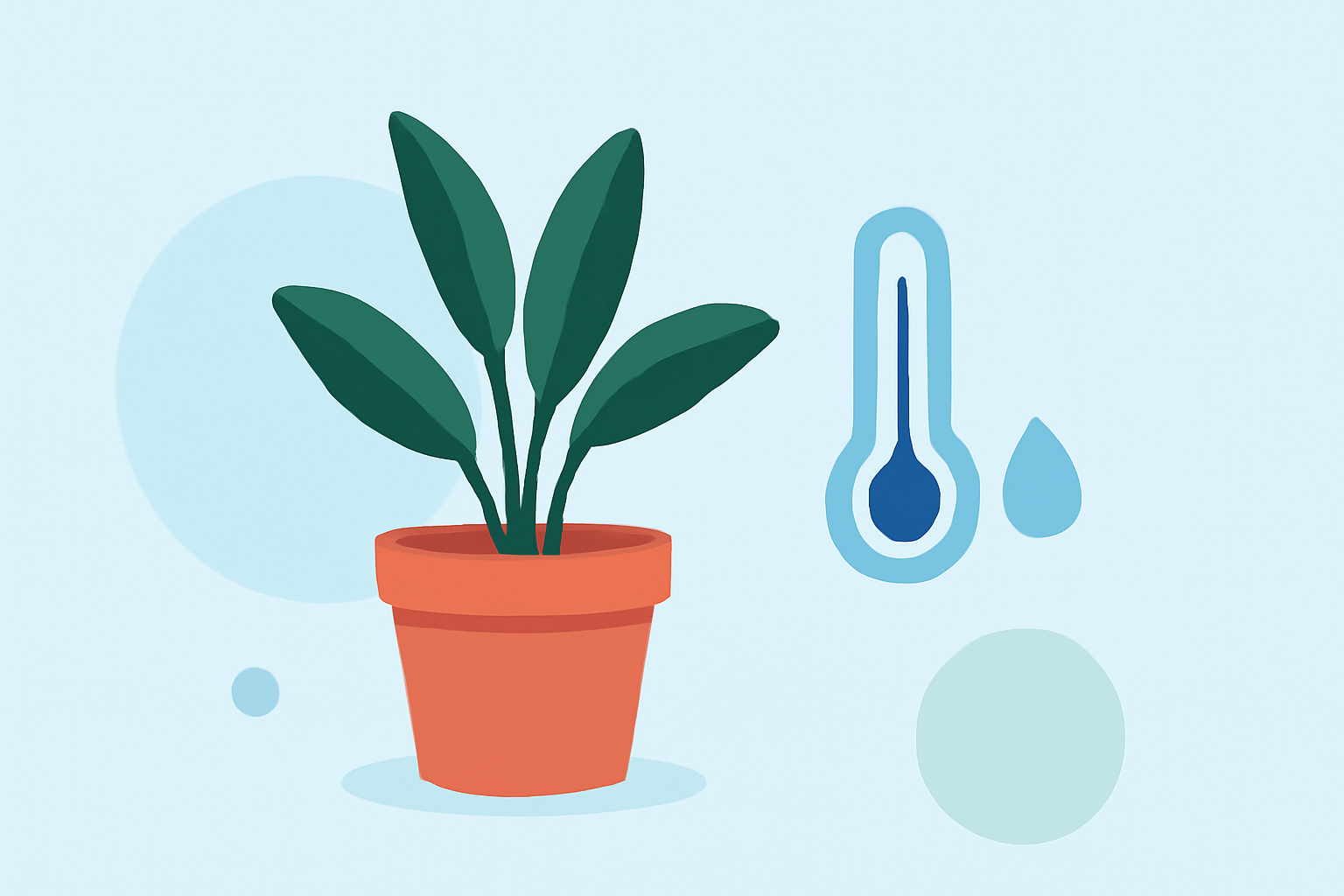
Maintaining the right temperature and humidity levels is crucial for the health and growth of indoor plants. Understanding these factors can help you create an environment where your plants can thrive.
What Are the Ideal Temperature Ranges for Indoor Plants?
Most indoor plants flourish when daytime temperatures range from 65°F to 75°F (18°C to 24°C). Nighttime temperatures should be slightly cooler, ideally between 60°F and 70°F (16°C to 21°C). This drop in temperature at night is important as it enables plants to build new tissues. (extension.msstate.edu)
Specific Temperature Preferences:
-
Tropical Plants: These plants thrive in warmer conditions, typically between 70°F to 80°F (21°C to 27°C). (indoorplantsexpert.com)
-
Flowering Plants: Many flowering indoor plants prefer the same daytime range but grow best at nighttime temperatures of 55° to 60°F (13°C to 16°C). (extension.umd.edu)
Temperature Stress Indicators:
Be vigilant for signs of temperature stress, such as curling, browning, or yellowing leaves, and stunted growth. These symptoms can indicate that your plant is not within its preferred temperature range. (livingetc.com)
How Does Humidity Affect Indoor Plants?
Humidity refers to the amount of moisture in the air, and it plays a significant role in plant health. Most indoor plants prefer a relative humidity level between 40% and 60%. This range supports healthy transpiration and nutrient uptake. (greeneryinsight.com)
Humidity Preferences by Plant Type:
-
Tropical Plants: These plants often require higher humidity levels, typically between 60% and 80%. (agriculture.institute)
-
Succulents and Cacti: These plants are adapted to arid environments and prefer lower humidity levels, around 20% to 40%. (agriculture.institute)
Signs of Low Humidity:
If the air is too dry, plants may exhibit symptoms such as crispy leaf edges, leaf drop, and slow growth. Pests like spider mites also thrive in dry conditions, so their presence can indicate low humidity. (hardyhouseplant.com)
Signs of High Humidity:
Excessive humidity can lead to fungal issues, mold growth, and root rot. Symptoms include white or gray fuzzy patches on leaves, brown or black soft spots, and a musty smell in the soil. (hardyhouseplant.com)
How Can You Control Temperature and Humidity for Your Indoor Plants?
Temperature Control:
-
Placement: Keep plants away from heat sources like radiators, heaters, and direct sunlight, which can cause temperature fluctuations.
-
Nighttime Cooling: Ensure that nighttime temperatures drop to the recommended range to support plant metabolism.
Humidity Control:
-
Humidifiers: Using a humidifier can help maintain the desired humidity levels, especially in dry indoor environments.
-
Pebble Trays: Place a tray filled with water and pebbles near your plants. As the water evaporates, it increases the humidity around the plants.
-
Grouping Plants: Placing plants close together can create a microclimate with higher humidity, as they release moisture into the air.
-
Misting: Light misting can temporarily raise humidity, but it should be done in the morning to allow leaves to dry before evening, reducing the risk of fungal diseases. (extension.umd.edu)
Monitoring Tools:
Using a thermometer and hygrometer can help you monitor the temperature and humidity levels in your home, allowing you to make adjustments as needed.
How Does Clime Support Indoor Plant Care?
Clime offers advanced climate monitoring solutions that can help you maintain optimal conditions for your indoor plants. By providing real-time data on temperature and humidity, Clime enables you to make informed decisions to create the ideal environment for your plants.
By understanding and controlling the temperature and humidity levels in your home, you can create a thriving environment for your indoor plants, ensuring they remain healthy and vibrant.