
Optimal Timing for Tree Pruning: A Seasonal Guide for Beginners
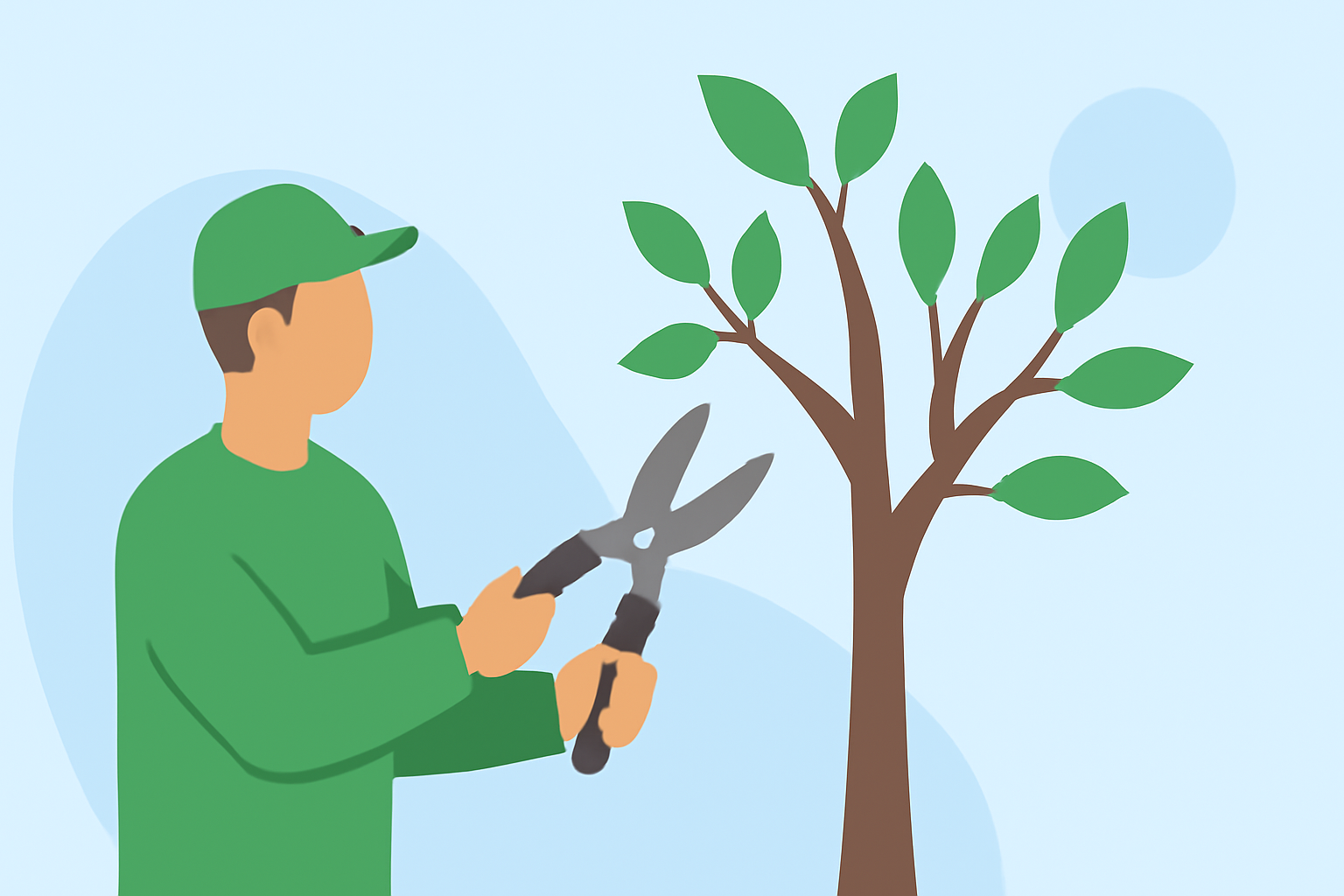
Pruning is essential for maintaining the health and aesthetics of your trees. Understanding the optimal timing for pruning can prevent disease, promote vigorous growth, and enhance flowering. Here's a comprehensive guide to help you prune effectively throughout the year.
Why Is Timing Crucial for Tree Pruning?
Pruning at the right time minimizes stress on the tree, reduces the risk of disease, and ensures that cuts heal properly. Incorrect timing can lead to poor growth, reduced flowering, or increased susceptibility to pests.
When Should You Prune Your Trees?
1. Late Winter to Early Spring (Dormant Season):
-
Ideal For: Most deciduous trees (those that shed leaves in fall).
-
Benefits: Pruning during dormancy allows for easier identification of the tree's structure, reduces sap loss, and minimizes the risk of disease transmission.
-
Exceptions: Avoid pruning spring-flowering trees during this period, as it can remove next year's flower buds.
2. Early Spring (Before New Growth):
-
Ideal For: Fruit trees and certain flowering trees.
-
Benefits: Pruning just before the growing season encourages healthy new growth and fruit production.
3. Summer (Post-Bloom):
-
Ideal For: Spring-flowering trees.
-
Benefits: Pruning after flowering ensures that you don't remove buds for the next season's blooms.
4. Fall:
-
Ideal For: Removing dead or diseased branches.
-
Caution: Avoid major pruning during fall, as it can stimulate new growth that may not harden before winter, making the tree more susceptible to cold damage.
Specific Pruning Guidelines for Common Tree Types:
-
Oaks: Prune only during late winter (December through February) to prevent the spread of oak wilt disease.
-
Maples: Prune in late winter (February–March). If sap bleeding is a concern, consider pruning in summer (June–July) once the leaves are fully out.
-
Fruit Trees: Prune in late winter (February–early March), before bud break. Stone fruits (peach, plum, cherry) can also be pruned just after harvest.
-
Spring-Flowering Trees: Prune right after they finish blooming to avoid removing next year's flower buds.
-
Summer-Flowering Trees: Prune in late winter (February–March) to encourage stronger blooms.
-
Evergreens: Light shaping can be done in early spring (March–April) just as new growth emerges.
General Pruning Tips:
-
Use Clean, Sharp Tools: This ensures precise cuts and reduces the risk of disease transmission.
-
Remove Dead or Diseased Wood Promptly: This can be done at any time to maintain tree health.
-
Avoid Over-Pruning: Never remove more than 10–15% of a tree's canopy in a single year to prevent stress.
-
Prune for Structure: Focus on removing crossing branches and those growing inward to improve air circulation and light penetration.
Conclusion:
Proper timing and technique are vital for effective tree pruning. By understanding the specific needs of your trees and adhering to seasonal guidelines, you can promote healthy growth, vibrant blooms, and a beautiful landscape.