
Optimal Weather Conditions for Outdoor Cycling During Pollen Season
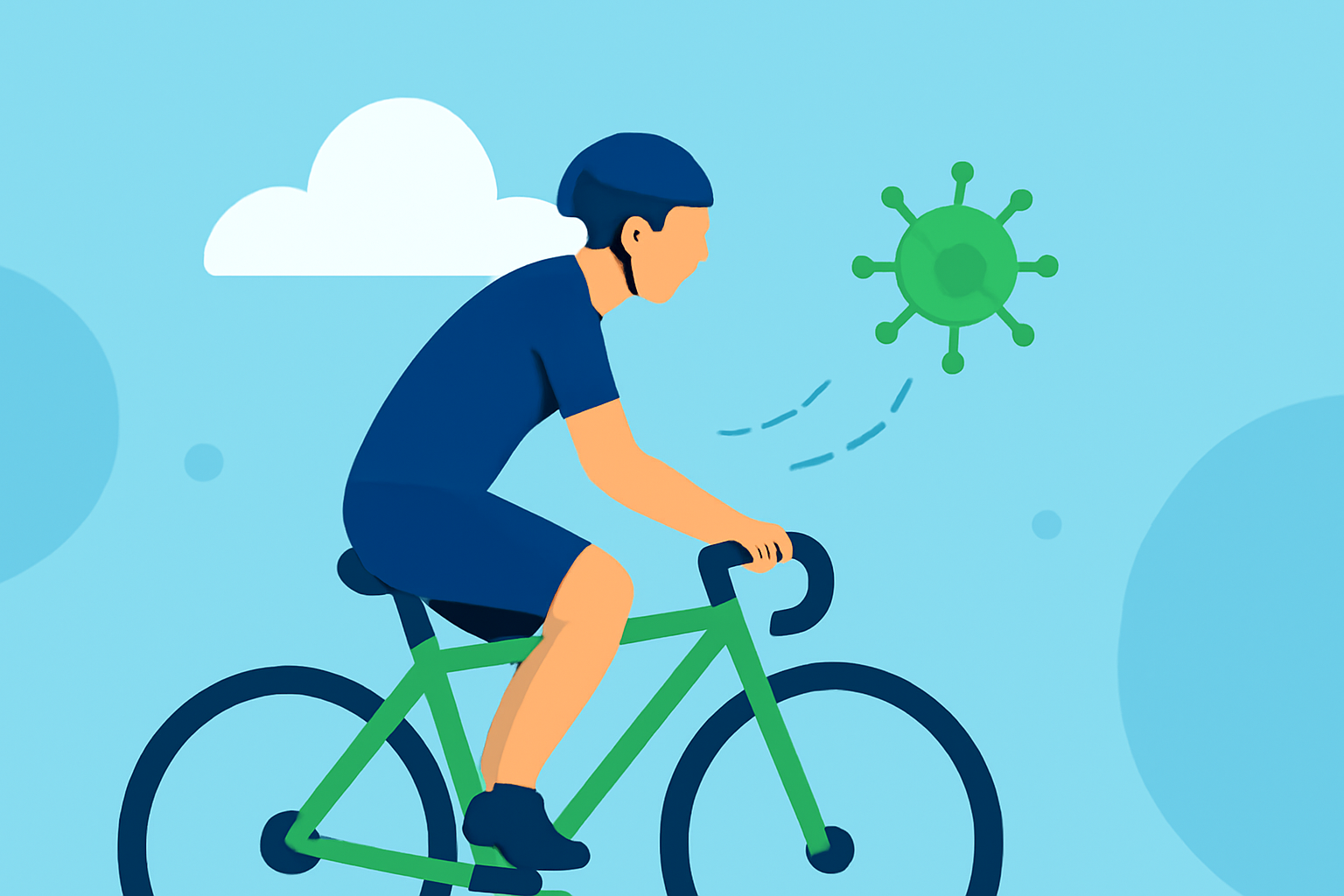
Cycling outdoors during pollen season can be challenging due to elevated pollen levels, which can trigger allergic reactions and discomfort. Understanding how weather conditions influence pollen counts and utilizing tools like Clime can help you plan your rides for optimal comfort.
How Do Weather Conditions Affect Pollen Levels?
Pollen counts are influenced by various weather factors, including temperature, humidity, wind, and precipitation. Generally, pollen levels are highest during warm, dry, and windy conditions, as these factors facilitate the release and dispersal of pollen into the air. Conversely, cooler temperatures, higher humidity, and rainfall can help reduce pollen concentrations. (scienceinsights.org)
When Are Pollen Levels Typically Highest?
Pollen release patterns vary depending on the type of pollen:
-
Tree Pollen: Typically peaks in the early morning hours, between 5 AM and 10 AM. (mypollenpal.com)
-
Grass Pollen: Generally peaks later in the morning and into early afternoon, around midday. (mypollenpal.com)
-
Weed Pollen (e.g., Ragweed): Often peaks in late morning to early afternoon. (mypollenpal.com)
Therefore, planning your cycling activities during late afternoon or early evening, when pollen levels are lower, can help minimize exposure. (mypollenpal.com)
How Can Clime Assist in Planning Your Cycling Activities?
Clime offers comprehensive weather forecasts that include pollen counts, allowing you to plan your cycling sessions during periods of lower pollen levels. By integrating Clime into your routine, you can receive timely updates on weather conditions and pollen forecasts, enabling you to make informed decisions about the best times to ride.
Additional Tips for Cycling During Pollen Season:
-
Check Local Pollen Forecasts: Stay informed about daily pollen levels in your area to choose the optimal times for outdoor activities. (weather.com)
-
Choose Routes with Minimal Exposure: Opt for cycling paths or trails that are less exposed to pollen-producing plants.
-
Wear Protective Gear: Consider wearing sunglasses to protect your eyes from pollen and a mask to reduce inhalation.
-
Shower After Riding: Rinse off after cycling to remove any pollen that may have settled on your skin or hair.
By understanding the interplay between weather conditions and pollen levels, and by utilizing tools like Clime, you can enjoy your outdoor cycling activities with greater comfort and fewer allergy-related issues.