
Optimal Weather Conditions for Outdoor Pilates: A Comprehensive Guide
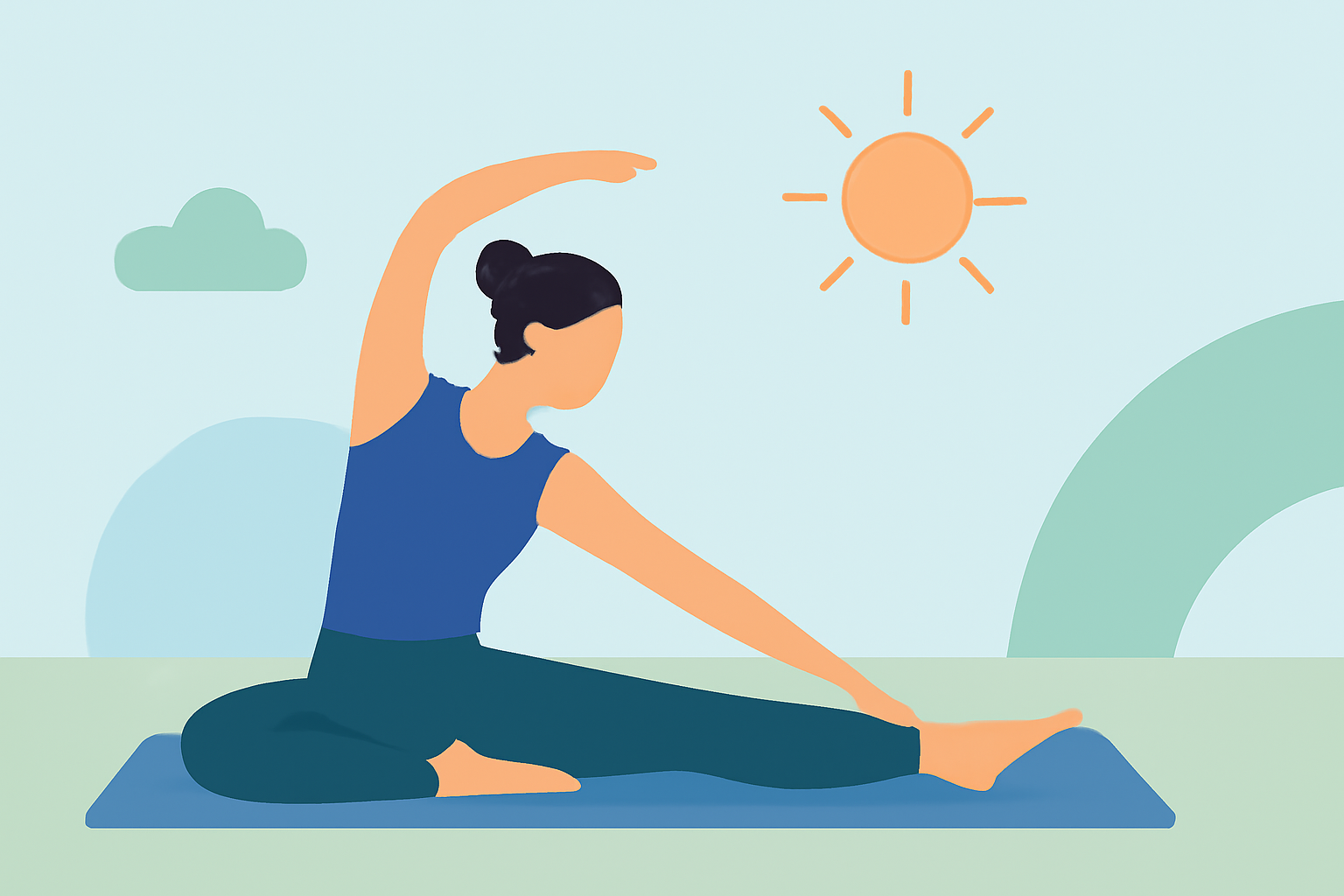
Practicing Pilates outdoors offers a refreshing change from indoor routines, allowing you to connect with nature and enjoy fresh air. However, to ensure a safe and effective session, it's essential to consider the weather conditions. Here's a comprehensive guide to help you determine the best weather for your outdoor Pilates practice.
What Are the Ideal Temperature and Humidity Levels for Outdoor Pilates?
For optimal comfort and performance, aim for temperatures between 60°F and 75°F (16°C to 24°C). This range allows your body to function efficiently without the strain of excessive heat or cold. Humidity levels should be moderate; high humidity can make breathing more challenging and increase the risk of dehydration. Conversely, very low humidity can lead to dry skin and respiratory discomfort.
How Does Wind Affect Outdoor Pilates Sessions?
Wind can be both beneficial and disruptive. A gentle breeze can keep you cool and comfortable, especially during intense movements. However, strong winds can cause distractions, make mats unstable, and pose safety risks. It's advisable to practice in areas shielded from strong winds to maintain focus and stability.
What Are the Risks of Practicing Pilates in Extreme Weather Conditions?
Engaging in Pilates during extreme weather poses several risks:
-
Heat: High temperatures can lead to dehydration, heat exhaustion, and heatstroke. It's crucial to stay hydrated and avoid peak sun hours.
-
Cold: Low temperatures can cause muscle stiffness, reducing flexibility and increasing the risk of strains. Ensure you warm up adequately and dress in layers to maintain body heat.
-
Rain: Wet conditions can make surfaces slippery, increasing the risk of falls and injuries. It's best to postpone sessions during heavy rain.
How Can I Prepare for an Outdoor Pilates Session?
To ensure a comfortable and safe practice:
-
Choose the Right Location: Select a flat, stable surface free from debris. Avoid areas with uneven ground or potential hazards.
-
Dress Appropriately: Wear moisture-wicking, breathable clothing suitable for the weather. Layering is key; you can remove layers as you warm up.
-
Use the Right Equipment: Opt for a high-density mat with grip to prevent slipping. If necessary, double up on mats or add a thick towel underneath for added comfort. (absolutepilates.co)
-
Stay Hydrated: Always bring a water bottle to replenish fluids lost during exercise.
-
Protect Against the Elements: Apply sunscreen to exposed skin and consider wearing sunglasses to shield your eyes from UV rays. (absolutepilates.co)
What Are the Best Times of Day for Outdoor Pilates?
Early mornings and late afternoons are ideal for outdoor Pilates. During these times, temperatures are typically cooler, and the sun is less intense, reducing the risk of heat-related issues. Additionally, practicing during these periods can help you avoid peak UV radiation hours.
How Can I Adapt My Practice to Different Weather Conditions?
-
Hot Weather: Opt for lighter clothing, take frequent breaks, and ensure you're well-hydrated. Avoid practicing during peak sun hours. (fitforfun.de)
-
Cold Weather: Dress in layers, warm up thoroughly, and consider using portable heaters if necessary. Be mindful of slippery surfaces due to frost or ice.
-
Rainy Weather: It's best to postpone sessions during heavy rain. If you choose to practice during light drizzle, ensure your mat is on a stable, non-slippery surface.
How Can I Stay Informed About Local Weather Conditions?
Utilize reliable weather forecasting services to stay updated on local conditions. Many platforms offer real-time updates and alerts, helping you plan your sessions effectively.
By considering these factors and preparing accordingly, you can enjoy the numerous benefits of outdoor Pilates while minimizing potential risks.