
Optimal Weather Conditions for Outdoor Pilates: A Beginner's Guide
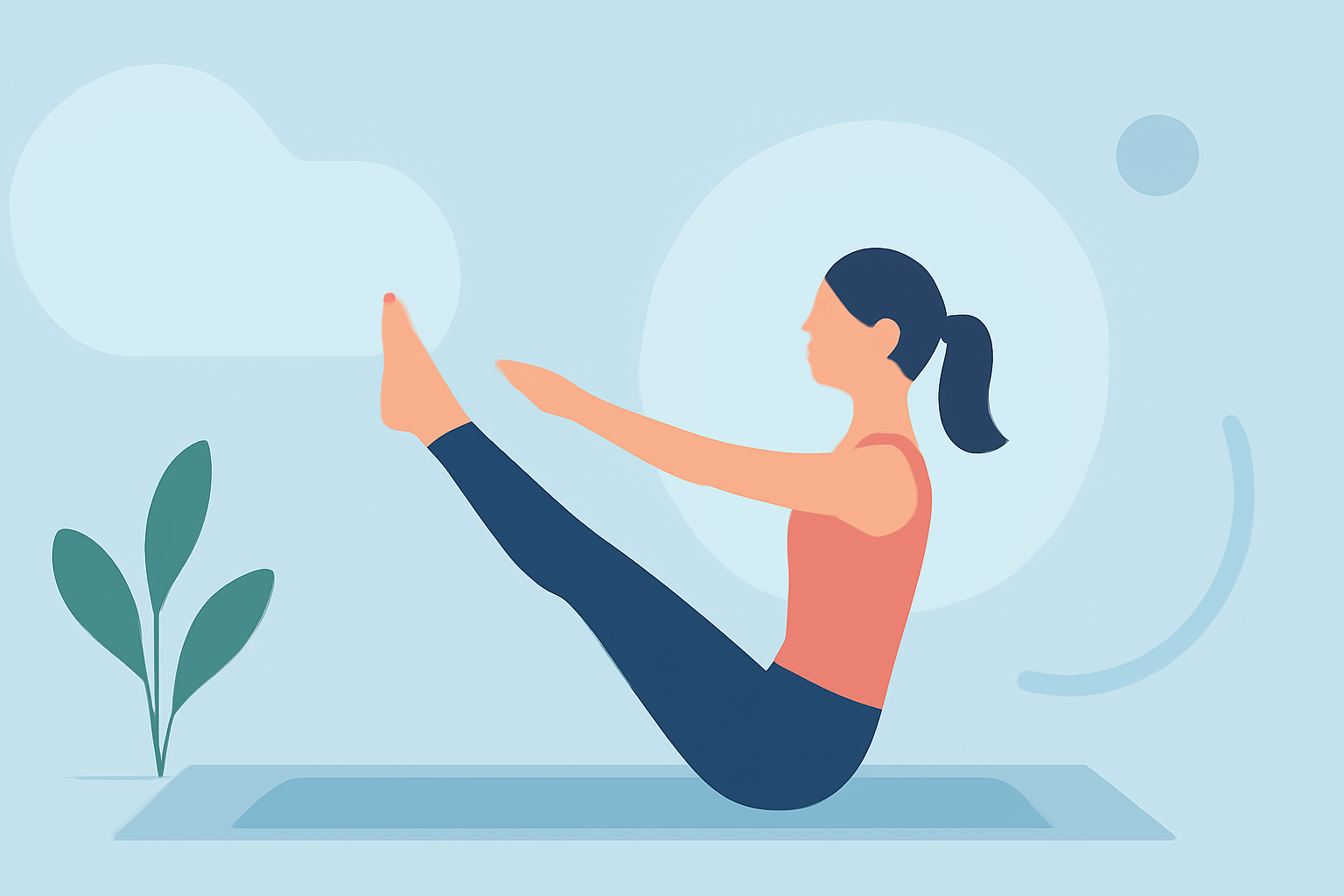
Practicing Pilates outdoors offers a refreshing change from indoor routines, allowing you to connect with nature while enhancing your physical well-being. However, to fully enjoy this experience, it's crucial to understand how weather conditions can impact your practice and how to prepare accordingly.
What Are the Ideal Weather Conditions for Outdoor Pilates?
The optimal weather for outdoor Pilates combines comfortable temperatures, low humidity, and minimal wind. These conditions help maintain focus and prevent discomfort during exercises.
-
Temperature: Aim for a temperature range between 60°F and 75°F (15°C to 24°C). This range is generally comfortable for physical activity and reduces the risk of overheating or excessive cold.
-
Humidity: Low humidity levels are preferable, as high humidity can make breathing more difficult and increase the perception of heat.
-
Wind: Light to moderate winds are acceptable, but strong winds can disrupt your practice and pose safety risks.
How Does Weather Affect Outdoor Pilates Practice?
Weather conditions can significantly influence your Pilates session:
-
Heat: High temperatures can lead to dehydration and fatigue. It's advisable to practice during cooler parts of the day, such as early morning or late evening, and to stay hydrated.
-
Cold: Cold weather can cause muscle stiffness and increase the risk of injury. Dressing in layers and warming up properly can help mitigate these effects.
-
Rain: Wet conditions can make surfaces slippery, increasing the risk of falls. It's best to postpone your session if rain is expected.
What Are the Best Times of Day for Outdoor Pilates?
The time of day plays a crucial role in the quality of your outdoor Pilates practice:
-
Morning: Early mornings often provide cooler temperatures and calmer winds, creating an ideal environment for Pilates.
-
Evening: Late afternoons and evenings can also offer comfortable conditions, with temperatures cooling down and winds typically subsiding.
Midday sessions should be avoided, especially during summer months, due to higher temperatures and increased sun exposure.
How Can I Prepare for Outdoor Pilates Sessions?
Proper preparation ensures a safe and enjoyable outdoor Pilates experience:
-
Choose the Right Location: Select a flat, stable surface free from obstructions. Grass or a smooth patio are suitable options.
-
Use Appropriate Equipment: Opt for a high-density mat with grip to prevent slipping. If necessary, double up on mats or add a thick towel underneath for added comfort. (absolutepilates.co)
-
Dress Appropriately: Wear moisture-wicking, breathable fabrics to keep comfortable. In cooler weather, layer your clothing to adjust as needed.
-
Stay Hydrated: Always bring a water bottle to maintain hydration throughout your session.
-
Protect Against the Elements: Use sunscreen to shield your skin from UV rays, and consider wearing sunglasses to protect your eyes. (absolutepilates.co)
How Can I Adapt My Practice to Different Weather Conditions?
Adjusting your Pilates routine to suit the weather can enhance your practice:
-
Hot Weather: Focus on gentle movements and incorporate longer rest periods. Choose shaded areas to practice and wear light-colored clothing to reflect heat. (fitforfun.de)
-
Cold Weather: Engage in a thorough warm-up to prepare your muscles. Dress in layers that can be removed as you warm up, and ensure your clothing is moisture-wicking to prevent chills.
-
Windy Conditions: Opt for exercises that are less affected by wind, such as mat-based movements. Secure your equipment to prevent it from being blown away.
What Are the Safety Considerations for Outdoor Pilates?
Safety should always be a priority:
-
Monitor Weather Forecasts: Check local weather reports before heading out to ensure conditions are suitable.
-
Listen to Your Body: Be mindful of signs of overheating, dehydration, or fatigue, and take breaks as needed.
-
Be Aware of Surroundings: Ensure your practice area is free from hazards such as uneven ground, sharp objects, or traffic.
By understanding and adapting to weather conditions, you can create a safe and enjoyable outdoor Pilates experience that enhances both your physical and mental well-being.