
Optimal Weather Conditions for Outdoor Pilates in the United States
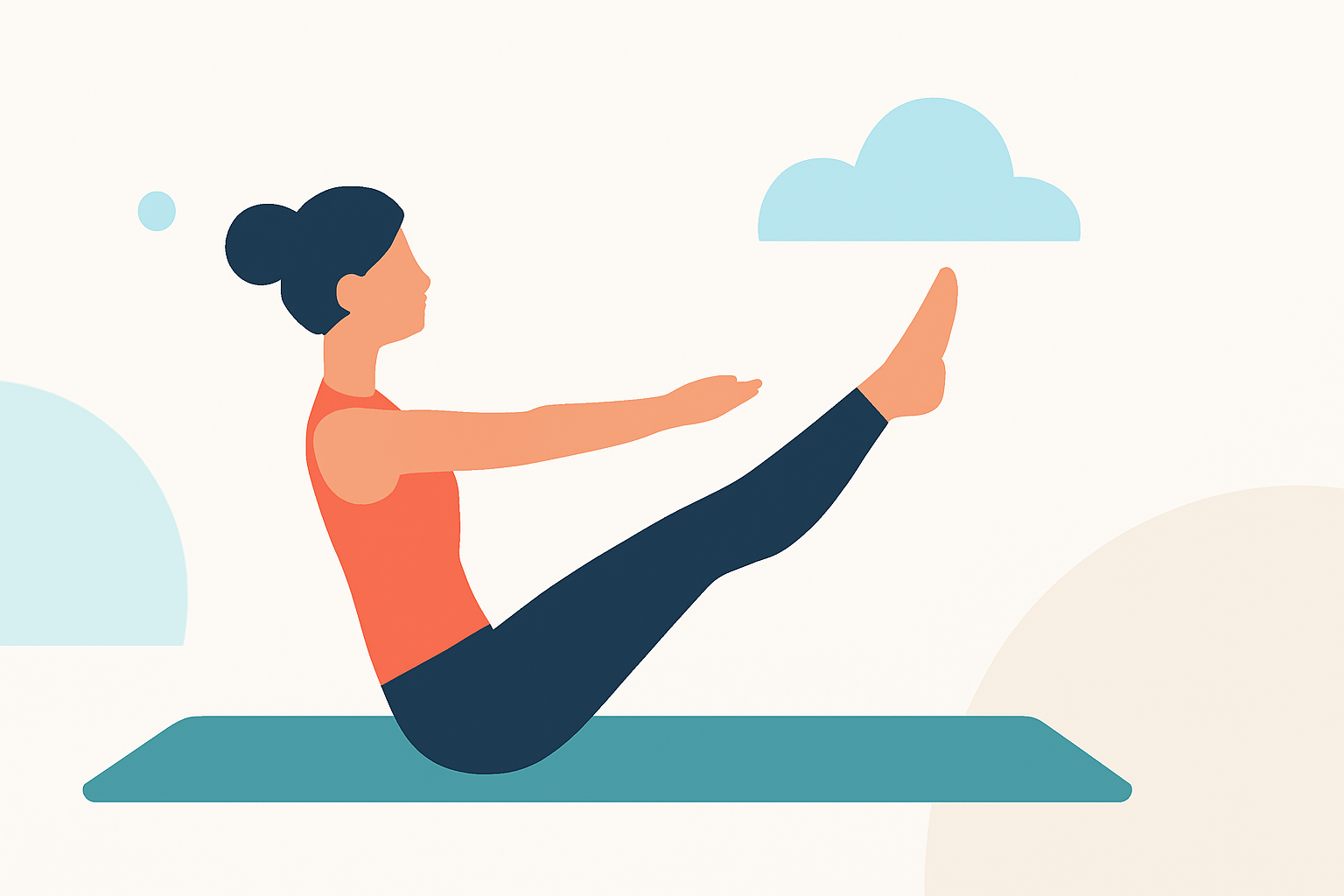
Practicing Pilates outdoors offers a refreshing change from indoor routines, allowing you to connect with nature and enjoy fresh air. However, the effectiveness and safety of your outdoor Pilates sessions are significantly influenced by the weather conditions. Understanding how different climates impact your practice can help you make informed decisions and ensure a comfortable experience.
What Are the Ideal Weather Conditions for Outdoor Pilates?
The optimal weather for outdoor Pilates combines moderate temperatures, low humidity, and minimal wind. These conditions provide a comfortable environment that enhances performance and reduces the risk of discomfort or injury.
-
Temperature: A range of 60°F to 75°F (16°C to 24°C) is generally considered ideal for outdoor Pilates. This temperature range allows for comfortable movement without the body becoming too hot or too cold.
-
Humidity: Low humidity levels are preferable, as high humidity can make the air feel warmer and more oppressive, potentially leading to quicker fatigue and dehydration.
-
Wind: Light to moderate winds can be refreshing, but strong winds may disrupt your practice and cause discomfort.
How Does Weather Affect Outdoor Pilates Sessions?
Different weather conditions can have various impacts on your Pilates practice:
-
Heat: High temperatures can increase the risk of dehydration and heat-related illnesses. It's advisable to practice during cooler parts of the day, such as early morning or late evening, and to stay hydrated. (weather.com)
-
Cold: Cold weather can lead to muscle stiffness and a higher risk of injury. Wearing appropriate layers and warming up thoroughly can help mitigate these effects. (crossrope.com)
-
Rain: Wet conditions can make outdoor surfaces slippery, increasing the risk of falls. It's best to avoid practicing Pilates outdoors during rain. (pickleballcourtco.com)
-
Wind: Strong winds can disrupt your practice and cause discomfort. Choosing a sheltered location can help minimize these effects.
How Can I Adapt My Outdoor Pilates Practice to Different Weather Conditions?
Adapting your practice to the weather ensures safety and comfort:
-
In Hot Weather:
-
Time Your Sessions: Opt for early morning or late evening workouts to avoid peak heat.
-
Stay Hydrated: Drink water before, during, and after your session to prevent dehydration.
-
Wear Appropriate Clothing: Choose light, breathable fabrics to keep cool.
-
Modify Intensity: Reduce the intensity of your exercises to prevent overheating. (fitforfun.de)
-
In Cold Weather:
-
Layer Up: Wear moisture-wicking base layers, insulating mid-layers, and wind-resistant outer layers.
-
Warm Up Thoroughly: Spend extra time warming up to prepare your muscles for exercise.
-
Protect Extremities: Use gloves, hats, and scarves to keep hands, head, and neck warm.
-
Monitor Conditions: Be cautious of icy surfaces and avoid practicing on slippery ground. (crossrope.com)
-
In Rainy Conditions:
-
Seek Shelter: If possible, practice under a covered area to stay dry.
-
Use Waterproof Gear: Wear waterproof clothing and use a waterproof mat to keep your equipment dry.
-
Avoid Slippery Surfaces: Be cautious of wet and slippery areas to prevent falls. (pickleballcourtco.com)
-
In Windy Conditions:
-
Choose a Sheltered Location: Find a spot with natural windbreaks, such as near buildings or trees.
-
Secure Your Equipment: Use weighted items to keep your mat and props in place.
-
Dress Appropriately: Wear wind-resistant clothing to protect against the chill.
What Are Some Tips for Enhancing My Outdoor Pilates Experience?
-
Select a Suitable Location: Choose a flat, stable surface that provides adequate support. Avoid uneven grass or hard concrete, as they can place strain on your joints. (absolutepilates.co)
-
Use Appropriate Equipment: Invest in a high-density mat with grip to prevent slipping, especially in humid or windy conditions. (absolutepilates.co)
-
Prepare for the Elements: Bring essentials like sunscreen, insect repellent, and a hat to protect against sun exposure and bugs.
-
Clean Your Gear Regularly: After each session, clean your mat and props to remove dirt and moisture, ensuring they remain in good condition. (absolutepilates.co)
How Can Clime Enhance My Outdoor Pilates Practice?
Clime offers a comprehensive solution to monitor and adapt to weather conditions, ensuring your outdoor Pilates sessions are safe and effective. With Clime, you can:
-
Access Real-Time Weather Updates: Stay informed about current conditions and forecasts to plan your sessions accordingly.
-
Receive Personalized Recommendations: Get tailored advice on the best times and locations for outdoor Pilates based on weather patterns.
-
Monitor Environmental Factors: Track temperature, humidity, and wind conditions to make informed decisions about your practice.
By leveraging Clime's features, you can optimize your outdoor Pilates experience, ensuring comfort and safety regardless of the weather.
FAQs
-
What is the best time of day to practice outdoor Pilates? Early morning or late evening are ideal, as temperatures are cooler and more comfortable for exercise. (weather.com)
-
How can I protect my eyes during outdoor Pilates sessions? Wearing sunglasses with 100% UVA and UVB protection can shield your eyes from harmful rays and reduce glare. (absolutepilates.co)
-
What should I do if it starts raining during my outdoor Pilates session? It's best to stop practicing immediately, as wet surfaces can be slippery and increase the risk of injury. (pickleballcourtco.com)
-
How can I keep my Pilates mat from slipping on windy days? Using a weighted blanket or placing heavy objects on the corners of your mat can help keep it grounded during breezy conditions. (absolutepilates.co)
-
What should I wear for outdoor Pilates in cold weather? Layering moisture-wicking base layers with insulating mid-layers and wind-resistant outer layers can help keep you warm and comfortable. (crossrope.com)