
Optimal Weather Conditions for Outdoor Yoga Beginners
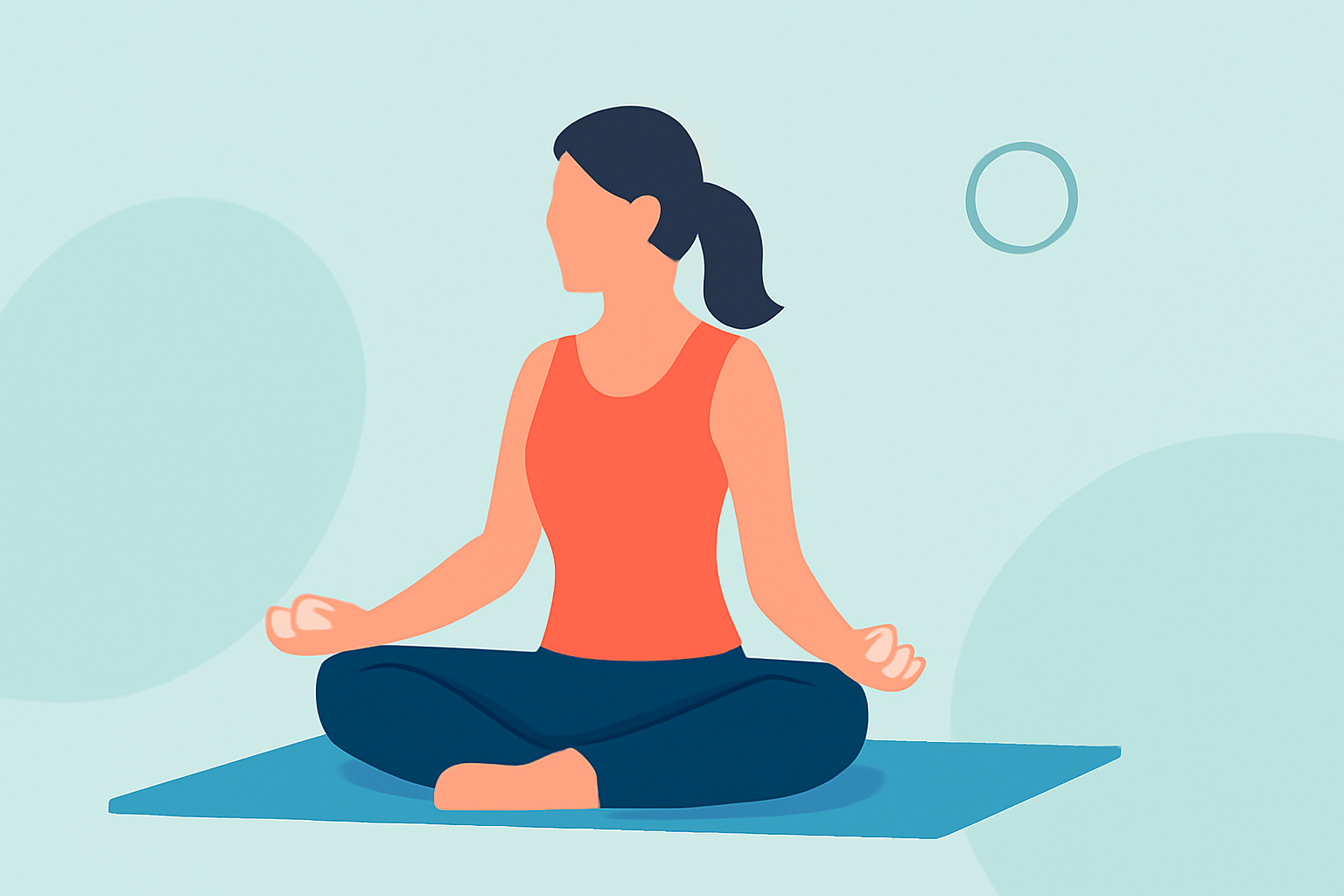
Practicing yoga outdoors offers a refreshing change from indoor routines, allowing you to connect with nature and enhance your mindfulness. For beginners, understanding the optimal weather conditions can significantly improve your experience and safety. Here's what you need to know:
What Are the Ideal Temperature Ranges for Outdoor Yoga?
For dynamic yoga styles like Vinyasa or Hatha, temperatures between 54°F and 57°F (12°C to 14°C) are suitable, provided you dress warmly and perform a thorough warm-up. For passive styles like Yin Yoga, a minimum temperature of 64°F (18°C) is recommended to prevent the body from cooling too quickly during extended holds. (inspiredbysports.com)
When Is the Best Time of Day to Practice Outdoor Yoga?
Early mornings and late afternoons are ideal for outdoor yoga. During these times, the sun is less intense, temperatures are milder, and the environment is generally quieter, allowing for a more peaceful practice. Avoid midday hours, especially in summer, to prevent overheating and sun exposure. (maxprotein.in)
How Should Beginners Prepare for Outdoor Yoga Sessions?
-
Choose a Suitable Location: Opt for a quiet, shaded area with a flat, even surface to ensure stability during poses. (yogaeasy.de)
-
Dress Appropriately: Wear moisture-wicking, breathable clothing and layer up to adjust to changing temperatures. In cooler conditions, consider bringing a light jacket or blanket. (yogaeducation.org)
-
Use the Right Equipment: Invest in a thick, non-slip yoga mat designed for outdoor use to provide adequate cushioning and grip on uneven surfaces. (veganblatt.com)
-
Stay Hydrated: Always bring water to your session to maintain hydration, especially in warmer weather. (fitnessfirst.de)
-
Protect Against the Elements: Apply sunscreen to exposed skin and consider using insect repellent if practicing near water or in grassy areas. (yogaeducation.org)
What Are the Benefits of Practicing Yoga Outdoors?
Engaging in yoga outdoors can reduce stress levels more effectively than indoor sessions. The natural environment promotes relaxation and mindfulness, enhancing the overall yoga experience. (veganblatt.com)
How Can Beginners Overcome Challenges in Outdoor Yoga?
-
Adapt to Uneven Surfaces: Practice balance poses to improve stability on uneven ground. This not only enhances your yoga practice but also strengthens stabilizing muscles. (inspiredbysports.com)
-
Be Mindful of Allergies: If you have pollen allergies, choose times when pollen levels are lower, such as after rain or in the evening. Always check the pollen forecast before heading out. (fitnessfirst.de)
By considering these factors, beginners can enjoy a safe and enriching outdoor yoga practice that aligns with their comfort and skill level.
Highlights:
- Yoga in der Natur: Alles über Outdoor-Yoga – YogaEasy, Published on Wednesday, August 21
- Outdoor-Yoga: Wirkung, Vorteile und Übungen, Published on Wednesday, August 28
- Outdoor Yoga: Deine Praxis im Freien - VeganBlatt, Published on Friday, May 01