
Optimal Weather Conditions for Stargazing from Your Car: A Beginner's Guide
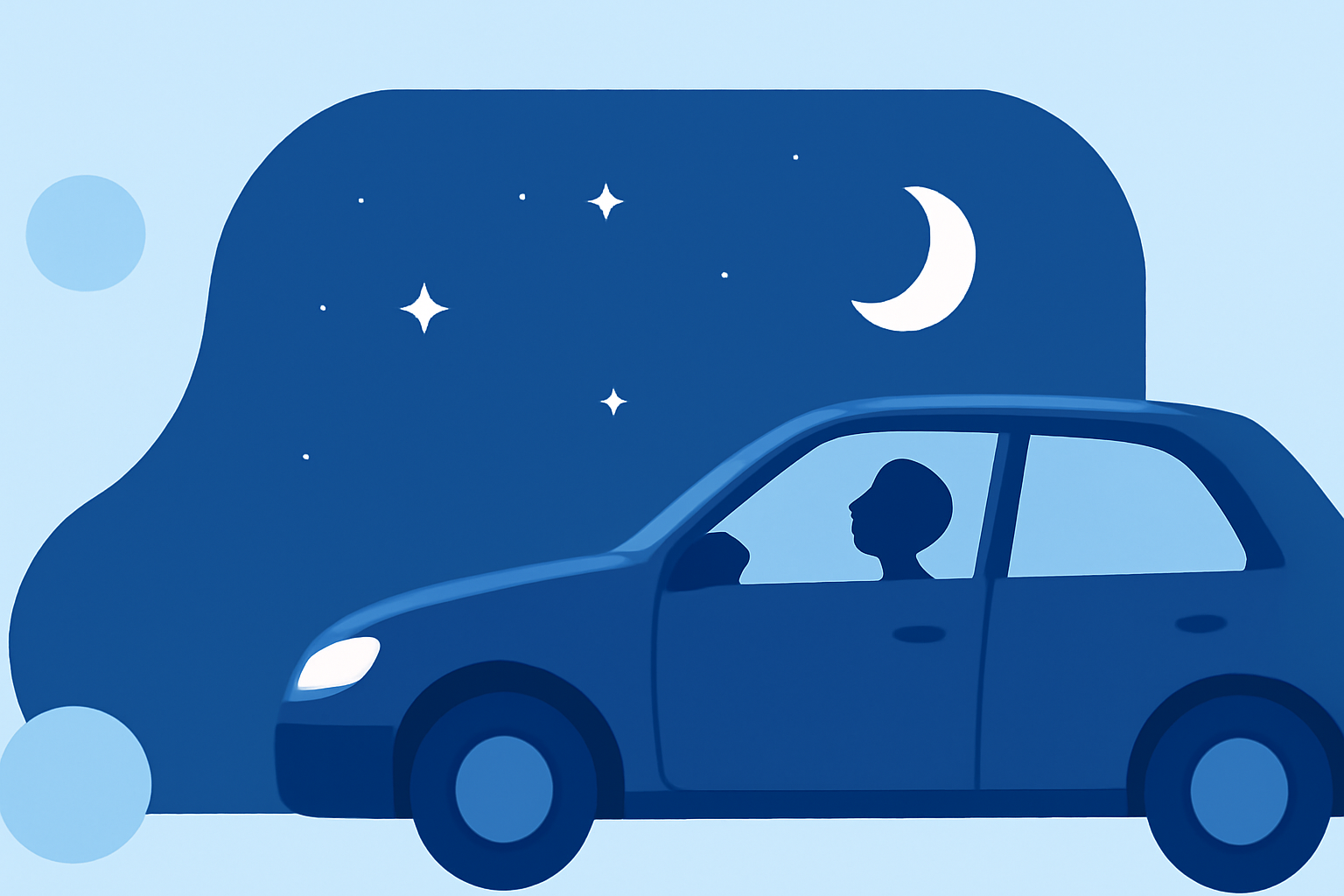
Stargazing from your car offers a comfortable and convenient way to explore the night sky. To maximize your experience, it's essential to understand the optimal weather conditions and planning strategies. This guide provides insights into the best practices for stargazing from your vehicle.
What Are the Ideal Weather Conditions for Stargazing?
Clear skies are paramount for stargazing. Cloud cover can obscure celestial objects, making observation challenging. Therefore, selecting nights with minimal cloud coverage enhances visibility. (nps.gov)
Low humidity levels contribute to clearer skies. High humidity can cause atmospheric distortion, reducing the sharpness of celestial images. Opting for nights with lower humidity improves the clarity of your observations. (easeweather.com)
Calm winds are also beneficial. Strong winds can create atmospheric turbulence, leading to a shaky view of the stars. Choosing nights with light or no wind ensures a steadier and more enjoyable stargazing experience. (easeweather.com)
How Does the Moon Affect Stargazing?
The moon's brightness can significantly impact stargazing. During its full phase, the moon's light can wash out fainter stars and celestial objects. For optimal viewing, plan your stargazing sessions around the new moon phase, when the moon is absent from the night sky, providing darker conditions. (science.nasa.gov)
What Are the Best Times to Stargaze?
The period between 10 PM and 2 AM is often ideal for stargazing. During this time, the sky is darkest, and many celestial objects are at their highest points in the sky, offering the best viewing opportunities. (telescopeguides.com)
How Can I Prepare for a Comfortable Stargazing Experience?
-
Location: Choose a safe, dark area away from city lights to minimize light pollution. Ensure the location is accessible and legal to park overnight. (science.nasa.gov)
-
Comfort: Bring warm clothing, as temperatures can drop at night. A comfortable chair or blanket can enhance your viewing experience.
-
Equipment: Use a red-light flashlight to preserve your night vision. Avoid using white light, as it can impair your ability to see in the dark. (nps.gov)
-
Preparation: Allow your eyes to adjust to the darkness for about 20-30 minutes before observing. This adaptation period enhances your ability to see faint stars and celestial objects. (science.nasa.gov)
How Can I Check the Weather Before Stargazing?
Utilize weather apps or websites that provide detailed forecasts, including cloud cover, humidity, wind speed, and precipitation. Some platforms offer a stargazing index, which evaluates conditions based on these factors, helping you choose the best nights for observation. (easeweather.com)
By considering these factors and planning accordingly, you can enhance your stargazing experience from the comfort of your car. Remember to check local regulations regarding overnight parking and stargazing to ensure a safe and enjoyable outing.