
Optimal Weather Conditions for Tree Pruning: A Comprehensive Guide
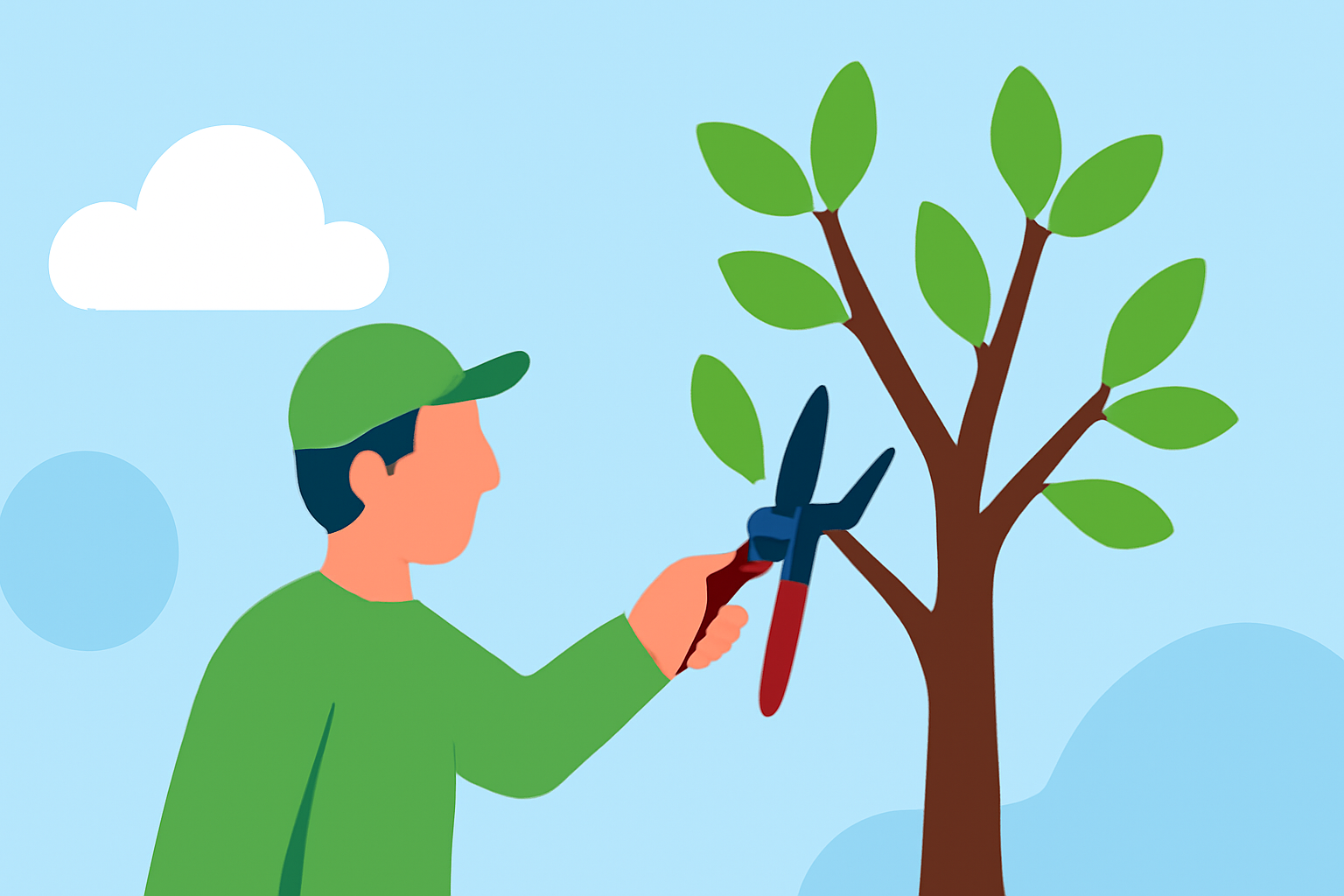
Pruning is essential for maintaining the health and aesthetics of your trees. However, the timing and weather conditions during pruning significantly influence the tree's recovery and overall well-being.
Why Timing and Weather Matter
Pruning during inappropriate weather can stress trees, increase vulnerability to diseases, and even lead to death. Arborists highlight several danger periods to avoid:
-
Active Disease Season (Mid-Spring to Early Summer): Pruning during this high-growth period increases the risk of fungal infections and insect-borne diseases like Oak Wilt and Dutch Elm Disease. Fresh wounds from cuts attract harmful beetles and hinder healing. (homesandgardens.com)
-
Extreme Environmental Stress: Avoid pruning during drought, heatwaves, or freezing temperatures. Heat and drought reduce a tree’s recovery capacity, while deep frost can freeze pruning wounds and lead to cracking. (homesandgardens.com)
-
Late Summer to Early Fall: Pruning now depletes trees’ energy reserves needed for winter and risks prompting vulnerable new growth before frost, making them susceptible to damage. (homesandgardens.com)
Ideal Weather Conditions for Pruning
The optimal weather for pruning varies based on regional climates and tree species. Here are some general guidelines:
-
Cool, Dry Days: Pruning on cool, dry days minimizes stress on the tree and reduces the risk of disease transmission. (atlantaarbor.com)
-
Avoid Wet Conditions: Pruning during wet weather can spread bacteria and fungi, slowing the healing process. (shopping.yahoo.com)
-
Mild Temperatures: Extreme temperatures, whether hot or cold, can stress the tree. Aim for mild days to ensure optimal healing.
Regional Considerations
In the United States, pruning practices can vary based on regional climates:
-
Cold Climates: In areas with cold winters, late winter to early spring is ideal for pruning. Trees are dormant, and pruning during this period minimizes stress and disease risk. (piekarskitree.com)
-
Mild Climates: In regions with mild winters, pruning can be done during the dormant season, typically late fall through winter. However, avoid pruning during wet conditions to prevent disease spread. (treetrimming.fyi)
Best Practices for Pruning
-
Use Clean, Sharp Tools: Ensure your pruning tools are clean and sharp to make precise cuts and reduce the risk of disease transmission. (groundsguys.com)
-
Prune Dead or Diseased Branches: Focus on removing dead, diseased, or damaged branches to improve the tree's health and appearance.
-
Avoid Over-Pruning: Do not remove more than 25% of a tree’s canopy in a single session, as over-pruning can severely stress the tree and deplete its energy reserves. (treeworkmd.com)
Conclusion
Pruning at the right time and under suitable weather conditions is crucial for the health and longevity of your trees. By understanding and adhering to these guidelines, you can ensure that your trees thrive and continue to enhance your landscape.
Highlights:
- When pruning can kill your tree - expert arborists reveal the danger periods to avoid, Published on Thursday, September 25
- Avoid pruning your trees at these critical times or risk harming your garden, Published on Thursday, October 02
- 7 Trees that Thrive When Pruned in February - Late Winter Conditions Are an Ideal Time to Trim, Published on Saturday, February 07