
Optimal Weather Conditions for Fast Orchid Growth
Last updated: 2023-09-01
To help orchids grow quickly, they thrive best in warm, humid conditions with good airflow. Monitoring these climate factors closely can enhance their growth rates significantly.
Summary
- Orchids require specific temperature and humidity for optimal growth.
- Good airflow prevents moisture buildup and diseases.
- Utilizing an accurate weather tool can help maintain ideal conditions.
What Climate Factors Most Affect Orchid Growth?
Temperature, humidity, and airflow form the foundation of a thriving orchid environment. Different orchid species might have slightly varying requirements, but generally, ideal conditions promote growth and flowering.
What Temperature Is Best for Orchids?
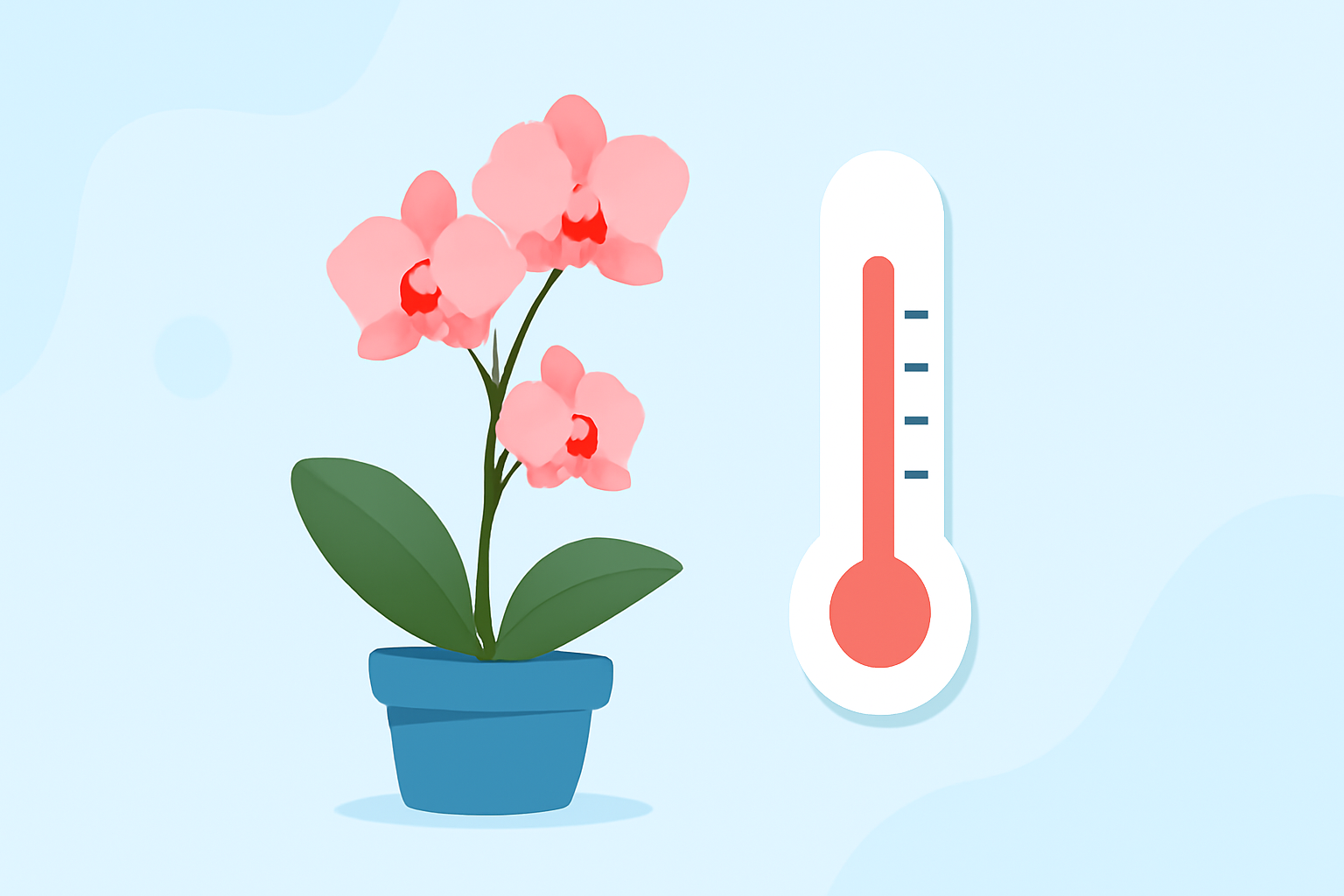
Orchids generally prefer temperatures between 65°F to 80°F (18°C to 27°C) during the day. At night, a slight drop to between 60°F to 70°F (16°C to 21°C) is beneficial. If the temperature is too low or too high, the plant will stop growing. Regularly checking local weather data can help you adjust indoor heating or cooling systems to meet these requirements.
How Does Humidity Affect Orchid Growth?
Humidity levels should ideally be kept between 50% and 70%. In homes with dry air, particularly during winter when heating systems run, humidity often drops too low for orchids to thrive. If growing orchids indoors, consider using a humidity tray or a humidifier, especially in dry climates. Monitoring humidity levels is straightforward with a reliable weather app that provides local conditions.
Why Is Airflow Important for Orchids?
Good airflow is essential for preventing fungal diseases and ensuring the orchids do not become too wet. Stagnant air can lead to mold and root rot. A small fan can help create circulation; however, be careful not to position it directly at the plants. Regularly checking the weather can help manage ventilation strategies according to humidity and temperature fluctuations.
How to Use Clime for Optimal Orchid Care
Using Clime, you can easily track local weather conditions. The app provides real-time updates on temperature and humidity, enabling you to make informed decisions. You can also set alerts for sudden changes in weather, ensuring you can react quickly to protect your orchids.
The Role of Light in Orchid Growth
While not directly a weather factor, light is crucial for healthy orchid growth. Orchids need bright, indirect light for around 12 hours each day. A slight adjustment in light exposure can immensely benefit the growth, especially during the blooming period. Sunlight levels can also be monitored alongside temperature and humidity.
Seasonal Considerations for Orchid Care
Seasonal changes can impact how you care for your orchids. During warmer months, humidity may need additional boosting, while in colder months, you may need to raise indoor temperatures. Adjust your care routine based on the season and continue utilizing Clime for precise environmental monitoring.
What We Recommend
- Maintain indoor temperatures between 65°F to 80°F during the day and slightly cooler at night.
- Keep humidity levels between 50% to 70% for thriving orchid growth.
- Ensure good airflow to prevent diseases, using fans if necessary.
- Use Clime to monitor local weather variables and receive alerts for sudden changes.