
Optimizing Bedroom Humidity for Restful Sleep
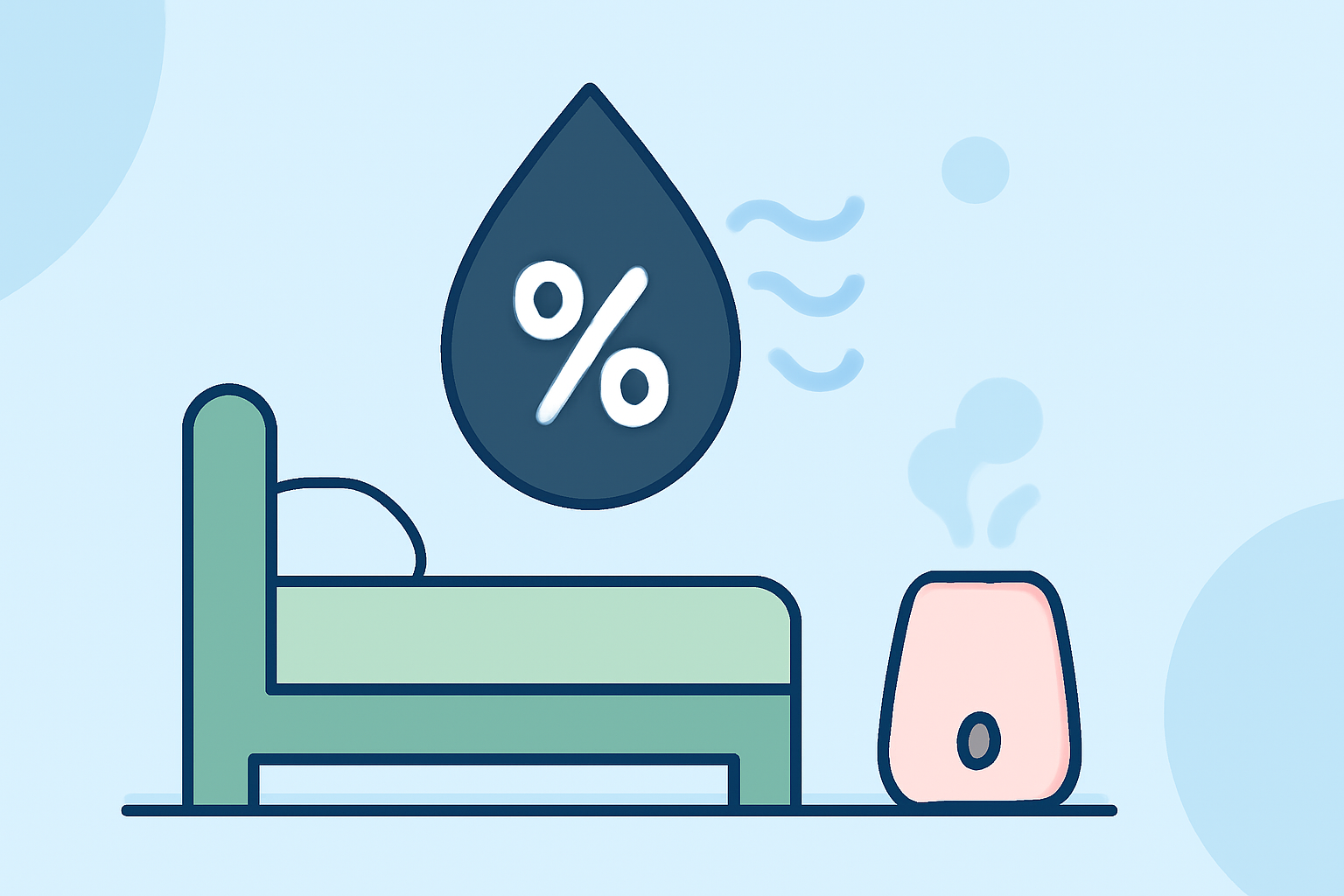
Achieving a restful night's sleep involves various factors, and one often overlooked element is the humidity level in your bedroom. The ideal indoor humidity for sleep is between 30% and 50% relative humidity (RH). (sleepfoundation.org)
Why Does Humidity Matter for Sleep?
Humidity affects your body's ability to regulate temperature and maintain moisture balance. Both low and high humidity levels can disrupt sleep:
-
Low Humidity (Below 30% RH): Can cause dry skin, irritated nasal passages, and increased static electricity, leading to discomfort and disturbed sleep. (trane.com)
-
High Humidity (Above 50% RH): May lead to a feeling of stickiness, promote the growth of allergens like dust mites and mold, and make it harder for the body to cool down, resulting in restless sleep. (trane.com)
How to Achieve Optimal Bedroom Humidity
-
Monitor Humidity Levels: Use a hygrometer to keep track of the RH in your bedroom. (sleepfoundation.org)
-
Adjust Humidity as Needed:
- Increase Humidity: In dry conditions, use a humidifier to add moisture to the air.
- Decrease Humidity: In humid conditions, use a dehumidifier to reduce moisture levels.
- Maintain a Comfortable Temperature: Keep your bedroom temperature around 65°F (18°C) to support the body's natural cooling process during sleep. (trane.com)
Additional Tips for a Restful Sleep Environment
-
Keep the Bedroom Clean: Regularly wash bedding and vacuum carpets to reduce allergens.
-
Use Breathable Bedding: Opt for natural fabrics like cotton that allow air circulation.
-
Ensure Proper Ventilation: Allow fresh air to circulate by opening windows when possible.
By maintaining the optimal humidity level in your bedroom, you can create a more comfortable and healthful environment conducive to quality sleep.