
Optimizing Bedroom Humidity for Restful Sleep
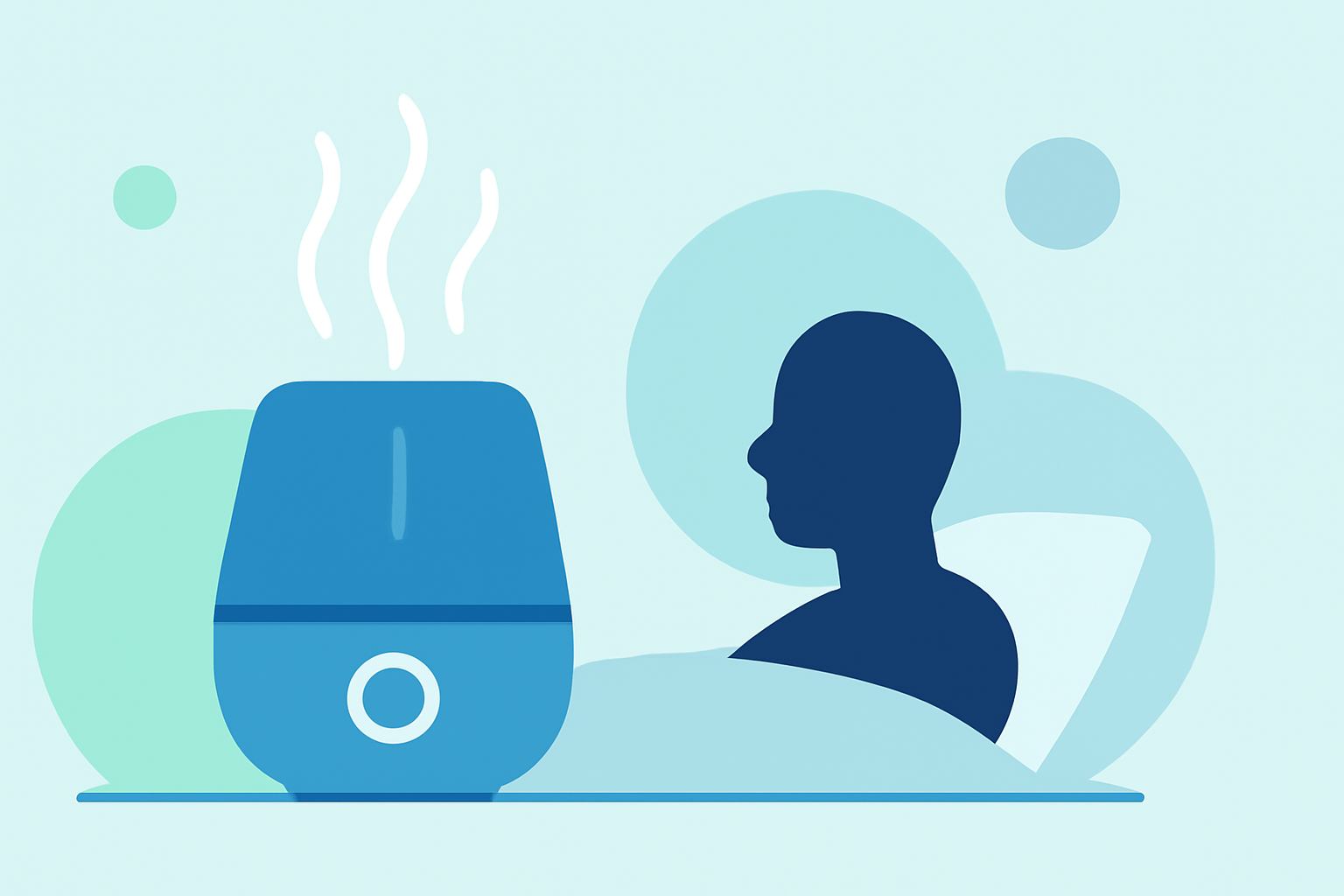
Achieving a restful night's sleep involves various factors, with bedroom humidity playing a pivotal role. Maintaining the right humidity level not only enhances comfort but also supports overall health.
What Is the Ideal Humidity Level for Sleep?
Experts recommend keeping indoor humidity between 30% and 50% relative humidity (RH) for optimal sleep quality. This range balances comfort and health, preventing issues associated with both low and high humidity levels. (sleepfoundation.org)
How Does Humidity Affect Sleep Quality?
Humidity influences sleep by affecting the body's ability to regulate temperature and moisture. Low humidity can lead to dry skin, irritated sinuses, and static electricity, while high humidity may cause discomfort due to excessive moisture in the air. (bryant.com)
What Are the Effects of Low Humidity on Sleep?
When indoor humidity drops below 30% RH, the air becomes dry, leading to:
-
Dry Skin and Mucous Membranes: Increased dryness can cause discomfort and irritation.
-
Respiratory Irritation: Dry air may irritate nasal passages and the throat, potentially disrupting sleep.
-
Static Electricity: Low humidity levels can increase static electricity, leading to discomfort and potential damage to electronic devices. (smartfog.com)
What Are the Effects of High Humidity on Sleep?
Conversely, humidity levels exceeding 50% RH can result in:
-
Increased Allergen Growth: Higher humidity supports the proliferation of dust mites and mold, which can exacerbate allergies and respiratory issues.
-
Disrupted Sleep: Excess moisture in the air can make the environment feel warm and clammy, leading to discomfort and disturbed sleep patterns. (sleepfoundation.org)
How Can I Maintain Optimal Humidity Levels in My Bedroom?
To achieve and maintain the ideal humidity range of 30% to 50% RH in your bedroom:
-
Use a Hygrometer: Regularly monitor humidity levels to ensure they remain within the desired range.
-
Utilize Humidifiers or Dehumidifiers: Depending on your local climate and indoor conditions, these devices can help adjust humidity levels effectively.
-
Ventilate Properly: Ensure adequate ventilation to prevent moisture buildup, especially in areas prone to humidity.
-
Seal Leaks: Address any leaks in windows or doors to prevent outdoor humidity from affecting indoor levels. (sleepfoundation.org)
How Does Clime Support Optimal Sleep Environments?
Clime offers advanced climate control solutions designed to maintain optimal indoor conditions, including humidity levels, to enhance sleep quality. By integrating Clime's technology, you can create a personalized sleep environment that supports restful and uninterrupted sleep.
Conclusion
Maintaining the ideal humidity level in your bedroom is crucial for quality sleep and overall health. By understanding the effects of humidity and implementing strategies to control it, you can create a comfortable and healthy sleep environment.
Highlights:
- This is the ideal humidity level for your bedroom for a comfortable night's sleep, urge HVAC pros, Published on Saturday, June 07
- How Humid Should My House Be? The Big Guide to Getting It Right for Each Season, Each Room, and for Your Houseplants, Published on Monday, September 01