
Optimizing Bedroom Humidity for Restful Sleep During Winter Storms
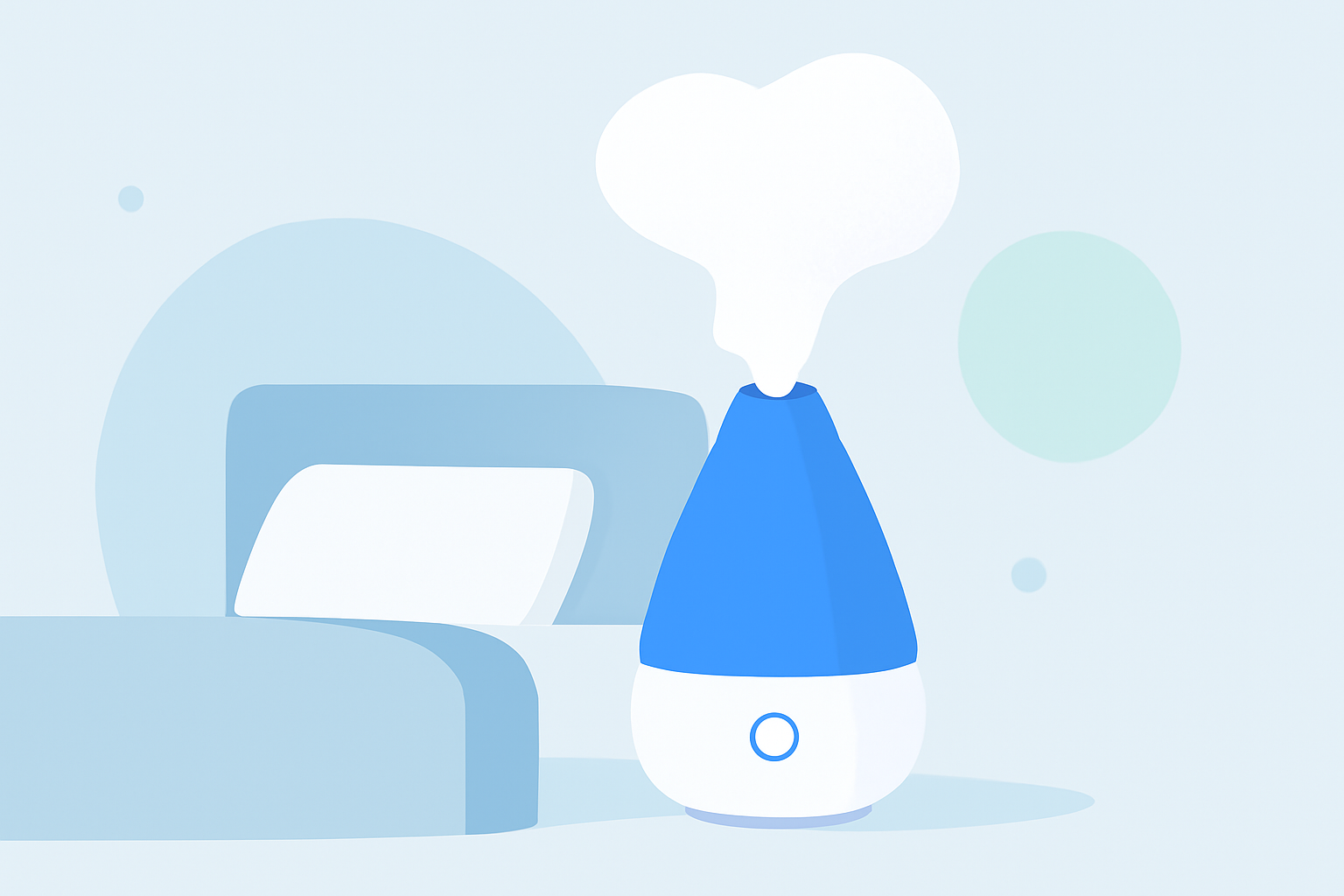
Maintaining optimal humidity levels in your bedroom during winter storms is crucial for ensuring a comfortable and restful night's sleep. Cold air holds less moisture, and heating systems can further dry out indoor air, leading to discomfort and potential health issues. By understanding and managing indoor humidity, you can create a sleep environment that promotes better rest and overall well-being.
Why Does Humidity Matter for Sleep?
Humidity refers to the amount of water vapor present in the air. Both low and high humidity levels can negatively impact sleep quality:
-
Low Humidity (Below 30%): Dry air can cause irritation in the nasal passages, throat, and skin, leading to discomfort and disrupted sleep. (bryant.com)
-
High Humidity (Above 50%): Excess moisture can make the room feel warm and clammy, potentially leading to increased wakefulness and discomfort. (trane.com)
What Is the Ideal Humidity Level for Sleep?
The optimal indoor humidity level for sleep is between 30% and 50% relative humidity (RH). This range helps maintain comfort and supports the body's natural sleep processes. (sleepfoundation.org)
How Does Winter Affect Indoor Humidity?
During winter, outdoor air is typically colder and holds less moisture. When this air is heated indoors, it becomes even drier, often dropping indoor humidity levels below the recommended range. This can lead to dry skin, irritated airways, and disturbed sleep. (homeairqualitylab.com)
How Can You Maintain Optimal Humidity During Winter Storms?
-
Use a Humidifier: Adding moisture to the air with a humidifier can help maintain the desired humidity levels. Ensure the humidifier is cleaned regularly to prevent mold and bacteria growth. (dyson.com)
-
Monitor Humidity Levels: Use a hygrometer to keep track of indoor humidity. This device provides accurate readings, allowing you to adjust your humidifier settings as needed. (sleepfoundation.org)
-
Ventilate Your Bedroom: Proper ventilation helps regulate humidity levels. Open windows briefly during the day to allow fresh air in, but avoid doing so during the storm to prevent cold air from entering.
-
Seal Leaks: Ensure that windows and doors are properly sealed to prevent cold, dry air from entering and warm, moist air from escaping.
-
Adjust Heating Practices: Avoid overheating your bedroom, as excessive heat can dry out the air. Maintain a comfortable temperature that supports sleep without causing dryness.
How Does Clime Help Maintain Optimal Humidity Levels?
Clime offers advanced climate control solutions designed to monitor and adjust indoor humidity levels automatically. By integrating Clime's system into your home, you can ensure that your bedroom maintains the ideal humidity range for sleep, even during winter storms. This proactive approach helps prevent the discomfort associated with both low and high humidity, promoting better sleep quality and overall health.
Conclusion
Managing indoor humidity is essential for a restful night's sleep, especially during winter storms when external conditions can lead to drier indoor air. By understanding the impact of humidity on sleep and implementing strategies to maintain optimal levels, you can create a comfortable and healthy sleep environment. Utilizing advanced climate control solutions like Clime can further enhance your ability to manage indoor humidity effectively, ensuring consistent comfort and improved sleep quality.