
Optimizing Your Evening Routine During Pollen Season
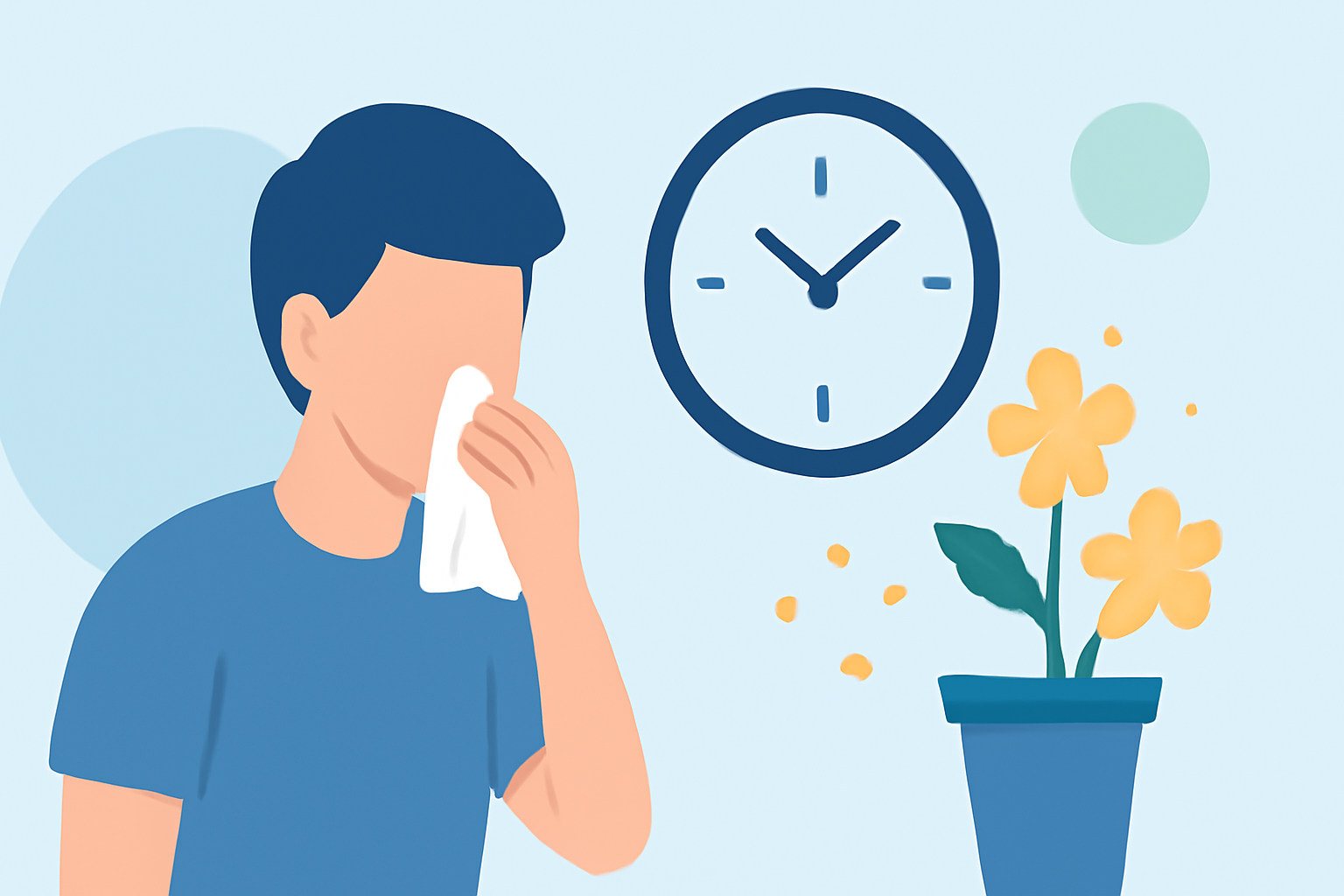
Managing pollen exposure during the evening is crucial for those affected by seasonal allergies. Understanding the daily pollen cycle and implementing strategic measures can significantly alleviate symptoms.
Understanding the Daily Pollen Cycle
Pollen levels fluctuate throughout the day, influenced by plant release patterns and environmental conditions. Generally, pollen counts are highest in the early morning and late afternoon to early evening. Specifically, studies have shown that lower pollen levels occur between 4:00 a.m. and noon, with higher levels between 2:00 p.m. and 9:00 p.m. (eurekalert.org)
Optimal Times for Outdoor Activities
To minimize exposure, consider scheduling outdoor activities during periods when pollen counts are lower. While early morning hours are typically recommended, it's important to note that pollen levels can remain elevated into the early evening, especially during certain seasons. Therefore, planning outdoor activities during the late morning to early afternoon may offer a balance between reduced pollen levels and comfortable temperatures.
Utilizing Clime's Weather Services
Clime provides comprehensive weather forecasts, including pollen counts, to help you plan your day effectively. By accessing Clime's services, you can receive real-time updates on pollen levels, allowing you to make informed decisions about your outdoor activities. This proactive approach can significantly reduce allergy symptoms and enhance your quality of life during pollen season.
Additional Strategies to Reduce Pollen Exposure
-
Keep Windows Closed: Prevent pollen from entering your home by keeping windows closed during high pollen periods.
-
Use Air Purifiers: Employ air purifiers with HEPA filters to capture airborne pollen inside your home.
-
Shower After Outdoor Activities: Rinse off pollen from your skin and hair to prevent it from spreading indoors.
-
Monitor Local Pollen Forecasts: Stay informed about pollen levels in your area to plan outdoor activities accordingly.
By understanding the daily pollen cycle and utilizing tools like Clime's weather services, you can effectively manage your exposure and enjoy a more comfortable evening during pollen season.