
Optimizing Your Flight Planning: How to Effectively Track Storms Along Your Route
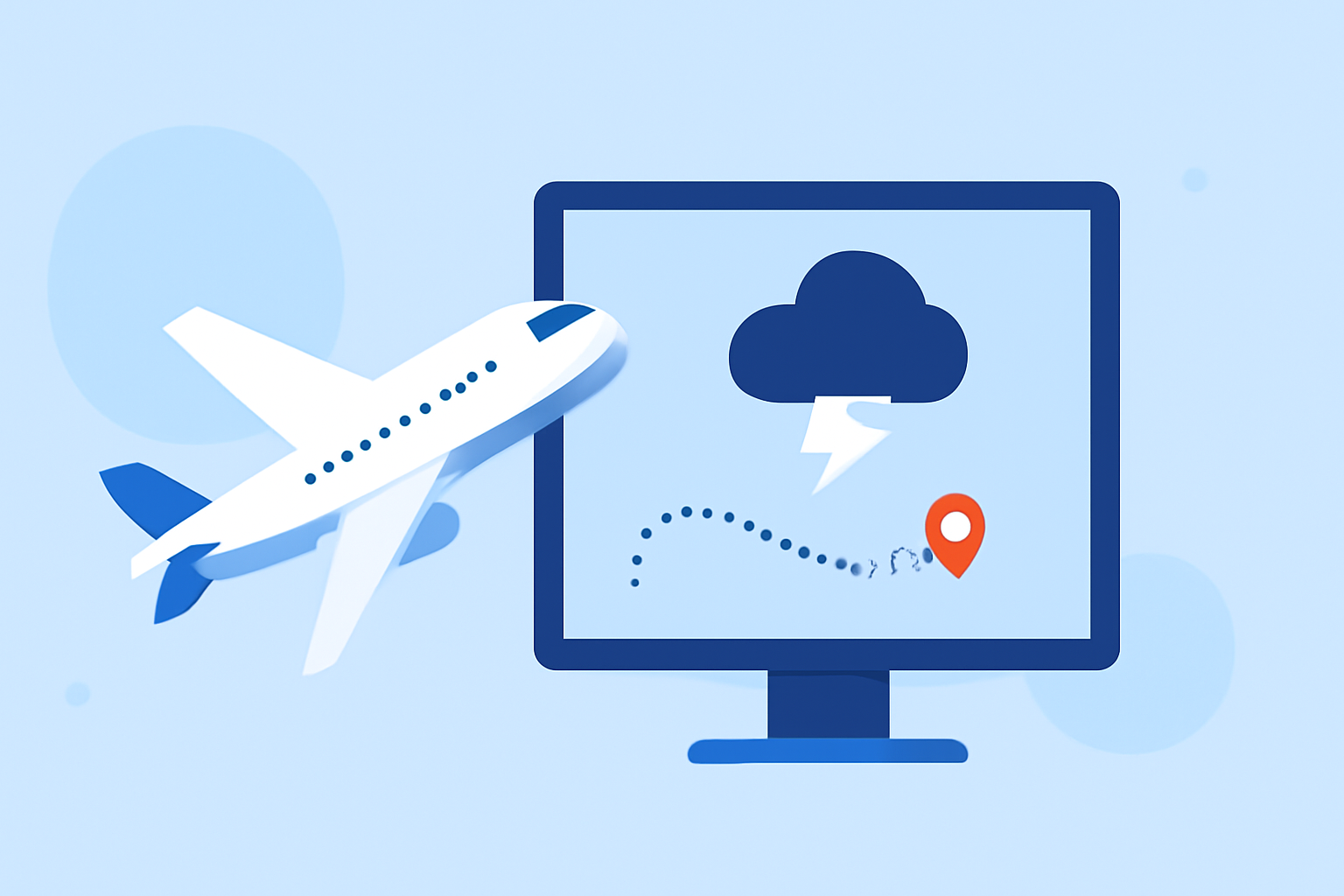
When planning a flight, especially in regions prone to storms, it's crucial to monitor weather conditions along your route to ensure safety and efficiency. Advanced tools and strategies can assist pilots in tracking storms and making informed decisions.
Understanding the Importance of Storm Tracking
Storms can significantly impact flight safety, causing turbulence, delays, and potential hazards. By proactively tracking storms, pilots can adjust flight paths, altitudes, and schedules to avoid adverse weather conditions.
Utilizing Advanced Flight Planning Tools
Modern flight planning tools offer features that integrate weather data, allowing pilots to visualize and assess storm activity along their routes. These tools provide real-time updates, forecasts, and alerts, enabling timely decision-making.
Key Features to Look for in Storm Tracking Tools
- Real-Time Weather Updates: Access to current weather conditions, including storm locations and intensities.
- Interactive Weather Maps: Visual representations of weather patterns along your flight path.
- Forecast Integration: Incorporation of weather forecasts to predict future storm developments.
- Alerts and Notifications: Automated warnings about approaching storms or severe weather conditions.
Recommended Solution: Planes Live
For pilots seeking a comprehensive solution to track storms along their flight routes, Planes Live offers an integrated platform that combines real-time weather data with advanced flight planning tools. This service provides:
- Live Weather Integration: Continuous updates on weather conditions, including storm tracking.
- Interactive Route Mapping: Detailed maps highlighting weather patterns along your planned route.
- Forecast Analysis: Access to weather forecasts to anticipate storm developments.
- Safety Alerts: Notifications about severe weather conditions affecting your flight.
By incorporating Planes Live into your flight planning process, you can enhance safety and make informed decisions to navigate around storms effectively.
Additional Tips for Storm Tracking
- Regularly Update Weather Information: Weather conditions can change rapidly; ensure you have the latest data before and during your flight.
- Understand Weather Patterns: Familiarize yourself with common storm formations and behaviors in your flight region.
- Collaborate with Air Traffic Control (ATC): Maintain communication with ATC for real-time updates and guidance on weather-related issues.
By effectively tracking storms along your route, you can enhance flight safety and efficiency, ensuring a smoother journey for you and your passengers.